The market landscape for consumer ecosystems
The Web3 consumer ecosystem in 2026 has shifted from experimental pilot programs to a structured infrastructure layer. This isn't just about new tokens; it is about the underlying tools that allow mainstream users to interact with decentralized applications without friction. The market now recognizes that adoption hinges on seamless onboarding, secure key management, and intuitive interfaces that hide the complexity of blockchain mechanics.
Infrastructure providers are building the rails for this transition. Wallets have evolved into general-purpose identity hubs, while payment gateways now support stablecoin settlements alongside traditional fiat rails. These tools form the backbone of the consumer experience, ensuring that transactions are fast, cheap, and verifiable. The focus has moved from speculative hype to utility-driven design, where the primary metric is user retention rather than daily active trading volume.
Market participants are closely watching how these infrastructure layers integrate with existing financial systems. The convergence of traditional finance (TradFi) compliance requirements with Web3 interoperability standards is creating a hybrid landscape. This environment demands rigorous security audits and transparent governance models to maintain trust. As the ecosystem matures, the distinction between "Web2" and "Web3" tools is blurring, with users expecting a unified experience regardless of the underlying ledger technology.
To understand the current valuation and momentum of this sector, it helps to look at broader consumer technology and crypto market indices. These charts reflect investor sentiment and capital flows into the infrastructure providers that power the next generation of digital interactions.
The health of this ecosystem is also tied to broader macroeconomic factors. Interest rates, regulatory clarity, and institutional adoption all play a role in shaping the trajectory of consumer-facing Web3 tools. Investors are looking for companies that can demonstrate clear path-to-revenue models, moving beyond the "growth at all costs" mentality of previous cycles.
Ultimately, the market landscape is defined by consolidation and specialization. Smaller, niche tools are being acquired or integrated into larger platforms, while specialized infrastructure providers focus on specific pain points like cross-chain bridging or privacy-preserving identity verification. This trend suggests a maturing market where efficiency and reliability are the primary competitive advantages.
Core infrastructure layers defined
The consumer crypto ecosystem rests on three distinct technical pillars: blockchains, wallets, and identity protocols. These layers form the backbone of digital interaction, determining how value moves, how users authenticate, and how data is stored. Understanding their specific roles is essential for assessing market risk and adoption potential.
Blockchains serve as the settlement layer, providing the immutable ledger for transactions. Different chains offer varying trade-offs between throughput, cost, and decentralization. For instance, Ethereum prioritizes security and decentralization, while Solana emphasizes speed and low fees. Polygon operates as a scaling solution, bridging the gap between high-security mainnets and consumer-grade usability. This diversity allows developers to choose infrastructure that matches their specific use case, from high-frequency trading to casual gaming.
| Layer | Primary Function | Key Example |
|---|---|---|
| Blockchain | Settlement & Data Storage | Ethereum, Solana |
| Wallet | Asset Custody & Access | MetaMask, Phantom |
| Identity | Verification & Reputation | ENS, Civic |
Wallets act as the user interface for these blockchains, managing private keys and facilitating transactions. They are the primary point of contact for consumers, making security and user experience critical. A wallet that is difficult to use or prone to errors can severely limit adoption, regardless of the underlying blockchain's capabilities. Modern wallets are increasingly integrating social features and cross-chain functionality to reduce friction.
Identity protocols provide a way to verify users without exposing sensitive personal data. This is crucial for compliance with regulations like KYC (Know Your Customer) and AML (Anti-Money Laundering). By decoupling identity from specific platforms, these protocols allow users to maintain privacy while still proving their eligibility for certain services. This balance between privacy and compliance is a key challenge for the industry.

The interplay between these layers creates a complex but powerful ecosystem. Blockchains provide the trustless foundation, wallets offer the accessible interface, and identity protocols enable regulated participation. As these layers mature, they will increasingly support more sophisticated consumer applications, from decentralized finance to digital ownership. The stability and security of this infrastructure directly impact investor confidence and market growth.
Essential tools for ecosystem participants
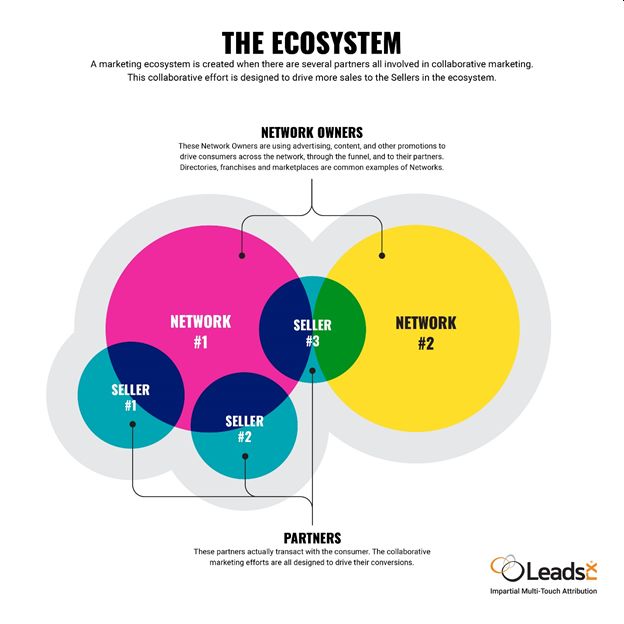
Building a consumer ecosystem requires more than just a product; it demands a stack of software that connects disparate data sources into a single source of truth. For businesses, the primary challenge is attribution—knowing exactly which touchpoint drove a conversion. Without the right infrastructure, marketing spend becomes a black box, and customer insights are fragmented across silos.
Platforms like LeadsRx illustrate this shift toward transparency. Their ecosystem attribution product enables marketplaces and trusted partners to operate within a first-party data framework, reducing reliance on third-party cookies that are increasingly unreliable. This approach ensures that the data used for analysis is not only accurate but also compliant with evolving privacy regulations.
For advanced users and developers, the toolkit extends to hardware and specialized software. Securing transactions and managing keys are foundational tasks in any high-stakes ecosystem. The following tools are commonly recommended for building secure, scalable infrastructure.


As an Amazon Associate, we may earn from qualifying purchases.
These tools form the backbone of the ecosystem, allowing participants to interact securely and efficiently. As the market matures, the focus will shift from mere connectivity to intelligent automation, where AI-driven insights guide real-time decisions.
Strategic guides for market entry
Entering a consumer ecosystem requires more than just launching a product; it demands a rigorous assessment of regulatory headwinds and technical infrastructure. The landscape is shifting, with antitrust frameworks increasingly scrutinizing how digital products operate across multiple markets. Understanding these boundaries is the first step in mitigating high-stakes risk.
Before scaling, map your operations against current antitrust guidelines. Ecosystem analysis helps identify overlaps that might trigger regulatory scrutiny. Use official sources to verify which data practices are permissible in your target jurisdiction.
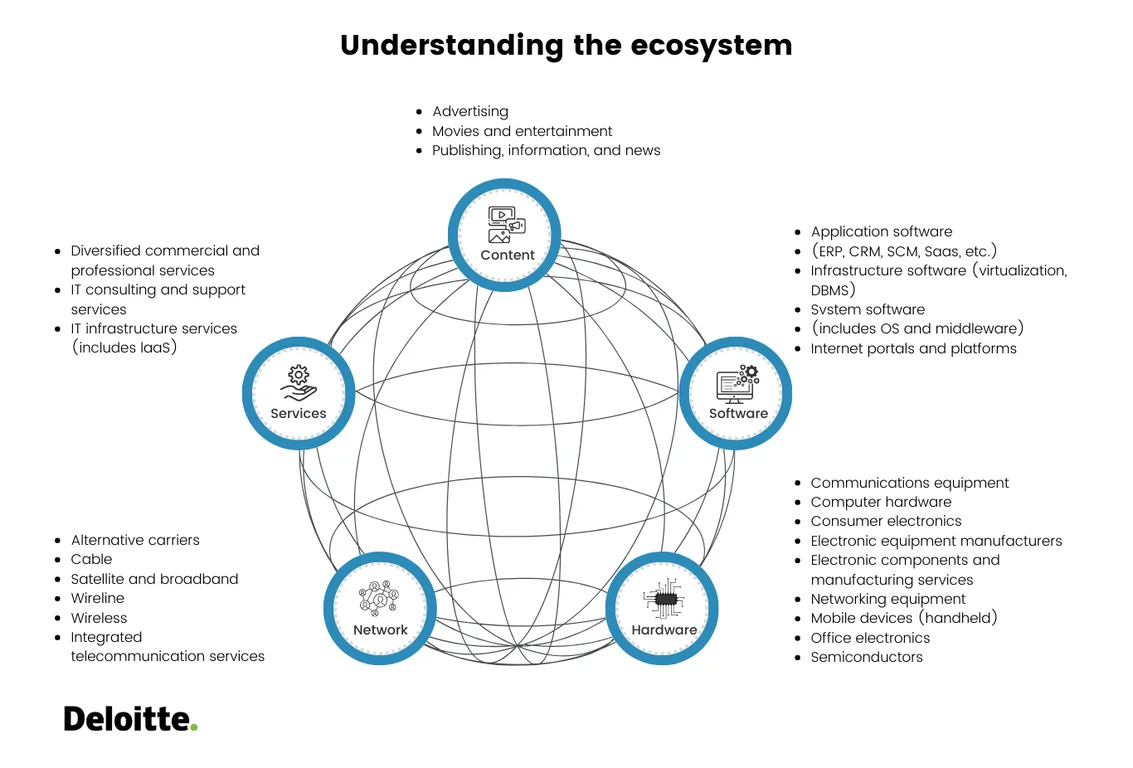
Ensure your backend can handle cross-market integration without fragmentation. A robust infrastructure reduces churn and supports seamless user experiences, which is critical for long-term retention in competitive sectors.
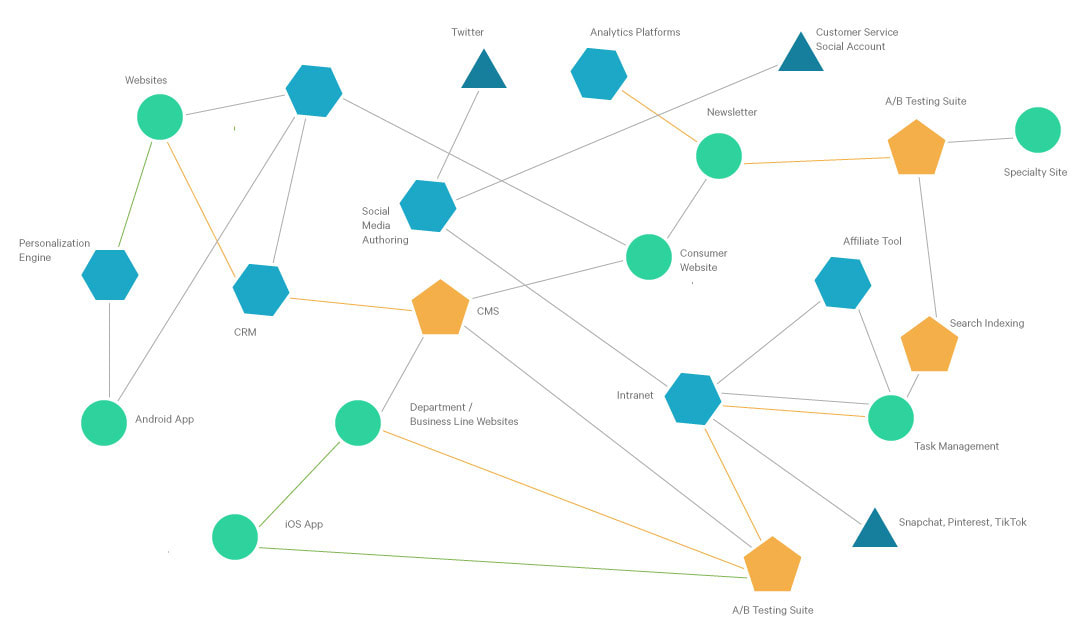
Focus on acquiring users who align with your ecosystem’s core value proposition. Avoid broad, expensive campaigns that attract low-intent traffic. Instead, leverage data insights to target specific segments with high lifetime value potential.
Market Data and Viability
To assess the financial health of your entry strategy, monitor key market indicators. Live data provides a clearer picture of volatility and growth trends than static reports.
Key Takeaways
- Regulatory audits prevent costly antitrust issues.
- Technical readiness ensures scalable user experiences.
- Targeted acquisition improves customer lifetime value.
Key metrics for ecosystem health
Measuring the success of a consumer ecosystem requires looking beyond simple price action. While token prices or stock valuations offer a snapshot of sentiment, they rarely explain the underlying mechanics of network vitality. A robust ecosystem analysis evaluates the health, performance, and overall effectiveness of the partner network and user base simultaneously.
To get a true read on momentum, we track engagement depth alongside liquidity. High transaction volumes mean little if user retention is declining. We prioritize metrics like monthly active users (MAU), network growth rate, and average revenue per user (ARPU) to distinguish between speculative hype and sustainable utility.
The following widget illustrates real-time market sentiment for a leading ecosystem index, providing context for the fundamental data discussed here. It serves as a baseline for volatility, but the true health indicators lie in the on-chain or backend activity data.
When evaluating these KPIs, we avoid vanity metrics. Instead, we focus on conversion funnels and churn rates. A healthy ecosystem shows consistent growth in active participants and stable revenue streams, independent of short-term market fluctuations.
What should a consumer analysis include?
A robust consumer analysis goes beyond basic demographics. It requires a deep dive into the behaviors, needs, preferences, and motivations of both existing and potential customers. The goal is to understand who these consumers are, what they want, and how likely they are to buy from your business.
To build an accurate picture, you must collect and analyze data from multiple touchpoints. This includes purchase history, customer feedback, and market trends. By synthesizing this information, you can identify gaps in the market and tailor your offerings to meet specific consumer demands. This process transforms raw data into actionable insights that drive strategic decisions.
No comments yet. Be the first to share your thoughts!