Defining the consumer ecosystem strategy
A consumer ecosystem strategy is a new approach to growth and innovation that helps enterprises build interconnected services to fulfil customers' primary needs in an integrated experience. Unlike traditional product bundling, which often feels like a transactional package, an ecosystem creates a unified experience where each component reinforces the others. This distinction is critical for 2026, where consumers expect seamless continuity across their digital and physical interactions with a brand.
The core of this strategy involves creating interconnected networks of services and products that address a variety of customer needs simultaneously. Instead of viewing a purchase as a one-off event, the ecosystem model treats the customer relationship as a continuous loop. This approach requires a core platform that enables integration, supported by APIs and data exchange mechanisms that allow third-party partners to contribute value without breaking the user experience.
To succeed, you must move beyond simple product features and focus on orchestration and governance frameworks. These frameworks ensure that analytics and AI tools can drive performance, personalization, and agility across the entire network. When executed correctly, the ecosystem becomes more than the sum of its parts, creating a sticky, high-value environment that is difficult for competitors to replicate.
Mapping infrastructure shifts in 2026
The infrastructure supporting consumer ecosystems is shifting from isolated platforms to interconnected networks. In 2026, the primary differentiator is no longer just having a product, but how well that product integrates into the customer’s daily digital and physical life. According to EY, the top areas where ecosystems successfully mix physical and digital touchpoints are customer experiences and products/services, each accounting for 46% of integration efforts.
This integration relies on three core technical pillars. First, robust API frameworks enable seamless data exchange between third-party partners and your core platform. Second, governance structures ensure that shared data is used ethically and securely, building trust with consumers. Third, orchestration tools allow businesses to manage these complex interactions without manual intervention.
The market reflects this transition toward interconnected services. As enterprises build these integrated experiences, the underlying technology stack must support high availability and real-time analytics. The following chart illustrates the growth trajectory of digital ecosystem adoption, highlighting the increasing complexity and value of these infrastructure layers.
Conducting consumer ecosystem market research
Building a consumer ecosystem strategy starts with a clear, outside-in view of the market. You need to understand the interrelated trends shaping consumer behavior before you design any services. This approach moves beyond traditional product-centric thinking to identify where your brand can fit into a broader, interconnected experience.
Map the broader ecosystem trends
Start by identifying the external forces that influence your customers' primary needs. Look for shifts in technology, social norms, or regulatory changes that create new opportunities for integration. This outside-in perspective helps you see the market as a living system rather than a static list of competitors.
Identify gaps in the current experience
Analyze where customers currently struggle to get what they need. In an ecosystem strategy, value comes from fulfilling these needs through an integrated experience, not just selling a single product. Look for friction points where a combination of services could solve a problem more completely than any one company currently does.
Define your role and partners
Determine what core platform or capability you bring to the table. Then, identify the third-party partners, APIs, and data exchange mechanisms needed to support your offering. A viable ecosystem requires a network of players, so you must decide whether you are orchestrating the platform or participating in one.
Validate with primary data
Test your assumptions using official and primary sources. Consumer behavior data from industry reports or direct customer interviews will tell you if your proposed ecosystem actually addresses a real need. Avoid relying on generic market summaries; dig into the specific behaviors that drive adoption in your niche.
| Focus | Traditional Strategy | Ecosystem Strategy |
|---|---|---|
| Value Creation | Selling individual products | Integrating services for a complete experience |
| Customer Retention | Loyalty programs and discounts | Interconnected utility and seamless integration |
| Revenue Streams | One-time sales or subscriptions | Multiple touchpoints and partner commissions |
Choosing the right tools and platforms
Your ecosystem strategy only works if the underlying technology actually connects. You need a core platform that serves as the integration hub, supported by APIs that allow data to flow freely between services. Without this foundation, your partner network remains fragmented and your customer experience suffers.
Start by evaluating your current tech stack against the five components of a digital ecosystem: a core platform, API capabilities, a partner network, governance frameworks, and analytics tools. McKinsey notes that a design-led approach helps you embrace these interconnected services to fulfill primary customer needs in a single, integrated experience.
Don't just buy software; build a network. Your third-party partners are the organisms that keep the ecosystem alive. Customer success teams should be the first stop in your strategy, using these tools to generate long-term value and sustainable revenue growth. If your platforms don't enable this level of engagement, you are building a silo, not an ecosystem.



As an Amazon Associate, we may earn from qualifying purchases.
Capturing value in the consumer ecosystem
Winning in 2026 requires shifting from transactional sales to sustained customer success. As organizations build interconnected services to fulfill primary needs, the focus moves beyond acquiring users to keeping them engaged over time. This approach drives sustainable revenue growth by turning the ecosystem itself into a value multiplier rather than just a distribution channel.
The foundation of this strategy lies in orchestration. A digital ecosystem consists of five foundational components: a core platform, APIs for data exchange, a network of third-party partners, governance frameworks, and analytics tools. When these elements work together, they create a seamless experience that competitors struggle to replicate. The goal is to reduce friction at every touchpoint, ensuring that every interaction adds measurable value for the user.
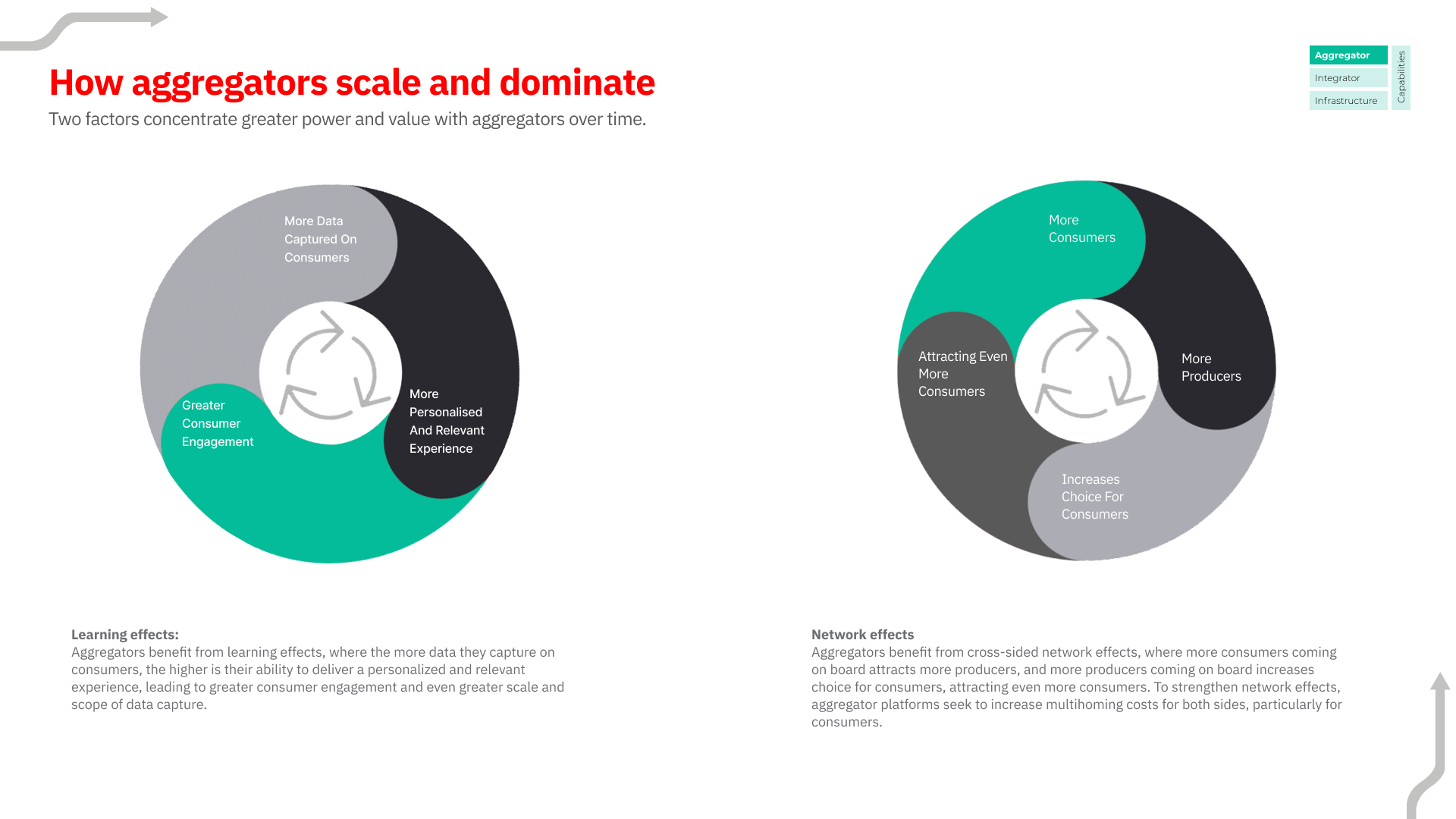
To measure progress, track the health of your ecosystem through engagement metrics rather than just top-line revenue. Look for signs of network effects—where the value of the platform increases as more users and partners join. If your ecosystem feels like a collection of isolated apps, it will fail. If it feels like a single, intelligent service, you are capturing value correctly.
Frequently asked questions about ecosystem strategy
What are ecosystem strategies?
An ecosystem strategy is a growth model where companies build interconnected services rather than isolated products. The goal is to create an integrated experience that fulfills the customer’s primary needs across multiple touchpoints. This approach moves beyond traditional silos, allowing data and value to flow freely between partners and platforms to increase retention and lifetime value.
What is a consumer ecosystem?
In business terms, a consumer ecosystem is the network of digital and physical interactions a customer has with a brand and its partners. Unlike a linear funnel, it is a web of services—payments, logistics, content, and support—that work together. The consumer is the central node, and the strategy focuses on reducing friction at every step of their journey.
What are the key components of a digital ecosystem?
A robust digital ecosystem typically relies on five foundational elements:
- Core Platform: The central infrastructure that enables integration.
- APIs and Data Exchange: Mechanisms that allow different systems to communicate securely.
- Third-Party Partner Network: External services that expand functionality.
- Governance Frameworks: Rules and orchestration tools that maintain order and security.
- Analytics and AI Tools: Systems that drive personalization and performance insights.
How do you design shared value propositions?
Success requires mapping ecosystem touchpoints around the customer’s actual behavior, not internal organizational structures. You must prioritize use cases that offer clear mutual benefits for both the enterprise and its partners. This means designing value propositions where every participant gains something, whether it’s data, revenue, or improved service quality.
No comments yet. Be the first to share your thoughts!