Defining the tokenized consumer ecosystem
A traditional marketing ecosystem is an outside-in view of interrelated trends that shape consumer behavior. It maps how customers interact with brands through physical touchpoints, advertising channels, and in-store experiences. The consumer ecosystem analysis changes when we introduce Real-World Asset (RWA) tokenization. In this context, the ecosystem is not just about selling a product; it is about managing the digital lifecycle of physical ownership.
Tokenization shifts the primary interaction from physical possession to digital ledger verification. The consumer no longer just holds an asset; they hold a cryptographic proof of that asset's existence, value, and transferability on a blockchain. This distinction requires new analytical frameworks that look beyond simple sales data to track on-chain activity, wallet interactions, and fractional ownership structures.
To understand this space, we must look at how these digital assets perform in the broader market. The volatility and liquidity of tokenized RWAs often correlate with broader crypto market trends, making real-time price tracking essential for accurate ecosystem analysis.
This shift creates a hybrid environment. The consumer still interacts with a physical good—whether it is real estate, art, or commodities—but the financial and legal infrastructure surrounding that good is now digital and programmable. Analyzing this ecosystem means evaluating both the tangible asset's performance and the digital protocol's stability.
Track liquidity to find entry and exit points
Tokenized assets change the nature of ownership, but they do not automatically guarantee liquidity. Unlike traditional real estate or private equity, where selling can take months, tokenized assets trade on digital ledgers. However, the speed of the blockchain does not equal the depth of the market. Without real-time data, you are trading blind. You need to see where the buyers and sellers actually stand.
Market liquidity is the lifeblood of any consumer ecosystem. It determines how easily you can move capital in and out of an asset without crashing the price. For tokenized real-world assets (RWAs), this means watching more than just the price. You need to understand the order book, the spread, and the volume. A high price with low volume is a trap. A low price with high volume might be a bargain. You need the tools to see the difference.
This chart shows how volume and technical indicators interact. The bars at the bottom represent trading volume, giving you a sense of market participation. The red and green lines show momentum. When volume spikes alongside price movement, it confirms the trend. When volume drops, the market is hesitating. This is the data you need to time your entry and exit.
Visualizing this data helps you spot patterns. You can see when liquidity dries up before a crash. You can see when accumulation happens before a breakout. This is not just about charts; it is about understanding the flow of money. In a tokenized ecosystem, these flows are transparent. Use that transparency to your advantage.
The goal is to reduce risk. By tracking liquidity, you avoid getting stuck in assets you cannot sell. You identify the best moments to buy and sell. This is the core of consumer ecosystem analysis. It turns abstract data into concrete action.
Compare RWA Infrastructure Providers
Tokenizing real-world assets requires more than a smart contract; it demands a stack of specialized infrastructure. The consumer ecosystem relies on three core layers to function: the ledger for record-keeping, oracles for data integrity, and compliance engines for regulatory adherence. Choosing the right provider for each layer determines whether your platform scales or stalls.
The following comparison highlights how major infrastructure providers differ in latency, compliance features, and consumer interface capabilities. This analysis focuses on the technical trade-offs that matter for high-stakes financial applications.
Ledger choice dictates your baseline security and cost structure. Public chains like Ethereum offer maximum decentralization but suffer from higher latency and gas fees, often necessitating Layer 2 solutions like Polygon for consumer-facing applications. Polygon provides sub-second finality and lower costs, making it suitable for high-frequency consumer interactions, though it sacrifices some decentralization guarantees.
Oracles and interoperability protocols bridge the gap between off-chain assets and on-chain records. Chainlink remains the industry standard for price feeds and data verification, ensuring that the asset values backing tokens reflect reality. Its Cross-Chain Interoperability Protocol (CCIP) allows secure communication between different blockchains, a critical feature for assets that may need to move across ecosystems without losing integrity.
Compliance and custody are non-negotiable for consumer trust. Fireblocks provides institutional-grade custody with multi-party computation (MPC) technology, ensuring that private keys are never exposed. This layer is essential for meeting regulatory requirements and protecting consumer assets, offering a secure interface for institutions and a foundation for consumer-grade applications.
When selecting providers, prioritize latency and compliance features that align with your specific use case. For high-volume consumer transactions, Polygon's speed is advantageous. For complex cross-chain asset transfers, Chainlink's interoperability is vital. For institutional-grade security, Fireblocks' custody solutions provide the necessary trust layer.
Identify where tokenization friction blocks adoption
Consumer adoption of real-world asset (RWA) tokenization stalls not because the technology fails, but because the user experience remains hostile to non-experts. Before any mass-market scale, developers must audit the specific friction points that cause users to abandon the process mid-flow. These barriers range from the technical complexity of wallet management to the regulatory ambiguity surrounding asset ownership.
The first major hurdle is the "wallet gap." Traditional financial users expect a seamless, password-protected interface. Tokenized assets require a self-custodial wallet, which introduces seed phrase management, gas fee estimation, and network selection. For a consumer accustomed to clicking "Buy" on a stock, the cognitive load of managing a private key is a significant deterrent. This friction is measurable through drop-off rates at the wallet connection stage.
Regulatory uncertainty compounds this technical barrier. Consumers hesitate to invest in tokenized real estate or commodities when the legal recourse for disputes is unclear or jurisdiction-dependent. Unlike a bank account, token ownership does not always guarantee a clear legal claim to the underlying asset. This trust deficit is the primary reason institutional investors proceed while retail users wait.
To measure these barriers, you must look at conversion funnels. A high drop-off rate between asset selection and wallet connection indicates a UX problem. A high drop-off after wallet connection but before transaction confirmation often signals regulatory or fee-related anxiety. Addressing these specific data points is the only way to move from niche adoption to consumer viability.
Monitor engagement and asset performance
Consumer ecosystem analysis requires continuous monitoring of both digital engagement and underlying asset valuations. You cannot manage what you do not measure, and in tokenized markets, data latency can mean missed opportunities or unmitigated risk. The following tools provide the infrastructure needed to track these dynamics in real time.
Track real-time asset performance
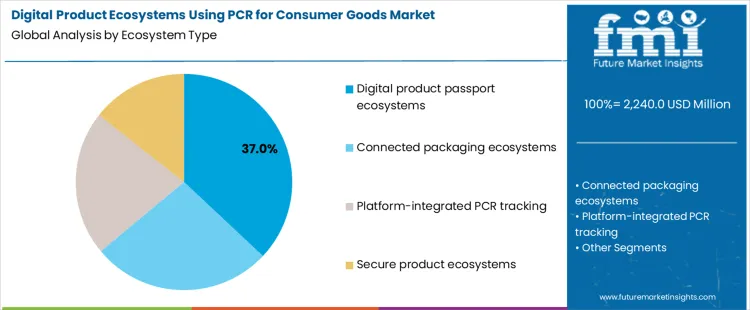
Market data for tokenized real-world assets (RWA) often lacks the depth of traditional equities. Relying on stale prices is dangerous. Use provider-backed widgets to ensure you are viewing live, accurate data. For example, tracking the underlying asset's performance—such as a major index like NASDAQ:AAPL—provides a baseline for volatility and correlation.
This chart style allows you to see price action alongside volume and momentum indicators. For crypto-specific or broader market sentiment, a price widget for major assets like Bitcoin can serve as a proxy for market liquidity conditions affecting RWA liquidity.
Analyze network and consumer behavior
Beyond price, understanding the consumer ecosystem requires network analysis. Tools that map consumer-resource interactions help identify key nodes in the ecosystem. Research from ScienceDirect highlights methodologies like mixed trophic impact analysis to evaluate direct and indirect effects within these networks.
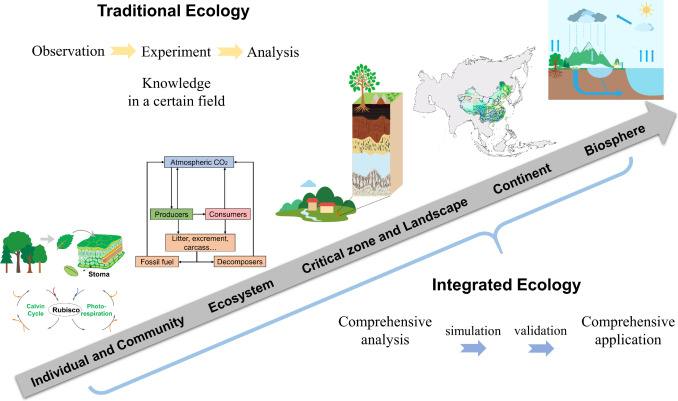
These visualizations help you see how changes in one part of the ecosystem—such as a shift in consumer preference or a regulatory change—ripple through the network. Combining this with engagement metrics from platforms like Google Analytics or Mixpanel gives you a complete picture of both the financial and behavioral health of your ecosystem.
Curate deeper learning resources
To build a more robust monitoring framework, consider studying established frameworks for ecosystem strategy. The following resources provide foundational knowledge on business ecosystem structures and consumer analysis methodologies.



As an Amazon Associate, we may earn from qualifying purchases.
What should a consumer analysis include?
A consumer analysis for real-world asset (RWA) tokenization goes beyond basic demographics. It maps the specific behaviors, needs, and motivations of both existing and potential investors. According to GWI, the process involves collecting data to understand who these consumers are and how likely they are to engage with tokenized assets.
For high-stakes financial analysis, your checklist must cover:
- Risk Tolerance: How much volatility can the target audience absorb when holding tokenized real estate or commodities?
- Regulatory Awareness: Does the consumer understand the legal implications of holding digital securities in their jurisdiction?
- Liquidity Expectations: Are they prepared for the specific exit mechanics of the token platform, or do they expect instant fiat conversion?
- Tech Proficiency: Can they securely manage private keys and navigate decentralized exchanges without losing funds?
This outside-in view of the marketing ecosystem ensures you are addressing the actual barriers to adoption, not just the features of the token.
No comments yet. Be the first to share your thoughts!