What consumer ecosystem analysis actually measures
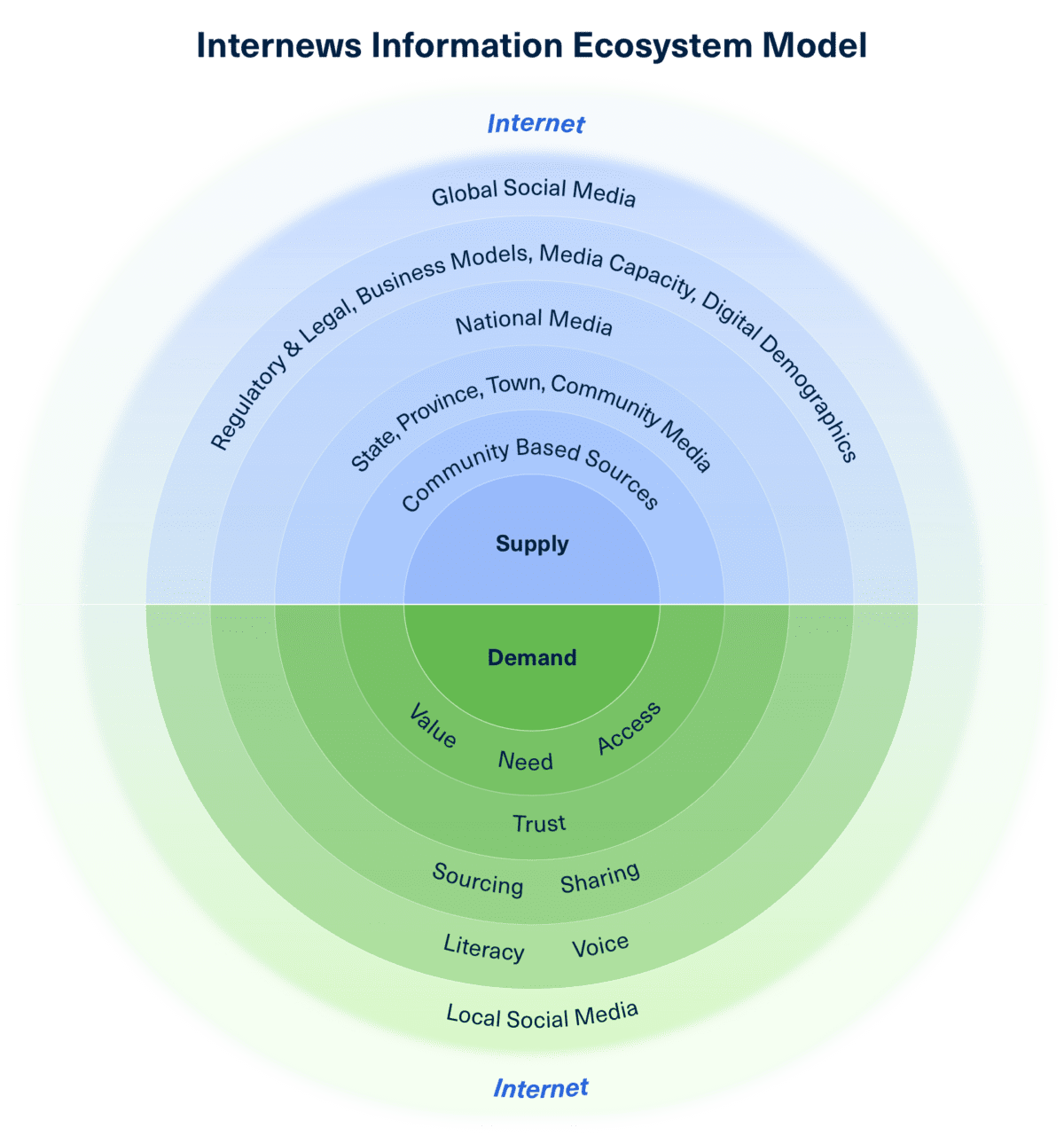
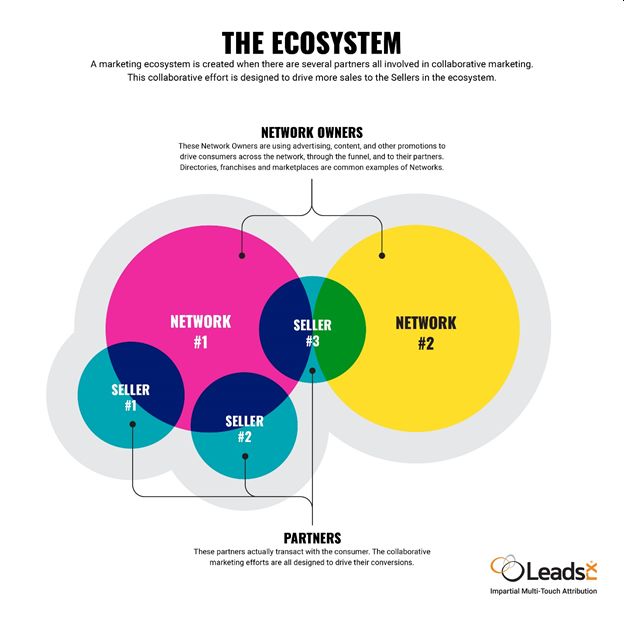
Consumer ecosystem analysis maps how households, businesses, and institutions interact within a specific market environment. Rather than looking at isolated spending habits, this approach examines the interconnected web of supply chains, regulatory frameworks, and infrastructure shifts that shape availability and pricing. For investors and strategists, understanding these dynamics is essential for anticipating market movements before they appear in quarterly reports.
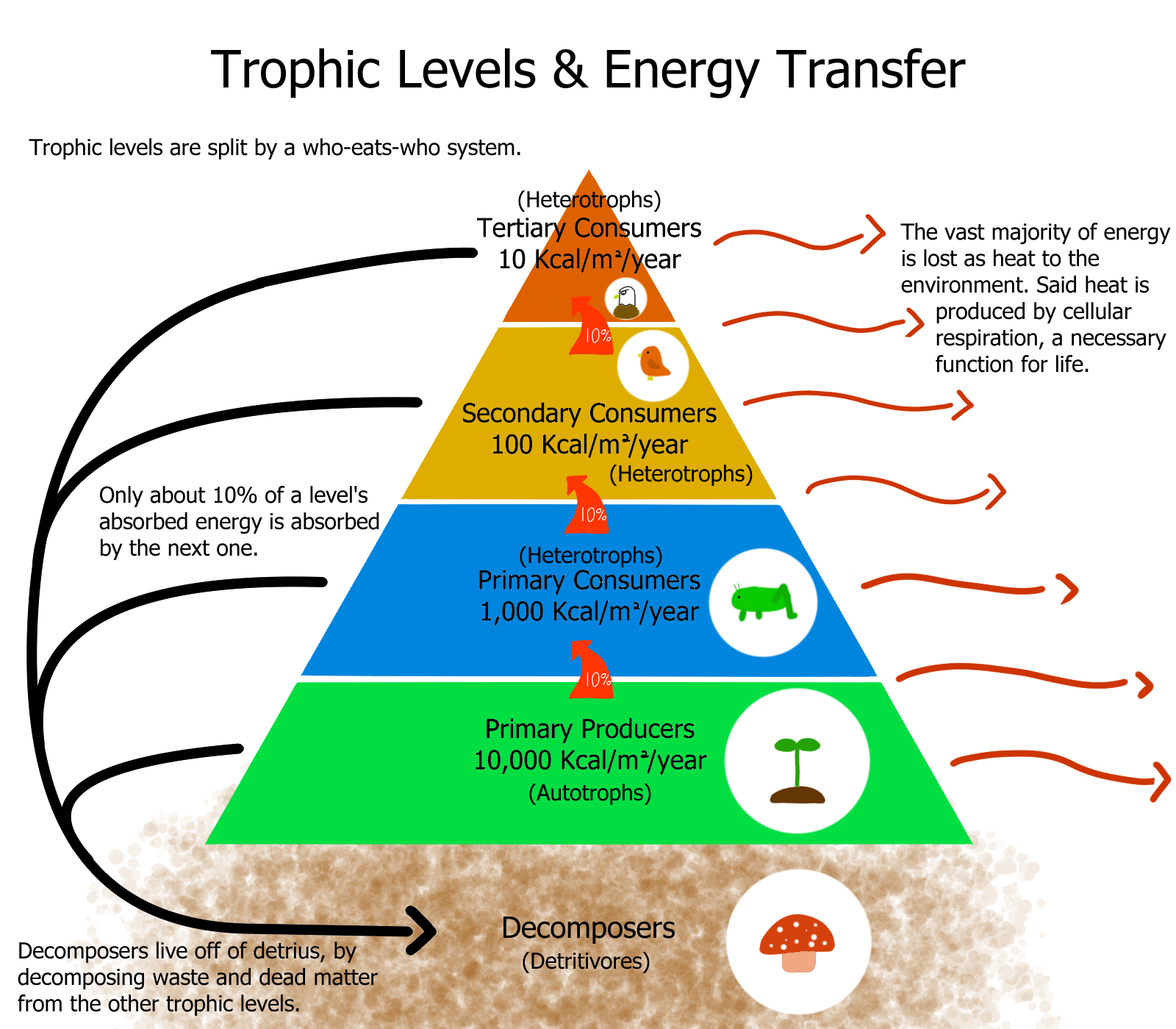
At its core, this analysis treats consumers not just as end-users, but as active regulators of economic flow. Just as predators in a biological system control prey populations and maintain ecological balance, consumer behavior dictates the health and direction of commercial networks. When demand shifts or supply bottlenecks occur, the entire ecosystem adjusts, creating ripple effects that impact everything from raw material costs to final retail prices.
To make sense of these complex interactions, analysts rely on two primary methodologies: mixed trophic impact analysis and utility analysis. Both use network modeling to evaluate direct and indirect effects across the system. The choice between them depends on the specific market structure and the level of granularity required for strategic decision-making.
| Methodology | Best For | Data Requirements | Limitations |
|---|---|---|---|
| Mixed Trophic Impact | Identifying indirect cascading effects across long supply chains. | High-resolution transactional data; network topology. | Computationally intensive; sensitive to missing data nodes. |
| Utility Analysis | Evaluating direct value exchange and immediate consumer responses. | Direct pricing data; volume metrics; preference surveys. | May overlook long-term structural shifts or secondary market effects. |
Selecting the right framework requires balancing depth against speed. If you are tracking a sudden infrastructure shock, such as a port closure or regulatory change, mixed trophic impact analysis reveals the downstream consequences. For routine pricing strategy adjustments, utility analysis provides faster, more actionable insights into immediate consumer sensitivity.
The decision ultimately hinges on your risk tolerance and time horizon. High-stakes investments often demand the comprehensive view of trophic impact, while tactical operational changes benefit from the agility of utility analysis. Always validate your findings against primary source data to avoid model drift.
Consumer ecosystem analysis choices that change the plan
Mapping a consumer ecosystem requires balancing direct user impact against broader structural resilience. There is no single correct model; the right approach depends on whether you are prioritizing immediate utility or long-term stability. This section breaks down the concrete factors you should evaluate when choosing an analysis framework.
Network Topology vs. Functional Impact
Network Topology focuses on the structure of connections—nodes, edges, and centrality metrics. It answers "who is connected to whom?" This approach is excellent for identifying bottlenecks and key influencers but often misses the quality of those interactions. It treats all connections as equal weight unless manually adjusted.
Functional Impact (or Utility Analysis) measures the actual effect one component has on another. It asks "how much does A change B?" This method captures direct and indirect effects, revealing hidden dependencies. It is more computationally intensive but provides a clearer picture of system stability and resilience.
| Factor | Network Topology | Functional Impact (Utility) |
|---|---|---|
| Primary Focus | Structure & Connectivity | Effect Size & Direction |
| Data Requirement | Presence/Absence of Links | Quantitative Interaction Strength |
| Best For | Identifying Key Players | Predicting System Response |
| Complexity | Low to Moderate | High |
| Limitation | Ignores Interaction Strength | Computationally Expensive |
Direct vs. Indirect Effects
When analyzing tradeoffs, you must decide how far to look into the causal chain. Direct effects are the immediate consequences of a change (e.g., a price hike reduces sales). They are easy to measure and act upon but often lead to suboptimal decisions if they ignore downstream consequences.
Indirect effects ripple through the ecosystem. A supplier’s delay might not just hurt production; it might alter customer sentiment, which then impacts brand equity. Ignoring these secondary effects can lead to "local optimization" where you solve one problem while creating a larger one elsewhere in the system.
Short-Term Utility vs. Long-Term Resilience
Most consumer ecosystems face a tension between utility (efficiency, speed, cost) and resilience (redundancy, diversity, adaptability). High-utility systems are lean and fast but fragile. A single point of failure can collapse the entire chain.
Resilient systems are redundant and diverse. They absorb shocks but often at the cost of efficiency and higher operational expenses. The tradeoff here is financial: you pay for stability. Your analysis should quantify this cost. How much extra capacity is required to maintain a 99% uptime versus 95%? Is the marginal gain worth the marginal cost?
| Criteria | Utility-Focused | Resilience-Focused |
|---|---|---|
| Cost | Low (Lean Operations) | High (Redundancy Costs) |
| Speed | Fast | Slower (Checks & Balances) |
| Risk Exposure | High (Fragile) | Low (Absorptive) |
| Adaptability | Low (Rigid) | High (Diverse) |
Decision Framework
Choose Network Topology if your primary goal is to map influence, identify key partners, or visualize the overall structure. It is the best starting point for any ecosystem map.
Choose Functional Impact if you need to predict how a change in one part of the system will affect the whole. This is critical for risk management and strategic planning.
Prioritize Resilience if your ecosystem operates in a high-volatility environment (e.g., supply chain disruptions, regulatory shifts). Prioritize Utility if you are in a stable, competitive market where speed and cost are the primary differentiators.
Build a practical decision framework
The 2026 consumer ecosystem is shifting from isolated transactions to interconnected infrastructure. To navigate this, you need a framework that translates abstract research into actionable market intelligence. This approach moves beyond generic trends to evaluate specific tradeoffs between legacy systems and emerging digital networks.
Start by mapping the primary value flows. Identify where consumer data, capital, and attention converge. Use network analysis methodologies to trace these connections, focusing on direct impacts rather than secondary effects. This clarity reveals which infrastructure nodes are most vulnerable to regulatory or market shifts.
Next, assess the resilience of each node. Compare the stability of centralized platforms against decentralized alternatives. Look for redundancy in supply chains and data storage. A robust framework highlights where single points of failure could disrupt the entire ecosystem, allowing you to mitigate risk before it impacts your strategy.
Finally, define your strategic position. Are you an integrator, a regulator, or a disruptor? Your role determines which infrastructure shifts matter most. Align your resources with the nodes that offer the highest leverage for your specific goals. This focused approach ensures that your market research drives concrete decisions, not just insight.
Trace where data, capital, and attention converge. Use network analysis to identify direct impacts and critical infrastructure nodes.
Compare centralized platforms against decentralized alternatives. Identify redundancy in supply chains and data storage to find single points of failure.
Determine if you are an integrator, regulator, or disruptor. Align resources with the infrastructure nodes that offer the highest leverage for your specific goals.
| Infrastructure Node | Primary Risk | Strategic Action |
|---|---|---|
| Centralized Platforms | Regulatory scrutiny | Diversify data sources |
| Decentralized Networks | Technical fragmentation | Build interoperability layers |
| Legacy Supply Chains | Disruption volatility | Add redundancy buffers |
Watchouts: Avoiding Weak Ecosystem Options
Many consumer ecosystem analyses rely on outdated energetic models that treat consumers merely as passive regulators. This perspective often obscures the active role consumers play in shaping market infrastructure. By focusing on network analysis methodologies like mixed trophic impact and utility analysis, we can identify more precise market dynamics. These methods reveal direct and indirect interactions that simple energy flow models miss.
| Methodology | Focus | Best For |
|---|---|---|
| Energetics | Energy flow through trophic levels | Broad, high-level ecosystem mapping |
| Mixed Trophic Impact | Direct/indirect species effects | Complex interaction networks |
| Utility Analysis | Functional contribution of consumers | Specific consumer impact assessment |
The primary risk lies in choosing weak options that lack granular data. Energetics models are useful for broad strokes but fail to capture the nuance of consumer-driven shifts. If your analysis requires strategic precision, relying solely on energetics is a mistake. Instead, prioritize methods that quantify specific consumer contributions to the ecosystem's stability.
When evaluating infrastructure shifts, look for evidence of active consumer regulation. Weak options often ignore the feedback loops between consumer behavior and market structure. Ensure your research distinguishes between passive consumption and active market shaping. This distinction is critical for accurate strategic planning in high-stakes environments.
Consumer ecosystem analysis: what to check next
Understanding how consumer behavior shifts impacts infrastructure resilience and market strategy. Below are practical answers to common objections regarding ecosystem analysis in volatile markets.
No comments yet. Be the first to share your thoughts!