Defining the modern consumer ecosystem
The digital landscape has shifted from isolated apps to interconnected ecosystems. In 2026, a Consumer Ecosystem guide must account for this integration. Users no longer just buy a product; they enter a network of services, data flows, and financial instruments.
This shift demands a new standard for infrastructure. It is not enough to offer a seamless user experience. The underlying systems must be robust, secure, and responsible. As noted by the CGAP, a responsible digital finance ecosystem prioritizes user protection alongside innovation. This balance is critical for trust.
The rise of these integrated platforms changes how consumers move through the online world. They expect transparency and control over their data and assets. Infrastructure providers must build systems that support these expectations without compromising security or efficiency.
Responsible digital finance ecosystems prioritize user protection alongside innovation.
Understanding this context is the first step in evaluating any modern digital platform. It sets the stage for analyzing the specific tools and services that define the current market.
Core infrastructure layers for web3
Consumer-facing Web3 applications rely on three foundational layers: blockchains for settlement, oracles for real-world data, and wallets for identity. In 2026, the focus has shifted from raw speed to reliability and security, ensuring that everyday users experience stability rather than volatility.
Blockchains: The Settlement Layer
Blockchains provide the immutable ledger for transactions. Major Layer 1 chains have optimized their consensus mechanisms to handle higher throughput while reducing gas fees, making micro-transactions viable for consumer apps. This stability is critical for user adoption, as frequent network congestion directly impacts trust.
Oracles: Bridging Real-World Data
Smart contracts cannot access external data natively. Oracles serve as the bridge, feeding verified information like price feeds, weather data, or supply chain status into the blockchain. Security in this layer is paramount; a compromised oracle can invalidate entire decentralized applications, making decentralized oracle networks the standard for 2026.
Wallets: Identity and Access
Wallets have evolved from simple key managers to comprehensive identity hubs. Account Abstraction (ERC-4337) allows for social recovery and gas sponsorship, removing the friction of seed phrases. This shift makes Web3 wallets feel more like traditional digital accounts, lowering the barrier to entry for non-technical users.
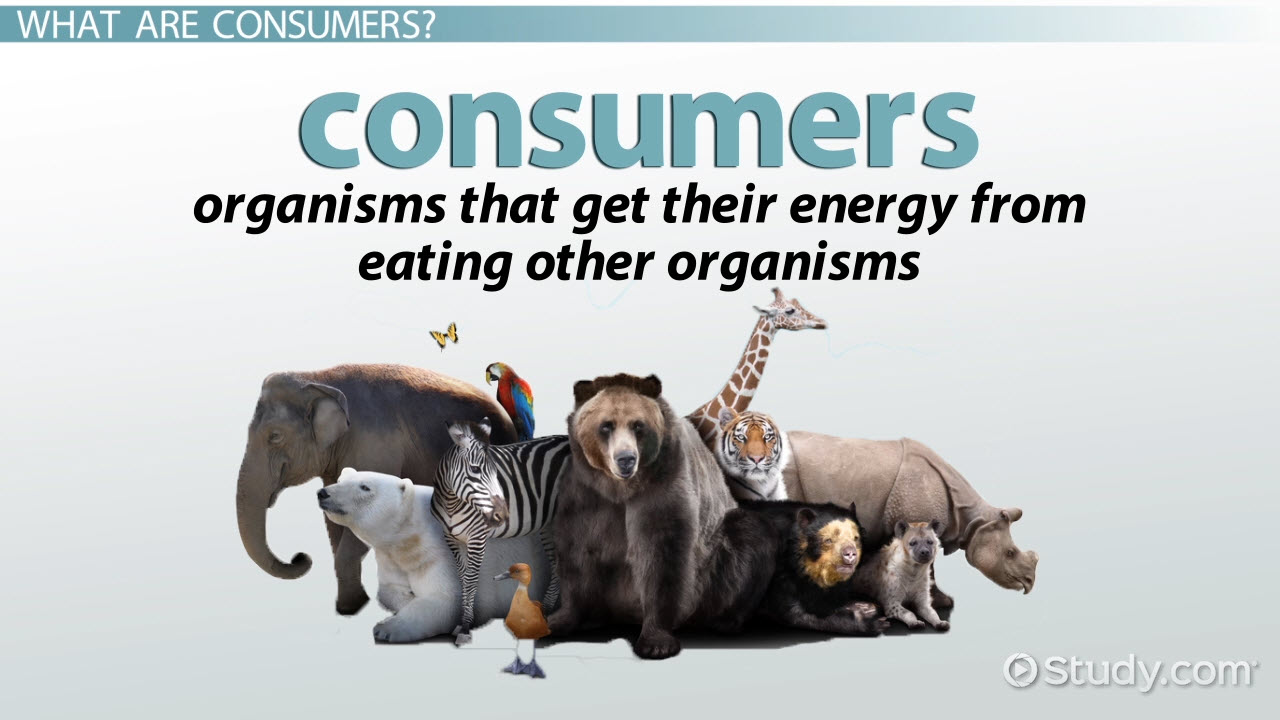
Network Health Indicators
The health of these infrastructure layers is visible in network activity. High transaction volume and consistent block times indicate a robust underlying system capable of supporting mass-market consumer applications.
Essential tools for market research
Tracking the pulse of a Web3 Consumer Ecosystem requires more than just watching token prices. Developers and investors rely on specialized analytics platforms to gauge real ecosystem growth, user sentiment, and on-chain activity. In 2026, the shift from speculative trading data to utility-focused metrics has made these tools indispensable for understanding where value is actually flowing.
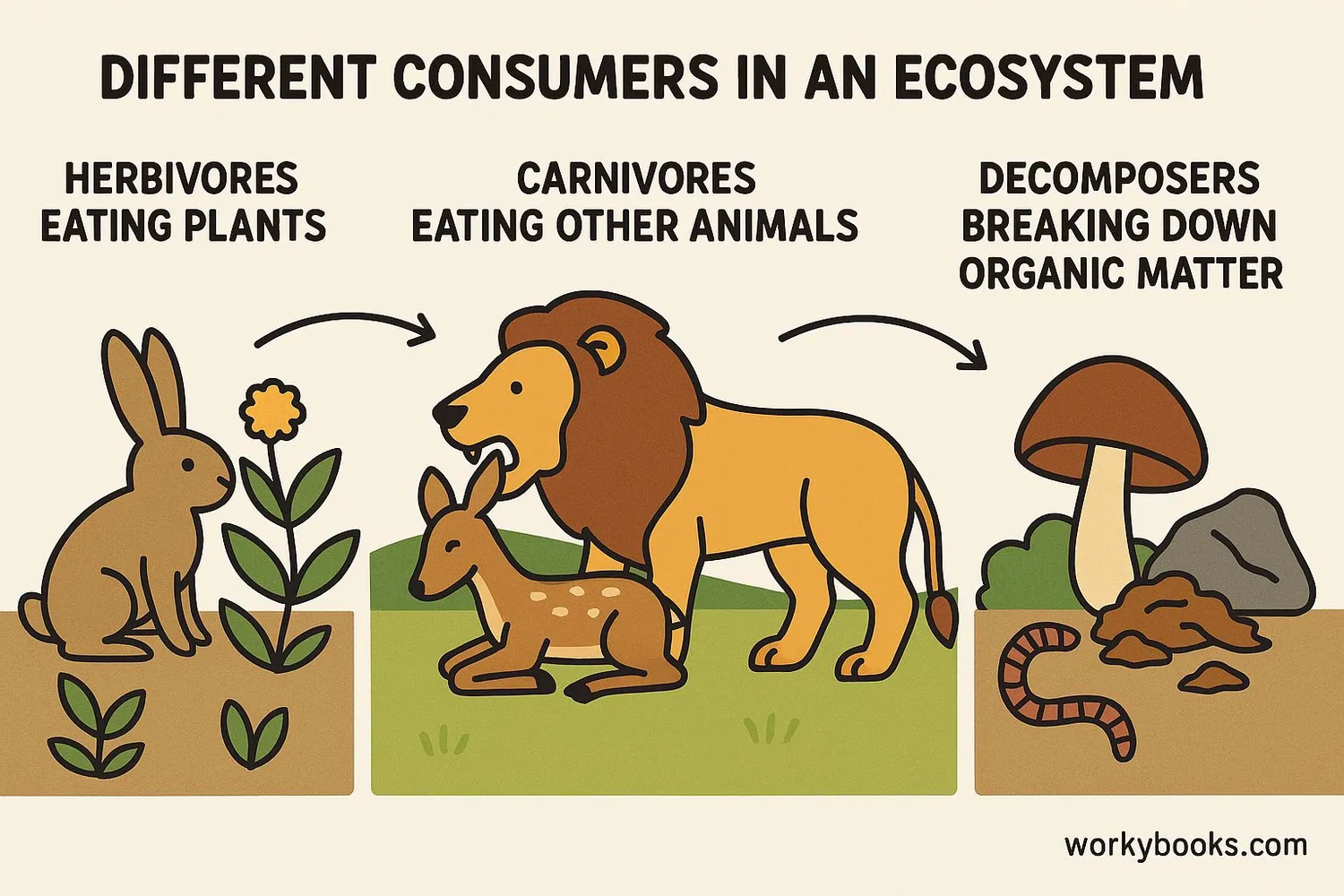
To contextualize the market value driving these ecosystems, we track live performance indicators. The following widget provides real-time data for a key ecosystem token, serving as a baseline for broader market sentiment analysis.
Choosing the right analytics platform depends on whether you need deep on-chain forensics or high-level user engagement metrics. Below is a comparison of the leading tools currently shaping how the industry evaluates the Consumer Ecosystem.
| Platform | Primary Focus | Cost Structure | UI Complexity |
|---|---|---|---|
| Dune Analytics | Custom SQL queries & dashboards | Freemium | Steep learning curve |
| Nansen | Smart money tracking & labels | Paid subscription | Moderate |
| Token Terminal | Revenue & P/E metrics | Freemium | Low |
| DefiLlama | TVL & protocol fundamentals | Free | Low |
Strategic frameworks for adoption
Building a viable consumer ecosystem in 2026 requires moving beyond technical infrastructure to focus on the human layer. The shift is no longer just about deploying protocols; it is about reducing friction for everyday users who are wary of complexity and risk. Successful adoption hinges on making Web3 interactions as intuitive as traditional fintech while maintaining the security guarantees that define the space.
1. Prioritize Invisible Security
Security must be embedded in the user experience rather than bolted on as a warning. Users should not need to understand private keys or gas fees to participate. Instead, rely on smart account abstraction and social recovery mechanisms that allow seamless recovery without exposing sensitive data. This approach aligns with the Responsible Digital Finance Ecosystem guidance, which emphasizes protecting consumers through systemic safeguards rather than individual vigilance alone CGAP.
2. Simplify Onboarding Flows
The biggest barrier to entry remains the initial setup. A streamlined onboarding process should handle wallet creation, identity verification, and initial funding in under three minutes. Use custodial solutions for the first interaction, allowing users to access the ecosystem with familiar login methods like email or biometrics. Only introduce self-custody options after the user has established trust and understands the value proposition.
3. Educate Through Context
Education should be contextual and just-in-time. Instead of forcing users through lengthy tutorials, provide brief explanations when they encounter unfamiliar concepts. For example, explain why a transaction requires confirmation or what a specific fee covers at the moment of action. This reduces anxiety and builds confidence without overwhelming the user with technical jargon.
4. Monitor Market Sentiment
Adoption strategies must adapt to market conditions. During periods of volatility, emphasize stability and utility over speculation. Use real-time data to inform product decisions, ensuring that features align with current user needs rather than theoretical use cases. Tracking market trends helps identify which pain points are most urgent for consumers to solve.
The chart above reflects broader market sentiment, which often influences consumer confidence in digital assets. By aligning your adoption strategy with these macro trends, you can create a more resilient and user-friendly ecosystem.
5. Build Trust Through Transparency
Transparency is the currency of trust. Clearly communicate how user data is used, stored, and protected. Provide easy-to-understand terms of service and privacy policies that avoid legalistic language. When users feel in control of their data, they are more likely to engage deeply with the platform.
-
Evaluate security protocols for user data protection
-
Simplify onboarding to under three minutes
-
Implement contextual educational prompts
-
Align features with current market sentiment
-
Ensure transparent data usage policies
These steps form a cohesive framework for building a consumer-focused Web3 ecosystem. By focusing on these areas, you can create a platform that is not only technologically advanced but also accessible and trustworthy for the average user.
Recommended resources and tools
If you are looking to deepen your understanding of the Consumer Ecosystem guide, these resources provide concrete starting points. The landscape is shifting rapidly in 2026, making up-to-date infrastructure knowledge essential for effective management.
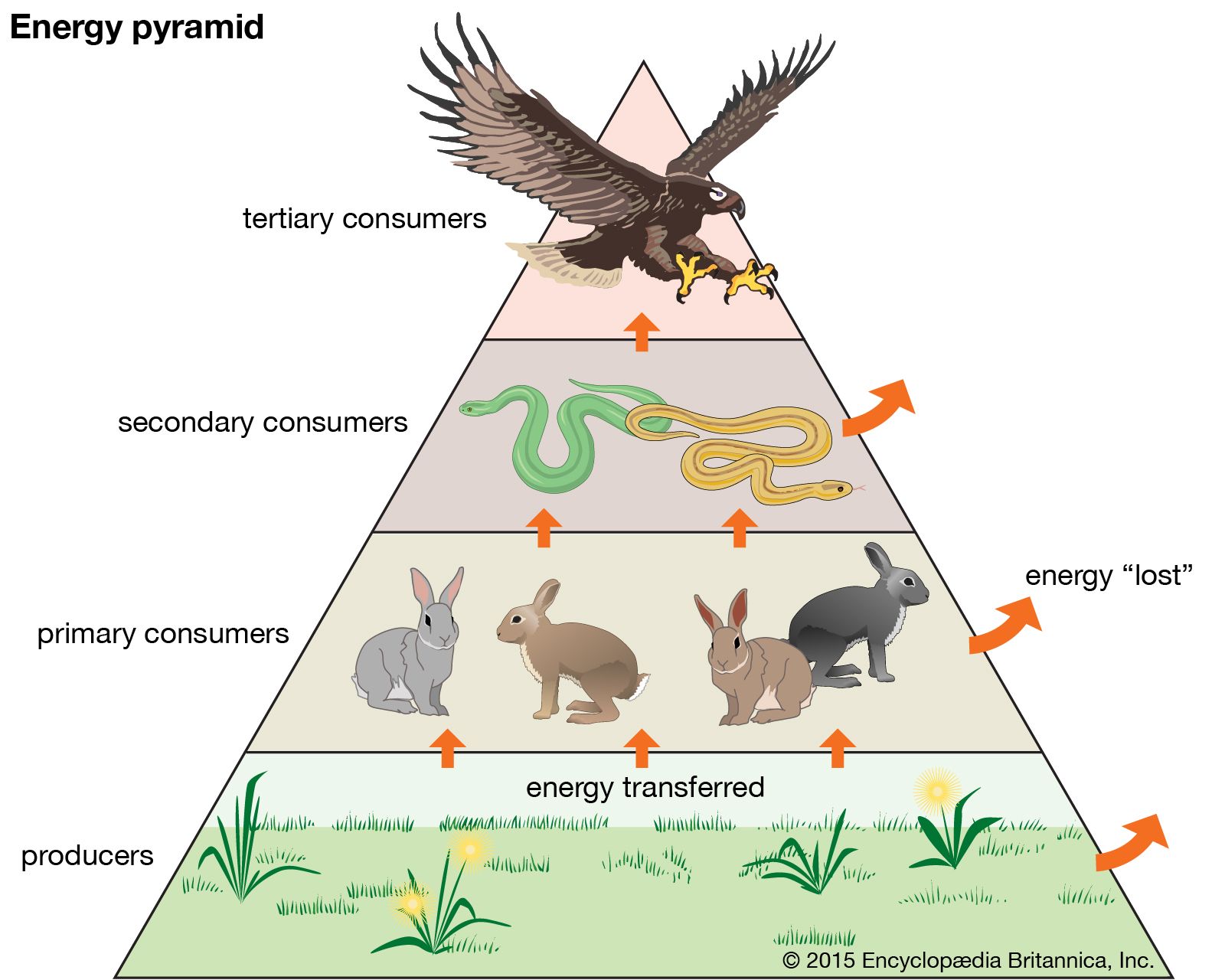
For those who prefer visual learning, The Complete Ecosystem Guide: Poster Book offers a clear breakdown of how producers, consumers, and decomposers interact. It serves as a quick reference for understanding the flow of energy and resources within complex systems.

As an Amazon Associate, we may earn from qualifying purchases.
No comments yet. Be the first to share your thoughts!