Defining the consumer ecosystem strategy
A consumer ecosystem strategy moves beyond isolated product features to build interconnected value networks. In Web3 infrastructure, this means linking disparate services—wallets, decentralized applications, and digital assets—into a single, cohesive user journey. Rather than treating each tool as a standalone utility, the strategy focuses on how these components interact to create a unified experience that fulfills the user’s primary needs.
Traditional siloed products often force users to jump between platforms, losing context and value along the way. An ecosystem approach eliminates these friction points. By integrating protocols and interfaces, infrastructure providers can reduce complexity for the end user while increasing retention across the entire network. This shift transforms isolated transactions into a continuous flow of value.
This model aligns with broader strategic frameworks used by major consulting firms, which emphasize that growth comes from interconnected services rather than individual product sales. For Web3, this means designing infrastructure that anticipates how users will move between protocols, ensuring that data, identity, and assets travel seamlessly with them. The result is a platform where the whole is significantly more valuable than the sum of its parts.
Mapping infrastructure tools for adoption
Building a consumer ecosystem strategy requires more than just a token or a wallet; it demands a stack of interoperable tools that bridge Web3 infrastructure with everyday consumer behavior. The goal is to reduce friction so that the underlying blockchain mechanics remain invisible to the user while the benefits of ownership and data sovereignty remain clear.
Core Infrastructure Layers
The foundation of any consumer-facing Web3 ecosystem relies on three technical pillars: identity, asset management, and transaction processing. Without these, user retention drops as onboarding complexity overwhelms the value proposition.
- Decentralized Identity (DID): Tools like ENS or Polygon ID allow users to control their digital identity without relying on centralized login providers. This reduces churn caused by password fatigue and enhances privacy, which is a primary concern for new Web3 adopters.
- Smart Contract Platforms: Ethereum, Solana, and Layer 2 solutions like Arbitrum provide the execution environment. The choice depends on the target audience's sensitivity to gas fees and transaction speed. For high-frequency consumer interactions, low-cost L2s are often non-negotiable.
- Wallet Abstraction: Account abstraction (ERC-4337) enables social logins and gasless transactions. This tool is critical for mass adoption, as it allows users to interact with dApps using familiar email or biometric credentials rather than managing private keys manually.
Data and Governance Tools
Once the technical foundation is set, operational tools manage the flow of information and community decisions. These components ensure the ecosystem remains aligned with user needs.
- On-Chain Analytics: Platforms like Dune Analytics or Nansen provide real-time data on user behavior and token flows. This visibility allows teams to iterate on features based on actual usage rather than assumptions.
- Decentralized Autonomous Organizations (DAOs): Governance tools like Snapshot or Tally enable community voting. This transparency builds trust and gives users a direct stake in the ecosystem's direction, fostering long-term loyalty.
Essential Reading for Builders
Understanding the strategic layer behind these tools is just as important as the code. The following resources provide frameworks for designing consumer-centric Web3 ecosystems that prioritize user value over speculative hype.


As an Amazon Associate, we may earn from qualifying purchases.
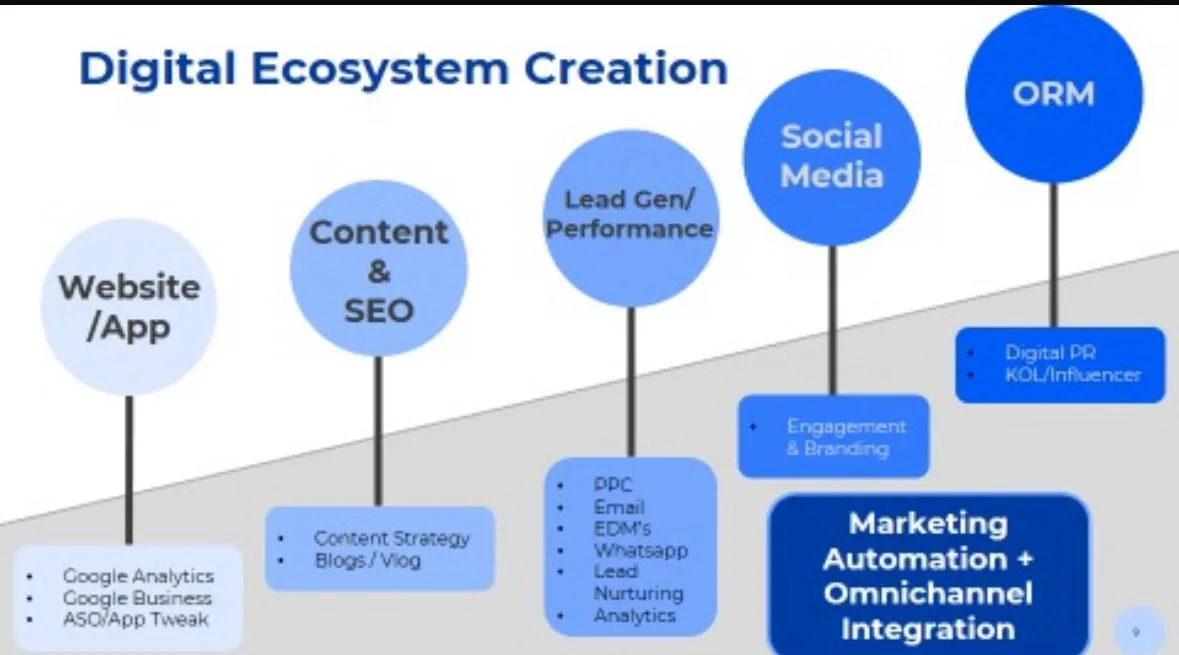
Visualizing the Ecosystem
A well-designed ecosystem integrates these tools into a seamless user journey. The following image illustrates how different components connect to create a cohesive consumer experience.
Analyzing market research and trends
A consumer ecosystem strategy for Web3 infrastructure requires more than just building nodes; it demands a clear view of where capital and attention are flowing. The market is shifting from speculative trading toward tangible utility, with infrastructure spending accelerating as protocols mature. Understanding these trends is essential for positioning your ecosystem to capture value rather than just participate in it.
Market sentiment in the Web3 infrastructure sector often mirrors broader tech cycles but with higher volatility. Tracking the performance of key infrastructure tokens provides a real-time pulse on investor confidence. When major protocol tokens show sustained upward trends, it often signals increased institutional interest and development activity, which are leading indicators for broader ecosystem adoption.
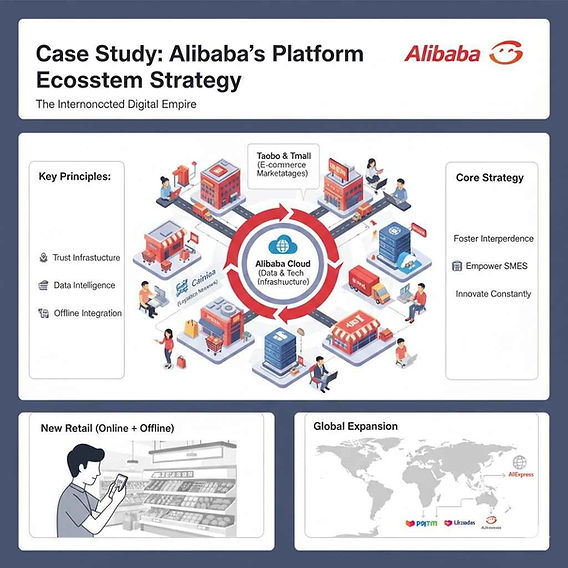
To visualize this momentum, we can look at the price action of established infrastructure assets. These charts reveal not just current valuation but the underlying strength of developer engagement and network effects. A healthy technical chart suggests a robust foundation for a consumer ecosystem strategy, indicating that the market is pricing in long-term utility rather than short-term hype.
Beyond token prices, the real validation comes from ecosystem growth metrics. Research from firms like BCG and McKinsey highlights that successful ecosystem strategies are built on interconnected services that fulfill primary customer needs. In Web3, this translates to seamless interoperability between wallets, bridges, and dApps. When infrastructure spending aligns with these user-centric goals, adoption rates tend to follow, creating a self-reinforcing cycle of growth and value creation.
Structuring value capture and governance
A consumer ecosystem strategy succeeds only when value flows back to the participants who build it. In Web3 infrastructure, this means moving beyond simple transaction fees to mechanisms that reward loyalty, data contribution, and network participation. Without clear value capture, users leave for platforms that offer better incentives, turning your ecosystem into a leaky bucket.
Governance is the operating system for this value exchange. It determines how decisions are made, how disputes are resolved, and how new features are approved. The structure you choose dictates whether your community feels like shareholders or just users. Centralized models offer speed and clarity, while decentralized models offer resilience and alignment. Choosing the right balance is the hardest part of building a sustainable Web3 infrastructure.
The table below compares the two primary governance architectures used in consumer ecosystems. Each has distinct trade-offs regarding speed, cost, and user agency.
| Feature | Centralized Governance | Decentralized Governance | Web3 Fit |
|---|---|---|---|
| Decision Speed | Fast, unilateral | Slow, consensus-based | Centralized for rapid iteration |
| Cost | Low operational cost | High gas and coordination | Decentralized for trustless ops |
| User Control | None, platform-dependent | High, token-weighted | Decentralized for alignment |
| Liability | Platform bears full risk | Shared, often limited | Decentralized for resilience |
Executing the strategy in 2026
Launching a consumer ecosystem strategy requires moving from abstract architecture to tangible user value. In 2026, success depends on integrating infrastructure tools that remove friction between distinct services. The goal is to create a seamless, integrated experience where every product and service works together to solve primary needs, rather than operating as isolated silos.
1. Audit current infrastructure gaps
Before adding new layers, map your existing tech stack against the user journey. Identify where data silos break the continuity of the experience. Use this audit to prioritize integrations that directly impact user retention and cross-service utility.
2. Define the core value loop
Establish the primary action that keeps users within your ecosystem. Whether it is a shared wallet, a unified identity, or a cross-platform loyalty program, this loop must offer clear utility that competitors cannot easily replicate. Focus on the "sticky" features that increase switching costs for the user.
3. Integrate interoperable protocols
Select infrastructure components that support open standards and interoperability. This reduces development debt and allows for faster iteration. Ensure your API layer is robust enough to handle real-time data synchronization across all ecosystem touchpoints.
4. Launch with a focused beta
Roll out the integrated experience to a small, high-engagement segment. Gather quantitative data on usage patterns and qualitative feedback on friction points. Refine the user flow based on this evidence before scaling to the broader market.
5. Monitor and iterate continuously
Ecosystems are dynamic. Use analytics to track cross-service engagement and identify emerging bottlenecks. Regularly update your infrastructure to accommodate new user behaviors and market shifts, ensuring your strategy remains relevant and effective.
Frequently asked questions about consumer ecosystem strategy
What is an ecosystem strategy?
An ecosystem strategy is a growth approach where enterprises build interconnected services to fulfill customers' primary needs in an integrated experience. Rather than offering isolated products, you create a network where each component adds value to the others, keeping users within your Web3 infrastructure. McKinsey notes this model helps companies move beyond transactional relationships toward sustained engagement.
How do you measure success in a consumer ecosystem?
Success in a consumer ecosystem strategy relies on network effects and retention, not just individual user acquisition. You should track cross-service usage, where a user leverages multiple tools within your infrastructure. High retention across these interconnected services indicates that the ecosystem is solving real problems efficiently, creating a moat that single-product competitors cannot easily replicate.
Why is a consumer ecosystem strategy critical for Web3?
Web3 infrastructure is fragmented, making user experience a primary barrier to adoption. A cohesive consumer ecosystem strategy simplifies this complexity by unifying wallets, dApps, and assets into a seamless flow. This reduces friction and builds trust, which is essential for mass adoption. Without this integration, users face too many hurdles to maintain long-term engagement with decentralized technologies.
No comments yet. Be the first to share your thoughts!