Defining the web3 consumer ecosystem
Consumer ecosystem analysis in Web3 is not just about tracking transactions; it is about mapping the health and effectiveness of the entire partner network surrounding a digital product. Unlike Web2, where platforms often act as walled gardens controlling the user experience, the Web3 consumer ecosystem is a decentralized mesh of protocols, applications, and communities. Understanding this landscape requires looking beyond individual app metrics to see how value flows between users, developers, and infrastructure providers.
This analytical approach distinguishes Web3 from its predecessor by focusing on interoperability and ownership. In a Web2 model, a consumer’s activity is siloed within a single service. In Web3, that activity—whether it is staking assets, voting on governance, or using digital assets—creates data points that can be verified across multiple chains and applications. This interconnectedness means that a shift in one part of the ecosystem, such as a change in gas fees or a new protocol upgrade, ripples through the entire network.
To make sense of this complexity, analysts must evaluate the ecosystem’s performance through the lens of its participants. This involves assessing not just technical uptime, but also user retention, community engagement, and the economic incentives that keep the network secure and active. By treating the Web3 space as a living organism rather than a static database, we can better predict trends and identify which tools are truly building sustainable value.
The chart above visualizes the broader crypto market context, which serves as the baseline for any consumer ecosystem analysis. While individual projects may fluctuate based on specific narratives, the aggregate health of the market often dictates the ease with which new consumers can enter and participate in the ecosystem.
Key infrastructure layers in 2026
The consumer ecosystem for Web3 in 2026 rests on four distinct infrastructure layers. Each layer solves a specific problem, from securing assets to making transactions fast enough for everyday use. Understanding these layers helps explain why adoption has shifted from speculation to utility.
Layer 1: The Base Chain
Layer 1 (L1) blockchains like Ethereum or Solana serve as the settlement layer. They offer the highest level of security but often struggle with speed and cost during peak demand. For consumers, this layer is mostly invisible, acting as the final arbiter of truth for all transactions. It’s the foundation, not the storefront.
Layer 2: Scaling Solutions
Layer 2 (L2) networks, such as Arbitrum or Optimism, sit on top of L1s to handle the heavy lifting. They bundle thousands of transactions off-chain and post a summary to the main chain. This reduces fees to pennies and increases speed significantly. Most consumer-facing apps—games, social platforms, and marketplaces—operate here because the user experience feels familiar and instant.
Layer 3: Application-Specific Chains
Layer 3 (L3) solutions are emerging as custom chains built for specific apps or industries. Think of them as private neighborhoods within a city. They offer maximum customization for user experience, privacy, and tokenomics. This layer is critical for mass adoption because it allows developers to tailor the infrastructure to their users' exact needs without compromising on the security of the underlying L1.
Supporting Infrastructure: Wallets and Oracles
Beyond the chains themselves, two other components are essential. Wallets have evolved from complex key managers into user-friendly interfaces that abstract away technical details. Oracles provide the bridge between on-chain data and real-world information, ensuring that smart contracts can react to external events like weather, sports scores, or financial prices.
| Layer | Primary Function | Consumer Impact |
|---|---|---|
| L1 | Settlement & Security | High security, higher cost |
| L2 | Scaling | Low cost, high speed |
| L3 | App-specific customization | Tailored UX, niche features |
| Wallets/Oracles | Access & Data | Usability & Real-world integration |
The interplay between these layers determines the viability of any Web3 consumer product. A successful ecosystem doesn't just pick one layer; it orchestrates them to hide complexity while preserving security. As the infrastructure matures, the focus shifts from building new chains to optimizing the connections between them.
Market research methodologies for web3
Analyzing the consumer ecosystem in Web3 requires a hybrid approach. You cannot rely on traditional surveys alone, nor can you trust on-chain data in isolation. The most effective strategy combines direct social sentiment with hard on-chain metrics to build a complete picture of user behavior.
On-chain data as the foundation
On-chain data provides the most objective view of user activity. It shows exactly what users are doing, not what they say they are doing. You can track wallet interactions, token holdings, and transaction volumes to identify active participants. This data is immutable and transparent, making it a reliable baseline for your analysis.
Social sentiment for context
On-chain data lacks context. It tells you that a user bought a token, but not why. Social sentiment analysis fills this gap by monitoring discussions on platforms like Reddit and Twitter. By analyzing tone, frequency, and key topics, you can gauge community mood and predict potential shifts in interest. This qualitative layer helps explain the quantitative spikes seen on-chain.
Adapting traditional methods
Traditional market research methods, such as surveys and focus groups, still have value but need adaptation. In Web3, anonymity is common, so self-reported data can be skewed. To counter this, triangulate survey results with on-chain verification. If a user claims to be an active trader, check their wallet history to confirm. This cross-verification reduces bias and increases the reliability of your findings.
Choosing the right consumer ecosystem analysis tools
Selecting the right stack for consumer ecosystem analysis depends on whether you need granular on-chain behavior, broad market sentiment, or deep macroeconomic context. Dune Analytics, Nansen, and Glassnode each serve a distinct purpose in this landscape. Dune is best for custom queries and community-driven dashboards. Nansen excels at labeling wallets and tracking smart money flows. Glassnode provides institutional-grade macro indicators and stock-to-flow models.
To help you decide, here is a side-by-side comparison of their core features, pricing models, and data depth.
| Tool | Primary Strength | Pricing Model | Data Depth |
|---|---|---|---|
| Dune Analytics | Custom SQL queries & community dashboards | Freemium (Pro tiers available) | Granular transaction-level |
| Nansen | Smart money tracking & wallet labeling | Subscription-based (Premium tiers) | Labeled wallet behavior |
| Glassnode | Macro indicators & on-chain metrics | Subscription-based (Enterprise options) | Aggregated market health |
The choice often comes down to your specific analytical needs. If you are building a custom dashboard for a specific protocol, Dune’s flexibility is unmatched. For tracking investor behavior and identifying trends driven by smart money, Nansen’s labeling database is essential. If you are looking at broader market health and macro trends, Glassnode’s indicators provide a high-level view that complements the other two.
For those looking to set up their analysis environment, here are some essential tools that can support your workflow.



As an Amazon Associate, we may earn from qualifying purchases.
Ultimately, the best approach is often a hybrid one. Many analysts use Dune for deep dives into specific contracts, Nansen for tracking whale movements, and Glassnode for checking broader market conditions. By combining these tools, you can get a comprehensive view of the consumer ecosystem in Web3 infrastructure.
Adoption trends and future outlook
The narrative around consumer Web3 adoption has shifted significantly in 2026. The initial wave of speculative trading is giving way to tangible utility, with users increasingly engaging with infrastructure that solves real-world problems rather than chasing token price action. This transition marks a maturation of the ecosystem, where the focus is on sustainable value creation and practical application.
Two major trends are driving this shift: Real World Asset (RWA) tokenization and Decentralized Physical Infrastructure Networks (DePIN). RWA tokenization allows traditional assets like real estate or treasury bills to be represented on-chain, bringing liquidity and fractional ownership to broader audiences. Meanwhile, DePIN projects incentivize users to contribute physical resources, such as wireless hotspots or computing power, creating decentralized networks that compete with centralized providers.
Looking ahead, the integration of these technologies into everyday financial and digital life will likely accelerate. As regulatory frameworks become clearer and user interfaces improve, the barrier to entry continues to lower. The consumer ecosystem is no longer just about holding assets; it is about participating in a more open and efficient digital economy.
Essential checklist for ecosystem analysis
Use this checklist to structure your Consumer Ecosystem analysis. It ensures you cover the critical bases of network health, participant roles, and value flow.
Identify all active nodes—users, developers, and partners. Document how they connect and interact within the Web3 infrastructure.
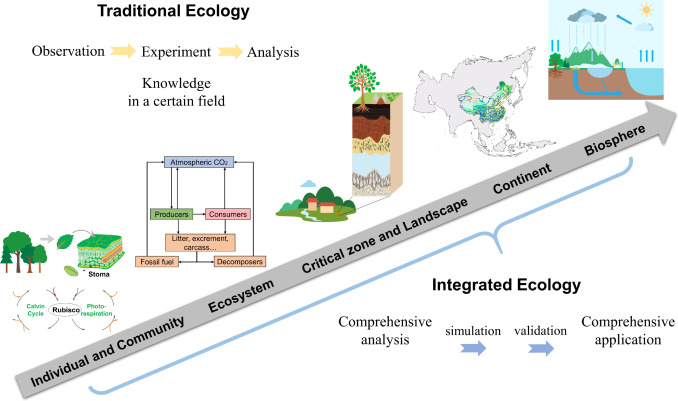
Evaluate how changes in one part of the network affect others. This helps you spot bottlenecks and systemic risks early.
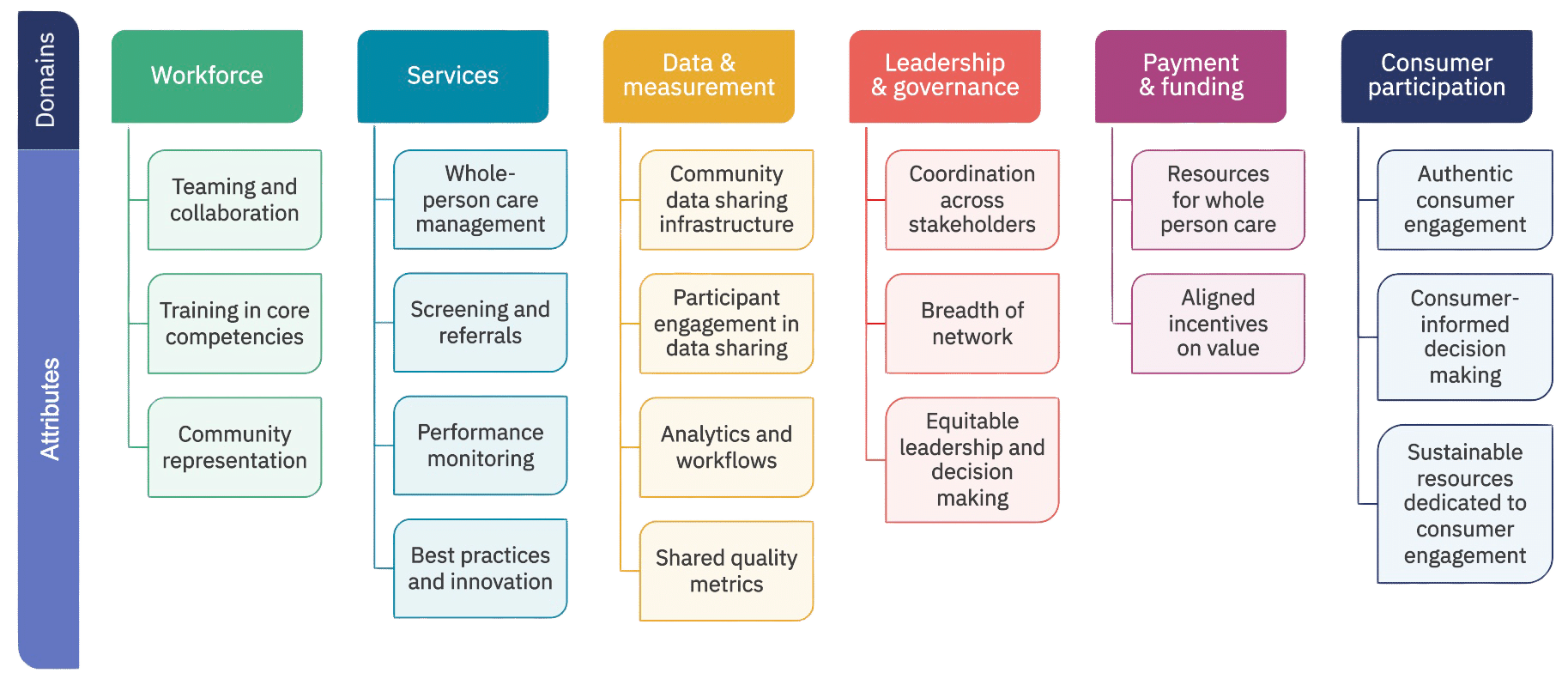
Check if benefits are concentrated among a few nodes or distributed fairly. A healthy ecosystem rewards diverse participation.
Look at long-term viability. Are resources being replenished, or is the system depleting its own foundation?
This structured approach turns abstract network data into actionable insights for your Consumer Ecosystem analysis.
Common questions about web3 analysis
Consumer analysis is the process of understanding the behaviors, needs, preferences, and motivations of both existing and potential customers. It involves collecting and analyzing data to gain insights into who these consumers are, what they want, and how likely they are to buy from your business [1].
What should a consumer analysis include?
A solid consumer ecosystem analysis must go beyond simple demographics. You need to track on-chain activity, such as wallet interaction frequency and transaction volume, alongside traditional metrics like customer acquisition cost. Understanding the "why" behind a user's move from one protocol to another is just as important as the move itself.
How does web3 consumer analysis differ from traditional models?
Traditional models rely heavily on cookies and first-party data, which are becoming less reliable. Web3 consumer analysis leverages on-chain data that is transparent and immutable. However, this data is pseudonymous, meaning you must use cluster analysis to group wallets and identify actual human behavior patterns rather than just isolated transactions.
Why is ecosystem analytics important for Web3 projects?
Ecosystem analytics helps you see the entire network of relationships within your channel. It reveals how different protocols, tokens, and applications interact. This holistic view allows you to identify bottlenecks, optimize user journeys, and spot emerging trends before they become mainstream.
No comments yet. Be the first to share your thoughts!