Define the consumer ecosystem strategy
A consumer ecosystem strategy moves beyond the traditional siloed product approach. Instead of treating each application as an isolated island, it connects disparate Web3 services into a unified consumer experience. This shift is critical in a space often fragmented by incompatible protocols and disjointed user journeys.
In traditional software, value is often trapped within a single vendor’s walled garden. In Web3, the goal is to create a network where interoperability allows users to move assets and data seamlessly between applications. This reduces the friction that typically causes high churn rates in decentralized applications.
McKinsey defines ecosystem strategy as a growth approach that builds interconnected services to fulfill primary customer needs in an integrated experience. For Web3 projects, this means designing tokenomics, governance, and user interfaces that work together rather than in competition. The result is a cohesive environment where the whole offers more utility than the sum of its parts.
Map the consumer ecosystem infrastructure
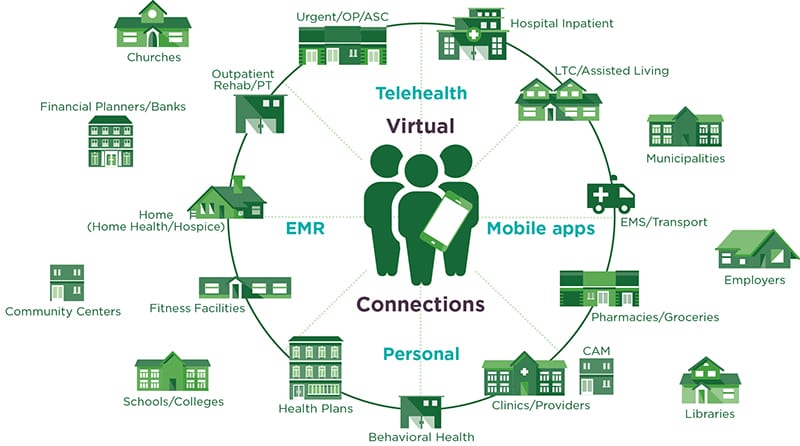
A consumer ecosystem strategy relies on a robust technical backbone. You must integrate wallets, bridges, and identity layers to create a seamless experience. This infrastructure acts as the nervous system of your Web3 platform, connecting disparate services into a unified whole.
Wallets and bridges
Wallets serve as the entry point for users, while bridges connect different blockchain networks. This connectivity allows assets and data to flow freely across the ecosystem. Without reliable bridges, users face friction and high costs, which can deter adoption.
Identity and verification
Decentralized Identity (DID) layers provide a secure way to verify users without exposing sensitive personal data. This approach respects user privacy while enabling compliance with regulatory requirements. It allows users to control their own digital identity, fostering greater engagement and loyalty.
Market context
The health of this infrastructure is often reflected in the performance of major Web3 tokens. Monitoring these assets helps gauge market sentiment and liquidity, which are critical for ecosystem stability.
Select consumer ecosystem tools
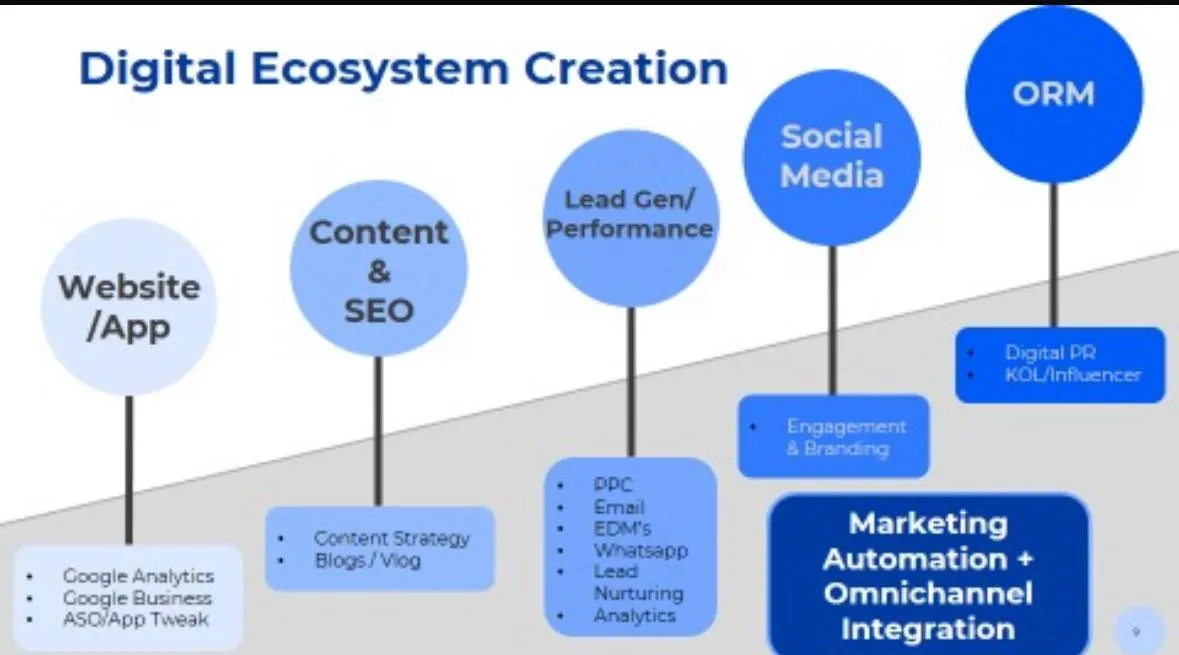
Building a Web3 consumer ecosystem requires more than just a smart contract; it demands a stack of tools that connect, analyze, and retain users. Think of these tools as the plumbing, sensors, and signage of your digital neighborhood. Without them, the infrastructure exists, but it remains invisible and unusable to the average person. The goal is to lower the friction between blockchain complexity and consumer utility.
Analytics and On-Chain Intelligence
You cannot manage what you cannot measure. In Web3, traditional web analytics fall short because they cannot track wallet behavior across dApps or verify token ownership. You need on-chain analytics platforms that provide real-time visibility into user retention, token velocity, and active wallet counts. These tools allow you to see exactly how users interact with your ecosystem, identifying drop-off points in the user journey. Without this data, you are navigating blind, unable to distinguish between speculative trading and genuine product adoption.
Development and Infrastructure
The foundation of any consumer ecosystem is its development toolkit. You need reliable nodes, scalable databases, and user-friendly SDKs that abstract away the underlying blockchain complexity. Tools like The Graph for data indexing or Alchemy for node infrastructure ensure your application remains fast and responsive. If your dApp lags or fails to sync, users will leave before they even understand the value proposition. These backend services act as the silent engine, handling the heavy lifting so your frontend can focus on experience.
User Acquisition and Wallet Onboarding
Acquiring users in Web3 is distinct from traditional digital marketing because it requires bridging the gap between fiat and crypto. You need tools that facilitate seamless wallet creation, such as account abstraction solutions that allow email-based logins. Additionally, integration with social platforms and community hubs like Discord or Telegram is essential for building trust before a transaction occurs. These acquisition tools turn cold traffic into engaged community members by removing the technical barriers that typically deter mainstream consumers.


As an Amazon Associate, we may earn from qualifying purchases.
Conduct consumer ecosystem market research
Researching consumer behavior in Web3 requires a dual approach: analyzing on-chain activity for hard signals and monitoring community channels for sentiment. Unlike traditional markets where purchase history is the primary metric, Web3 users leave transparent trails across block explorers and social platforms. This transparency allows for a more granular understanding of user intent, moving beyond simple demographics to behavioral clustering.
Start by identifying key on-chain metrics that correlate with ecosystem engagement. Look for wallet activity patterns, such as frequency of swaps, holding periods, and participation in governance votes. These data points reveal how users interact with your protocol relative to competitors. Tools like Dune Analytics or Nansen can help segment these users into distinct cohorts, such as "yield farmers" or "long-term holders," allowing you to tailor research questions to specific behavioral types.
Simultaneously, gauge community sentiment through decentralized social platforms and governance forums. On-chain data tells you what users did; community channels tell you why. Monitor discussions on platforms like Discord, Telegram, and Farcaster for recurring pain points or feature requests. This qualitative layer is essential for interpreting the quantitative data, ensuring your ecosystem strategy addresses actual user needs rather than assumed preferences.
Measure Web3 adoption with the right KPIs
Tracking success in a consumer ecosystem strategy requires shifting from traditional retail metrics to on-chain signals. Unlike e-commerce, where you track page views and cart abandonment, Web3 relies on wallet activity and capital flow to gauge health. Active wallets indicate genuine user engagement, while transaction volume reveals the intensity of that interaction.
The table below contrasts standard e-commerce indicators with their Web3 equivalents. This comparison highlights why Total Value Locked (TVL) and daily active addresses are more relevant than Gross Merchandise Value (GMV) for assessing long-term ecosystem stickiness.
| Metric | Traditional E-commerce | Web3 Consumer Ecosystem | Why It Matters |
|---|---|---|---|
| Engagement | Page Views / Session Duration | Daily Active Wallets | Measures unique human interaction rather than bot traffic or casual browsing. |
| Value | Gross Merchandise Value (GMV) | Total Value Locked (TVL) | TVL reflects committed capital and trust, whereas GMV can be inflated by returns or refunds. |
| Transaction Health | Cart Abandonment Rate | Transaction Volume / Gas Costs | High volume with low gas costs suggests efficient, frictionless user experiences. |
| Retention | Repeat Purchase Rate | Wallet Re-engagement Rate | Tracks if users return to the same ecosystem for subsequent needs, indicating true loyalty. |
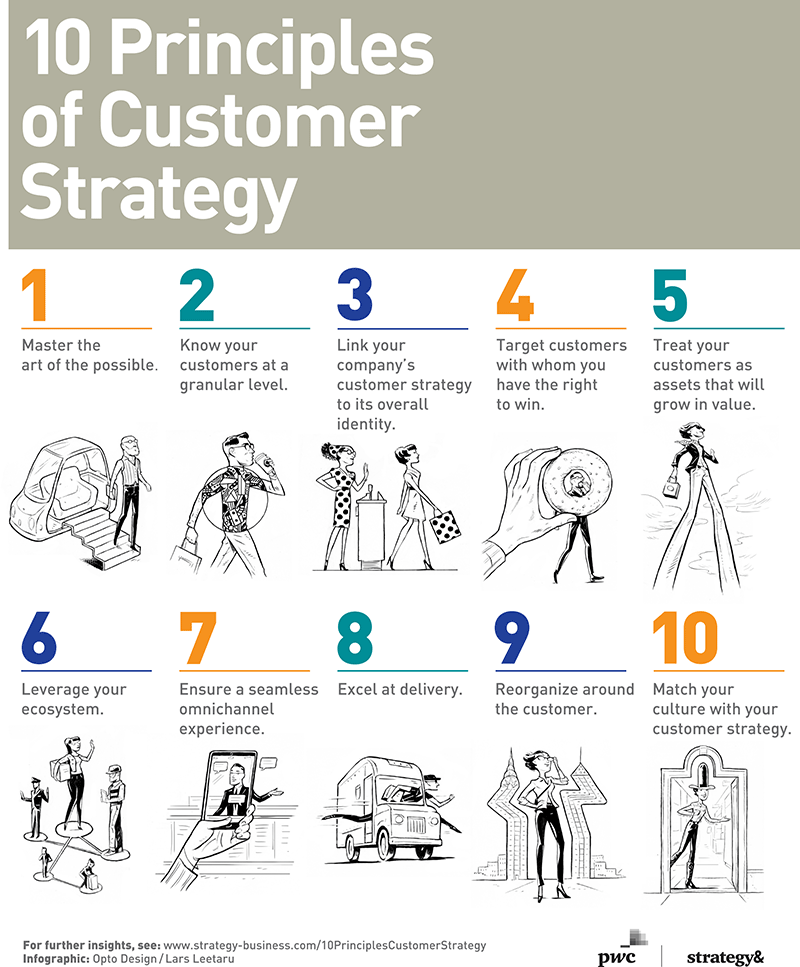
Focus on these on-chain metrics to understand whether your ecosystem is merely attracting attention or building lasting utility. For a deeper framework on structuring these strategies, BCG outlines eight fundamental questions for developing a robust ecosystem approach.
Frequently asked: what to check next
What is an ecosystem strategy? An ecosystem strategy is a structured approach to growth that helps enterprises build interconnected services to fulfill customers' primary needs in an integrated experience McKinsey. Instead of selling isolated products, businesses create a network of partners, customers, and stakeholders that reinforce each other ZINFI. This framework allows Web3 projects to move beyond single-token utility toward holistic user retention.
What is a consumer ecosystem in Web3? In a business context, a consumer ecosystem refers to the interconnected digital environment where users interact with various services, tokens, and community governance tools. Unlike biological ecosystems, this is a designed network where consumer behavior drives value for all participants. The goal is to create a seamless experience where engaging with one part of the platform enhances the value of the others, fostering loyalty and network effects.
What is a consumer-based strategy? A consumer-based strategy is an organizational approach developed based on deep insights into consumer wants, needs, and the costs they incur to purchase and own goods Springer. In Web3, this means designing tokenomics and user interfaces that reduce friction and align incentives. It shifts the focus from extracting maximum short-term value to building long-term trust and utility for the end user.
No comments yet. Be the first to share your thoughts!