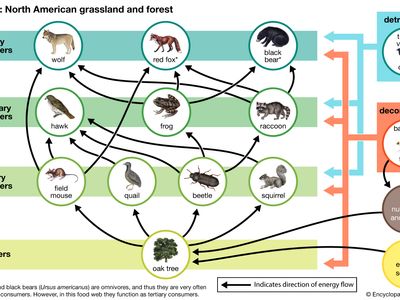
Defining the modern digital ecosystem
In Web3 and digital finance, the term "ecosystem" is often misused as a synonym for a product stack. A simple stack is a collection of tools that work in isolation. An ecosystem is an interconnected network where wallets, identity protocols, and payment rails communicate to create a single, continuous user journey. This distinction matters because it shifts the focus from individual app features to the underlying infrastructure that enables interoperability.
A true consumer ecosystem in this space does not just offer a service; it provides the connective tissue that allows data and value to move seamlessly between different layers. For instance, a decentralized identity (DID) credential should be usable across multiple DeFi platforms without re-entering information. Similarly, a wallet should support various token standards and bridge technologies without requiring the user to manage separate accounts for each chain. This integration reduces friction and builds trust, which is essential for mass adoption.
The rise of this model is driven by the need for users to maintain sovereignty over their data while accessing a wide range of financial services. According to industry analyses, the most successful platforms are those that prioritize open standards and interoperability over walled gardens. This approach allows developers to build on top of existing infrastructure, fostering innovation and creating a more resilient network. As the sector matures, the ability to navigate these complex interactions will become a key skill for both consumers and developers.
Tracking market signals and adoption
Monitoring the health of the Web3 infrastructure ecosystem requires more than just watching token prices. You need to track the actual usage of the underlying protocols and the technical momentum driving adoption. This approach separates speculative noise from genuine network growth.
Start by observing the primary asset’s technical structure. For most infrastructure discussions, Ethereum serves as the baseline for network activity and developer engagement. A live chart helps you identify support levels and trend reversals that often precede broader market shifts.
Price movements alone don’t tell the full story. Look at trading volume alongside price action. Spikes in volume without significant price changes can indicate accumulation or distribution phases. Conversely, high volatility with low volume often signals weak conviction and potential instability in the infrastructure layer.
Adoption signals are best tracked through on-chain metrics and developer activity rather than just market capitalization. When infrastructure projects show consistent transaction growth and active developer commits, it usually reflects long-term viability. Combine these fundamental indicators with the technical charts to get a clearer picture of where the ecosystem is heading.
Essential infrastructure tools for builders
Building a consumer ecosystem requires more than just a smart contract; it demands a stack that handles identity, data, and cross-chain liquidity. The following tools provide the foundational layers for constructing robust Web3 consumer applications. They are selected for their reliability, developer experience, and proven track record in production environments.
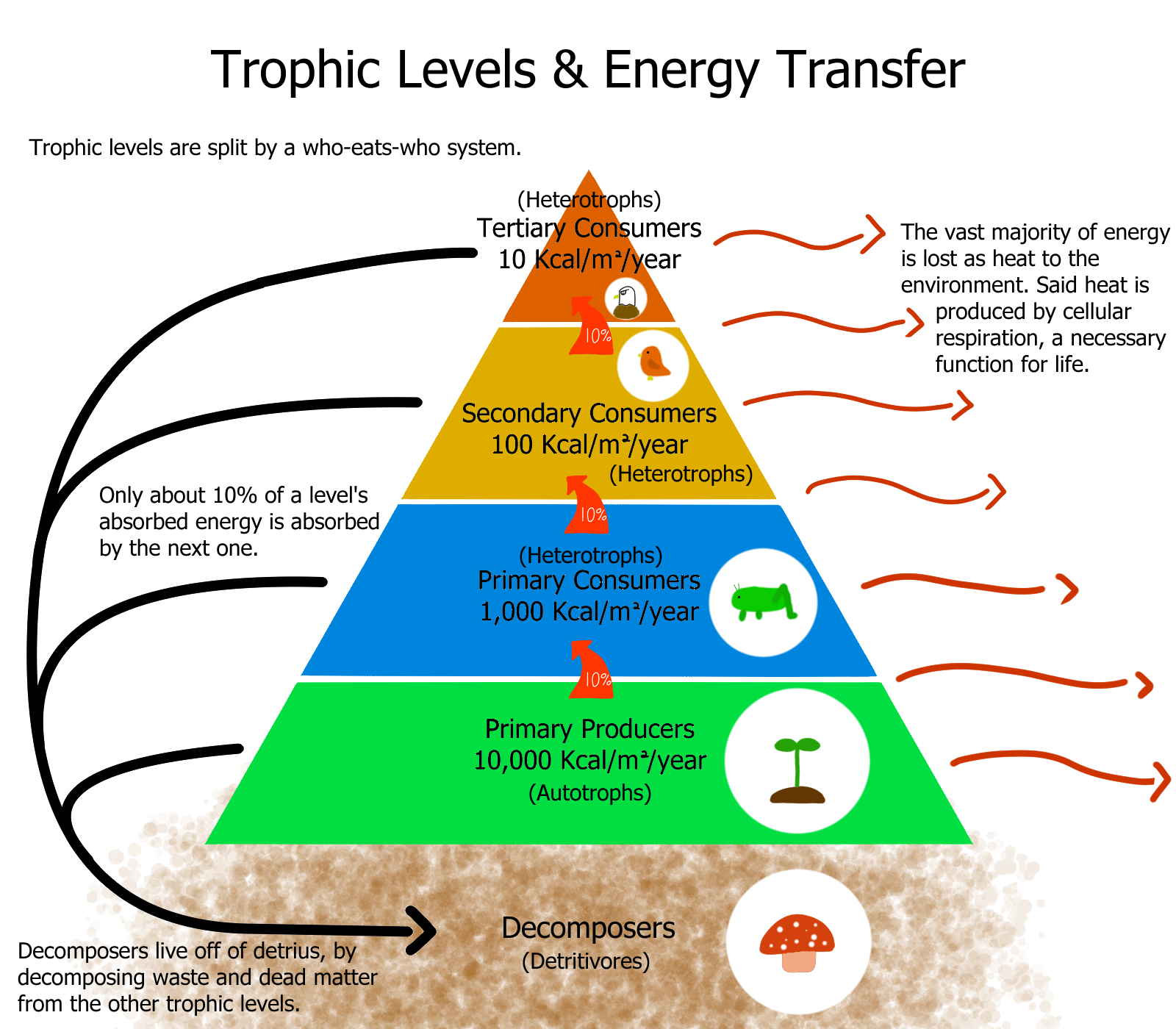
Identity and Access Management
User onboarding is the biggest friction point in consumer Web3. Tools like Login.xyz (formerly Authereum) and Web3Auth abstract away private key management, allowing users to log in with email or social accounts while maintaining non-custodial security. For developers needing granular control over identity verification, Worldcoin offers a privacy-preserving proof of personhood layer that helps prevent sybil attacks in consumer applications.
Data Indexing and Oracles
Smart contracts cannot natively query off-chain data. The Graph is the standard for indexing blockchain data, allowing your frontend to query complex ecosystem relationships via GraphQL. For real-time market data, Chainlink remains the most secure oracle network, providing price feeds and verifiable randomness. These tools ensure your consumer app reflects accurate, tamper-proof information without requiring custom node infrastructure.
Cross-Chain Messaging
Consumers expect seamless movement between chains. LayerZero and Wormhole provide omnichain interoperability protocols that enable messages and assets to move between disparate blockchains. When integrating these, prioritize protocols with established audit histories and high total value locked (TVL) to minimize bridge risk. For a technical deep dive into cross-chain security, refer to the LayerZero documentation.
Comparison of Infrastructure Layers
| Tool Category | Primary Recommendation | Secondary Option | Best For |
|---|---|---|---|
| Identity | Web3Auth | Login.xyz | Social login abstraction |
| Data | The Graph | Dune Analytics | On-chain data querying |
| Oracles | Chainlink | API3 | Price feeds & randomness |
| Messaging | LayerZero | Wormhole | Cross-chain asset transfer |
Recommended Reading for Ecosystem Design
To deepen your understanding of ecosystem architecture, consider these technical guides and business model frameworks. These resources help bridge the gap between technical implementation and sustainable business design.
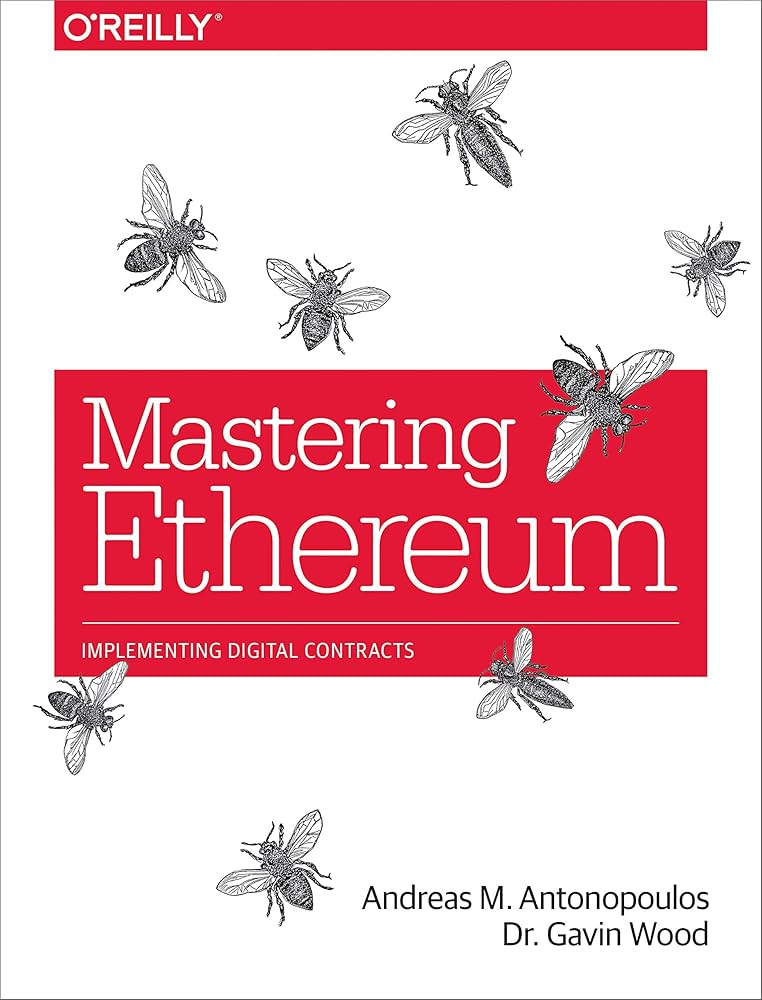

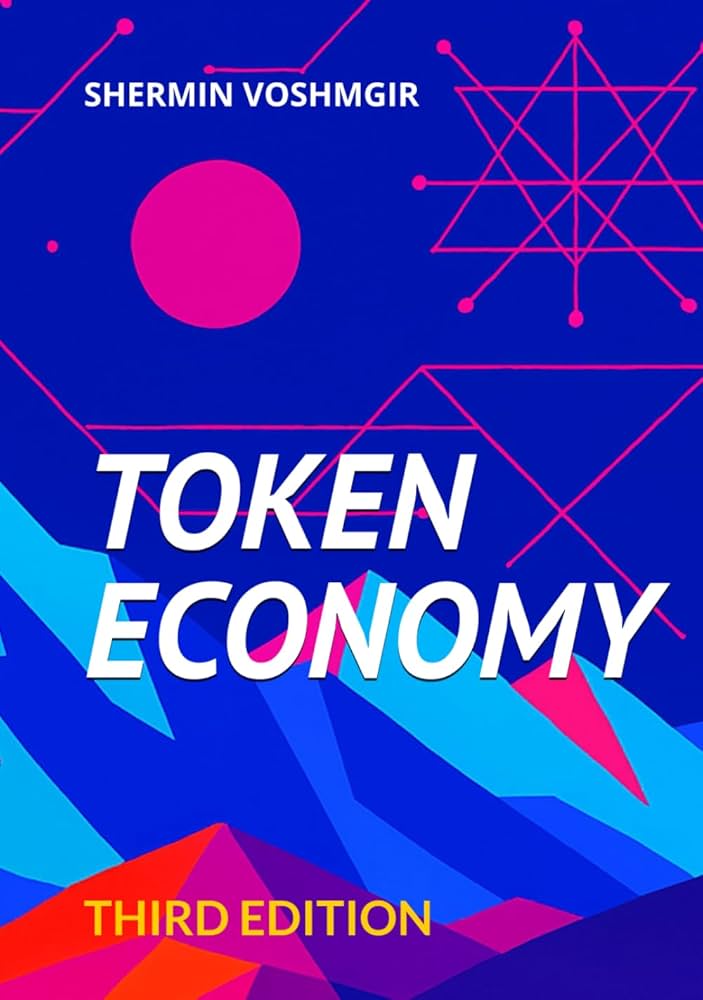
As an Amazon Associate, we may earn from qualifying purchases.
Navigating consumer protection risks
Building a Web3 infrastructure means building a trust layer. When users hand over private keys or interact with smart contracts, they are exposing themselves to risks that traditional finance has spent decades codifying. In the decentralized world, those protections don't exist by default; they must be engineered into the protocol.
The most effective approach is an ecosystem mindset rather than a siloed one. As noted by the CGAP framework, consumer protection isn't just about customer support; it's about strengthening the entire financial infrastructure, from regulators to key ecosystem actors. This means designing interfaces that prevent irreversible errors, ensuring transparent fee structures, and maintaining clear audit trails for every transaction.
For developers, this translates to concrete technical choices. Implementing mandatory cooling-off periods for large transfers, using multi-signature wallets for high-value operations, and providing clear, unambiguous error messages are not optional features—they are foundational safety mechanisms. Without these, even the most innovative protocol becomes a liability.
Think of your infrastructure as a bank vault. The smart contract is the steel door, but the user interface is the handle. If the handle is confusing or the instructions are missing, the vault is only as secure as the user's understanding of how to use it. Prioritize clarity and recoverability over speed alone.
Before launching, run your design against a strict compliance checklist. Verify that all user flows account for human error, that terms of service are readable (not just legally binding), and that support channels are active and responsive. Safety is the feature that retains users.
Building for long-term viability
Implementing these tools requires a shift from isolated product development to ecosystem orchestration. PwC’s framework for business ecosystems emphasizes that sustainable growth comes from defining clear "ways to play"—identifying where your infrastructure adds unique value rather than competing in saturated layers. This strategic clarity prevents resource dilution across too many protocols.
Start by mapping your core infrastructure against the primary keyword cluster to ensure alignment with user intent. Use the TechnicalChart widget to monitor real-time network health and liquidity flows, allowing you to adjust node distribution or gas optimization strategies based on live data rather than historical lag. This reactive precision is essential in high-stakes environments where volatility can erode trust quickly.
Finally, establish feedback loops with early adopters to refine the user journey. Avoid generic advice; focus on concrete improvements like reducing transaction friction or enhancing wallet interoperability. By treating your Web3 infrastructure as a living ecosystem rather than a static stack, you position your project for resilience against market shifts and regulatory changes.
No comments yet. Be the first to share your thoughts!