Defining the web3 consumer ecosystem
In traditional finance or SaaS, a "consumer" is usually a retail user buying a product or service. In Web3, the definition expands. A consumer ecosystem refers to the interconnected network of end-users, developers, validators, and protocol layers that interact within a decentralized environment. It is not just about who buys; it is about who participates, secures, and governs the system.
Unlike a closed ecosystem where a single company controls the infrastructure, a Web3 consumer ecosystem is distributed. The infrastructure is open-source and permissionless. Users are also stakeholders. This distinction is critical for infrastructure strategies because it means that user retention depends on utility and governance, not just brand loyalty or customer support.
When we analyze this ecosystem, we look at the health of the entire network: the developers building on the chain, the nodes securing it, and the users engaging with it. A failure in any part of this chain—such as a broken developer tool or a confusing user interface—impacts the whole. Therefore, infrastructure must be built to support this multi-sided interaction, ensuring that the base layer remains robust while the top layer remains accessible.
This model contrasts sharply with traditional retail models. In retail, the consumer is at the end of a linear supply chain. In Web3, the consumer is part of the value loop. Understanding this shift is the first step in designing infrastructure that can scale with genuine network growth rather than just user acquisition.
Infrastructure layers in ecosystem analysis
The consumer ecosystem does not exist in a vacuum; it rests on a stack of technical infrastructure that dictates everything from transaction speed to user retention. When analyzing market health, you must look past the surface-level applications and examine the foundational layers: Layer 1 (L1) and Layer 2 (L2) blockchains, cross-chain bridges, and wallet interfaces. These components are not merely technical specifications; they are the plumbing that either facilitates seamless consumer interaction or introduces friction that drives users away.
L1 networks like Ethereum serve as the settlement layer, providing security and decentralization but often at the cost of speed and cost. To address this, L2 solutions such as Arbitrum and Optimism process transactions off-chain before settling them on the main chain, offering lower fees and faster confirmation times. This hierarchy is critical for consumer adoption. If a transaction takes too long or costs too much, the consumer experience breaks down, leading to churn. The choice of infrastructure directly influences the viability of consumer-facing applications, determining whether they can scale to millions of users.
Bridges and wallets act as the connective tissue and the entry point, respectively. Bridges enable liquidity and asset movement across different chains, but they have historically been a significant vector for security vulnerabilities. Wallets, meanwhile, are the primary interface through which consumers interact with the ecosystem. A poor wallet experience—whether through complex seed phrase management or confusing transaction signing—creates a high barrier to entry. Therefore, infrastructure analysis must evaluate not just the technical performance of these layers, but their security posture and user experience quality.
To contextualize the market environment in which these infrastructure projects operate, we can look at the broader market trends reflected in major assets.
Understanding these layers allows for a more accurate assessment of a project's long-term potential. A robust infrastructure layer supports a healthy consumer ecosystem, fostering trust and engagement. Conversely, weak infrastructure undermines even the most promising applications, highlighting the importance of thorough technical due diligence in market analysis.
Actor Roles and Value Exchange
Web3 infrastructure isn't a monolith; it's a network of interdependent actors, each with distinct incentives and risk profiles. Understanding how value flows between developers, validators, users, and protocols is essential for a true consumer ecosystem analysis. This flow determines the health and sustainability of the underlying market.
The Developer-Protocol Nexus
Developers build the smart contracts and interfaces that define a protocol's functionality. Their value comes from innovation and network effects. However, they face high initial costs and regulatory uncertainty. Protocols, in turn, provide the governance tokens and liquidity incentives that reward this development. This symbiotic relationship drives the initial growth phase of any Web3 ecosystem.
Validators and Security
Validators secure the network by processing transactions and maintaining consensus. Their primary incentive is block rewards and transaction fees. The risk here is centralization; if a few entities control most validation power, the ecosystem becomes vulnerable to collusion. This dynamic directly impacts the reliability and censorship-resistance that consumers rely on.
Users and Value Capture
Users are the ultimate source of value, providing liquidity, data, and demand. In traditional finance, value often flows upward to intermediaries. In Web3, well-designed ecosystems aim to capture value back to the user base through token appreciation or yield. This shift is what makes consumer ecosystem analysis critical for long-term viability.
Comparing Actor Incentives
The table below contrasts the primary motivations and vulnerabilities for each key participant. This comparison highlights the tension between capital efficiency and security.
| Actor | Primary Incentive | Key Risk | Value Capture Mechanism |
|---|---|---|---|
| Developers | Innovation & Token Utility | Regulatory Action & Forking | Token Appreciation & Grants |
| Validators | Block Rewards & Fees | Centralization & Slashing | Direct Staking Yields |
| Users | Yield & Access | Smart Contract Risk | Token Rewards & Governance |
| Protocols | TVL & Adoption | Rug Pulls & Bugs | Fee Revenue & Token Buybacks |
Measuring Infrastructure Health
Consumer ecosystem analysis requires looking past the price tag. In Web3, the health of an infrastructure layer is defined by on-chain activity, network growth, and the reliability of the nodes that keep the system running. These metrics reveal whether a network is genuinely serving users or merely speculating on future value.
On-chain activity is the most direct indicator of utility. Metrics like daily active addresses and transaction volume show how many people are actually using the protocol. High transaction counts with low active users often signal bot activity or speculative trading rather than organic growth. You want to see a correlation between user engagement and network usage.
Network growth metrics track the expansion of the ecosystem. This includes the number of unique wallets, validator counts, and developer activity. A growing number of developers building on top of an infrastructure layer suggests long-term viability. Meanwhile, validator distribution ensures the network remains decentralized and resistant to single points of failure.
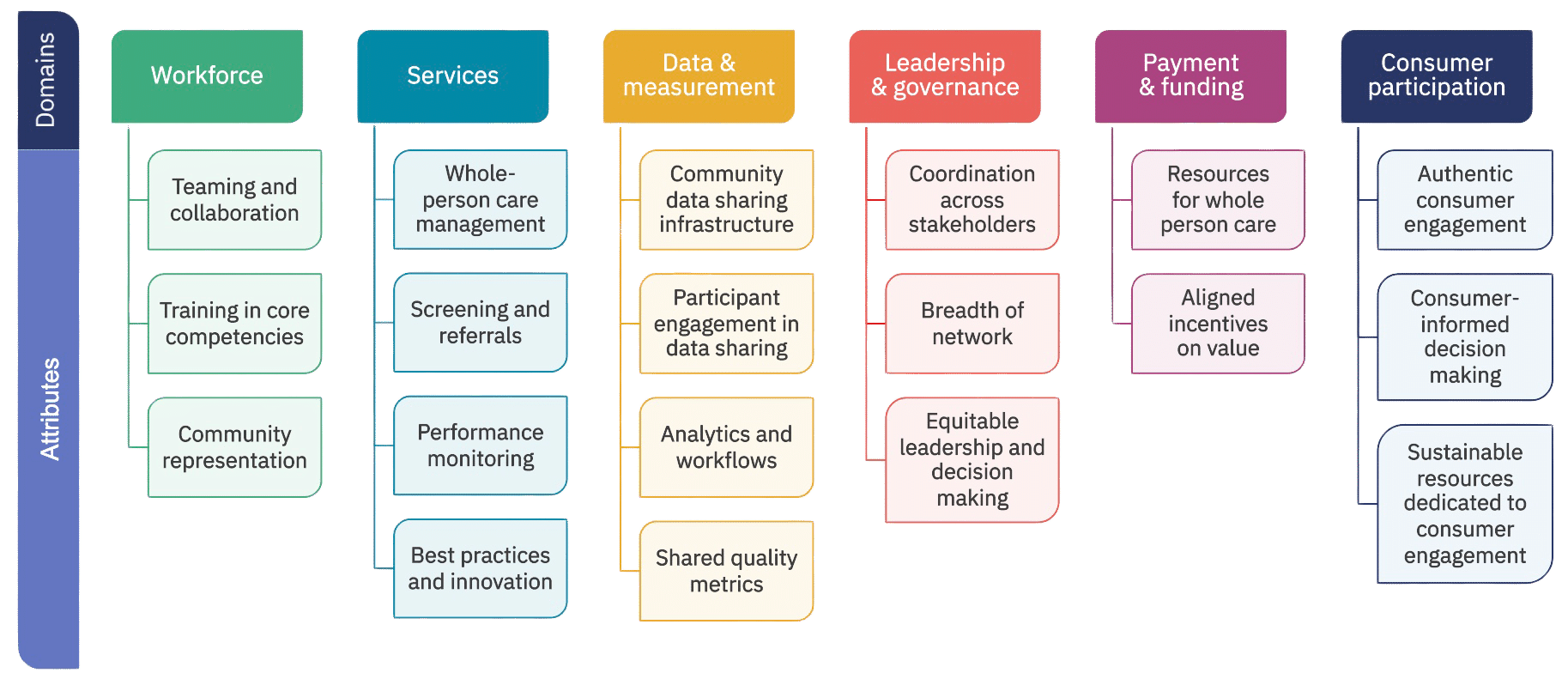
Image: Consumer Ecosystem Analysis
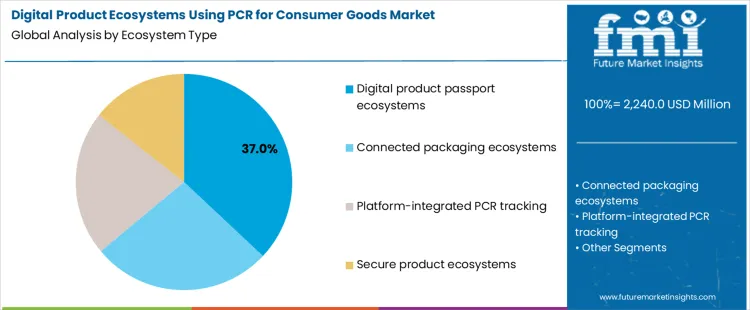
Infrastructure reliability is the final pillar. This involves monitoring node uptime, latency, and consensus finality times. Even a busy network fails if transactions are slow or inconsistent. Reliable infrastructure builds trust, which is the foundation of any sustainable consumer ecosystem. Without it, user retention drops quickly.
Building a resilient consumer strategy
Infrastructure alone does not guarantee adoption. To build a resilient Web3 ecosystem, you must align technical stability with actual user behavior. This strategy moves beyond abstract metrics to focus on the tangible friction points that determine whether a platform survives or fades.
Identify every node in your network, from liquidity providers to end-users. Understand where value is created and where it leaks. This mapping reveals dependencies that could collapse under market stress.
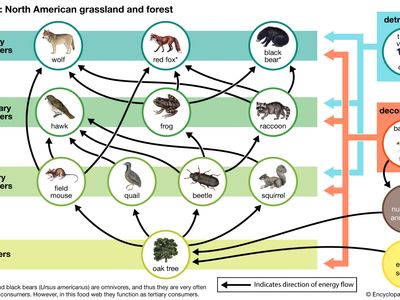
Simulate high-volume scenarios and sudden exit events. Resilience is not about average performance; it is about survival during extreme volatility. Ensure smart contracts and bridges can handle peak loads without degrading user experience.
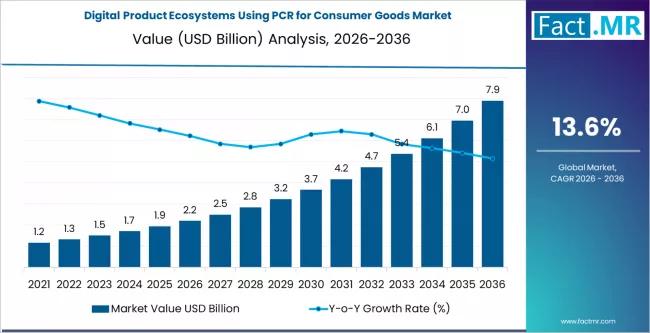
Reduce the cognitive load for new users. If a consumer cannot complete a transaction in three steps or less, you have lost them. Prioritize account abstraction and seamless fiat on-ramps to lower the barrier to entry.
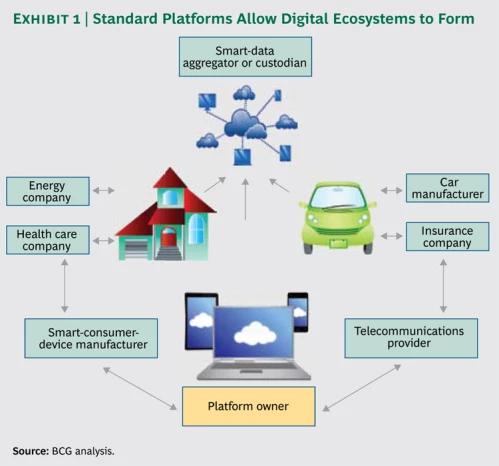
Track real-time metrics like active addresses and transaction latency. Static reports are useless for dynamic markets. Use live dashboards to detect anomalies before they become systemic failures.
Ensure that developers, validators, and users all benefit from network growth. Misaligned incentives lead to centralization and security risks. Design tokenomics that reward long-term participation over short-term speculation.
This framework turns infrastructure insights into actionable strategy. By focusing on these five pillars, you create an ecosystem that is not just technically sound, but economically durable and user-centric.
No comments yet. Be the first to share your thoughts!