Defining the modern consumer ecosystem
The digital landscape has shifted from isolated transactions to integrated ecosystems. Today’s consumers expect a frictionless experience where services connect seamlessly across devices and platforms. This isn’t just about convenience; it’s about trust and security in an always-on world.
Key shift: Consumers now expect seamless, secure, and integrated experiences across digital touchpoints, moving beyond simple transactional relationships.
According to recent analysis by EU Reporter, the rise of "vetted" entertainment and service spaces marks a new standard. Users are no longer satisfied with fragmented apps; they demand environments where safety and utility are pre-verified. This "vetted" approach reduces the cognitive load of managing disparate services, creating a smoother user journey.
From a financial and protection standpoint, the Consumer Protection Guide by CGAP emphasizes an ecosystem approach. Rather than viewing each interaction in isolation, regulators and providers are now treating the entire digital journey as a single unit of accountability. This means that data privacy, transaction security, and service reliability are interconnected pillars. For the 2026 market, success depends on building these vetted, frictionless pathways that protect the consumer while delivering value.
Infrastructure layers powering Web3 growth
Web3 consumer products fail without invisible scaffolding. The infrastructure must be both vetted—meeting strict compliance and security standards—and frictionless, allowing users to interact with decentralized assets without feeling the technical weight. This dual requirement defines the 2026 standard for scalable consumer ecosystems.
Security is no longer a feature; it is the foundation. Official frameworks from organizations like CGAP emphasize an ecosystem approach to consumer protection, ensuring that financial providers and platform operators share responsibility for user safety. When infrastructure handles identity verification and transaction auditing automatically, users experience a seamless layer of trust that traditional banking struggles to replicate.
Scalability ensures that this trust remains accessible. As adoption grows, the underlying network must handle volume without degrading performance. We are seeing a shift toward modular architectures where specific layers handle computation, data availability, and settlement independently. This separation allows consumer apps to scale horizontally while maintaining the integrity of the core ledger.
The market sentiment for these underlying infrastructure tokens often mirrors broader adoption trends. Investors watch these networks not just for speculative value, but as indicators of real-world utility and technical maturity.
Essential tools for ecosystem management
Managing the 2026 digital landscape requires more than just a browser; it demands a curated stack of security and analytics tools. The standard today is "vetted" infrastructure—software that has been rigorously audited for privacy leaks and data harvesting. Without these safeguards, consumers risk exposing financial data to increasingly sophisticated tracking networks.
The following tools represent the current baseline for frictionless and secure ecosystem management. They are selected for their ability to operate silently in the background while providing clear visibility into data flows.




As an Amazon Associate, we may earn from qualifying purchases.
These selections prioritize "vetted" providers that adhere to strict transparency standards. For businesses, integrating these tools reduces liability by ensuring that consumer data interactions occur within a controlled, encrypted environment. The frictionless nature of modern security tools means protection should not come at the cost of user experience.
Build a frictionless, vetted digital safety routine
The 2026 digital ecosystem requires a shift from passive usage to active verification. The goal is frictionless engagement: services that work seamlessly without compromising your security posture. According to EU Reporter, the modern standard relies on "vetted" entertainment and financial spaces where identity and data flows are pre-screened for legitimacy. This reduces the cognitive load of constantly questioning whether a platform is safe.
However, frictionless access often masks underlying risks. The Consumer Protection Guide from CGAP emphasizes an ecosystem approach, noting that individual safeguards are insufficient when the entire digital infrastructure is compromised. To maintain a safe routine, you must evaluate the tools you use daily. This involves checking for transparent data policies, verifying encryption standards, and ensuring that the platforms you engage with adhere to strict vetting protocols.
Step 1: Audit your primary digital touchpoints
Start by listing the five services you use most frequently for finance, communication, and entertainment. For each, verify that the provider holds current security certifications and has a clear, accessible consumer protection policy. If a platform lacks transparent data handling practices, it is not vetted for your safety.
Map out your primary digital services. Focus on those handling sensitive data like banking or personal identification. These are your highest-risk touchpoints and require the most rigorous vetting.
Step 2: Verify vetting credentials
Look for explicit indicators of vetting. In the 2026 standard, this means checking for third-party security audits, clear privacy labels, and compliance with regional regulations like the EU’s digital frameworks. Avoid platforms that obscure their ownership or data practices. A vetted service will proactively display its security posture.
Review the fine print. Does the platform clearly state how it protects your data? Look for certifications from recognized bodies. If the information is buried or missing, treat the platform as unvetted and seek alternatives.
Step 3: Implement frictionless security tools
Adopt tools that automate security without adding manual steps. Use password managers that generate and store complex credentials, enabling single-sign-on where possible. Enable multi-factor authentication (MFA) on all accounts, prioritizing hardware keys or authenticator apps over SMS. This creates a frictionless layer of protection that works in the background.
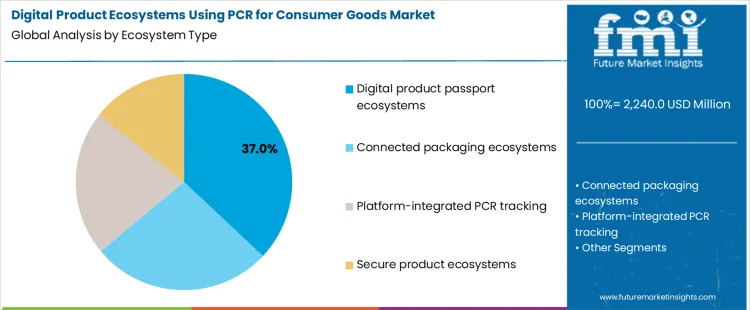
Set up password managers and MFA. These tools remove the friction of remembering complex passwords while significantly raising the barrier for unauthorized access. Consistency is key to maintaining a safe ecosystem.
Step 4: Monitor for ecosystem drift
Digital ecosystems evolve, and so do threats. Regularly review your connected apps and third-party integrations. Remove access for services you no longer use. Monitor your accounts for unusual activity, and subscribe to alerts from CGAP and other consumer protection bodies for emerging threats.
Conduct a quarterly review of your digital permissions. Revoke access for unused apps and services. Staying informed about new threats helps you adapt your routine before a vulnerability becomes a risk.
Frequently Asked Questions About Consumer Ecosystems
What defines a true consumer ecosystem in 2026? A modern consumer ecosystem is a frictionless digital environment where integrated tools streamline daily life. The 2026 standard prioritizes vetted platforms that ensure security and seamless interoperability across services, moving beyond isolated apps to unified experiences.
How do I identify a vetted and safe ecosystem? Look for platforms that adhere to strict consumer protection guidelines, such as those outlined by the EU Reporter. A vetted ecosystem provides transparent data practices and verified user spaces, ensuring that your interactions remain secure in an always-on digital world.
Why are integrated ecosystems better for consumers? Integrated ecosystems reduce friction by allowing data and services to work together smoothly. This connectivity enhances user experience by eliminating redundant steps, making financial and digital management more efficient and less prone to error.
No comments yet. Be the first to share your thoughts!