Defining the modern infrastructure stack
Consumer ecosystem infrastructure is the specialized technology stack built to run AI applications that serve millions of users simultaneously. Unlike general digital presence tools, this infrastructure prioritizes three non-negotiable metrics: scalability, sub-200ms latency, and penny-level compute costs. The goal is to deliver real-time, personalized experiences without breaking the bank or the user's attention span.
The distinction matters because "digital ecosystem" is often used loosely to describe any online network. In the context of consumer AI, the definition is tighter. As noted by industry researchers, a true digital ecosystem requires well-defined criteria that go beyond simple connectivity. It demands a architecture where components interact dynamically to create value, rather than just storing data. This means the infrastructure must handle complex, real-time interactions, not just static content delivery.
Scalability is the first pillar. The system must absorb sudden spikes in traffic—like a viral feature launch—without degrading performance. Latency is the second. If a consumer AI app takes more than 200 milliseconds to respond, the interaction feels sluggish, and users disengage. This speed requirement is not a luxury; it is a baseline for usability in high-stakes consumer markets.
Finally, cost efficiency determines viability. Penny-level compute costs ensure that personalized AI services remain profitable at scale. Without this economic discipline, even the most sophisticated AI models become unsustainable. This stack is not just about connecting users to apps; it is about building a resilient, fast, and economically sound foundation for the next generation of consumer technology.
Core Tools Powering Ecosystem Connectivity
Consumer ecosystem infrastructure has shifted from simple service delivery to complex, interconnected networks. The tools enabling this connectivity—API gateways, data pipelines, and AI orchestration platforms—form the backbone of what industry analysts now call "consumer infra." These components don't just support transactions; they actively manage the flow of information between third-party services and end users.
API Gateways: The Traffic Controllers
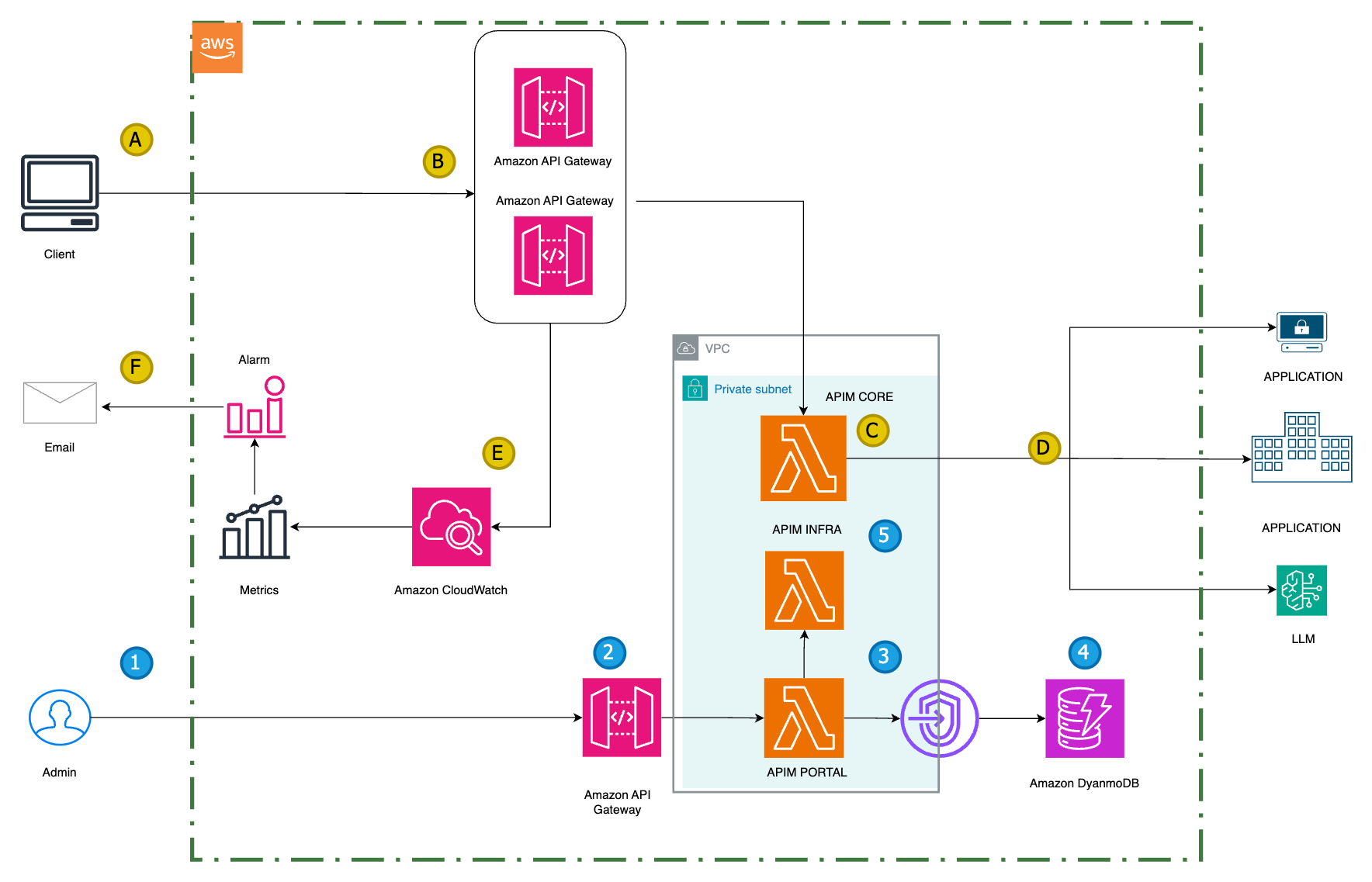
API gateways act as the single entry point for all consumer-facing interactions. They handle authentication, rate limiting, and protocol translation, ensuring that third-party integrations don't overwhelm core systems. For a consumer ecosystem, this means seamless access to diverse services without exposing internal architecture. The growth in API traffic within consumer tech sectors highlights the increasing reliance on these gateways to manage complex, multi-vendor interactions.
Data Pipelines: The Information Arteries
Data pipelines move information between disparate systems, ensuring that user behavior, transaction history, and preference data are available where needed. In a consumer ecosystem, this real-time data flow is critical for personalization and fraud detection. Without robust pipelines, the ecosystem becomes siloed, reducing its ability to offer a unified experience. The infrastructure must handle high volumes of structured and unstructured data without latency.
AI Orchestration Platforms: The Decision Engines
AI orchestration platforms coordinate the intelligent actions taken across the ecosystem. They analyze data from pipelines and trigger responses through APIs, such as recommending a product or flagging suspicious activity. This layer transforms raw connectivity into actionable insights. As consumer expectations rise, the ability to orchestrate these AI-driven interactions in real-time becomes a primary differentiator for infrastructure-first consumer companies.
Mapping value in consumer ecosystem infrastructure
Building a modern consumer ecosystem infrastructure requires more than just maintaining an online presence. It demands a strategic framework that maps where value concentrates and plans future positions within that network. According to Platform Thinking Labs, developing an ecosystem strategy involves mapping the ecosystem, understanding value concentration, and strategizing future positions to capture that value effectively [src-serp-3].
This approach shifts the focus from isolated transactions to hyper-connected retail models. Businesses must identify the nodes where customer data, loyalty, and revenue intersect, ensuring their infrastructure supports seamless interaction across these touchpoints.
Traditional Digital Presence vs. Hyper-Connected Infrastructure
The transition from a basic digital storefront to a fully integrated ecosystem infrastructure changes how value is captured and retained. The table below compares the operational and strategic differences between these two models.
| Feature | Traditional Digital | Hyper-Connected Ecosystem |
|---|---|---|
| Customer Data | Siloed within channels | Unified across touchpoints |
| Revenue Model | Transaction-based | Recurring and cross-sell |
| Integration | Limited API usage | Deep third-party integration |
| Customer Journey | Linear and fragmented | Non-linear and personalized |
| Scalability | Linear growth | Network-effect growth |
Essential Tools for Ecosystem Implementation
To build this infrastructure, businesses need specific tools that enable connectivity and data synchronization. The following products represent core components often used in developing these systems.


As an Amazon Associate, we may earn from qualifying purchases.
The rise of infrastructure-first consumer companies
The traditional boundary between business-to-business (B2B) technology and business-to-consumer (B2C) products is dissolving. A new category of companies is emerging—those driven by scalable infrastructure rather than just brand appeal. We can call this "consumer infra." These firms build the underlying digital rails that other consumer businesses rely on, yet they often interact directly with end-users to validate their models.
This shift is not just about technology; it is about economic structure. Businesses are now leveraging digital infrastructure in unprecedented ways, fostering new economic models that enable greater innovation across the entire ecosystem. The value lies in the network effects created by these foundational layers, which lower barriers to entry for smaller players while creating significant moats for the infrastructure providers themselves.
Market research indicates that investors are increasingly rewarding companies that demonstrate this dual capability: robust backend infrastructure paired with seamless consumer experiences. This approach reduces customer acquisition costs over time and increases lifetime value, as users become dependent on the ecosystem rather than a single product feature.
Frequently asked questions about ecosystems
Consumer ecosystems are often misunderstood as simple loyalty programs or app stores. In reality, they represent complex infrastructural networks where value is co-created across multiple independent entities. Understanding the distinction between biological definitions and digital business models is essential for analyzing the 2026 market landscape.
When analyzing consumer ecosystems, it is critical to distinguish between the biological definition of an ecosystem and its digital application. Digital ecosystems, as defined by researchers like M. Koch (2022), rely on well-defined criteria for interaction and value exchange among independent actors. Unlike biological systems, these digital structures are engineered for scalability and data monetization, making them distinct from the natural world's ecological categories.
No comments yet. Be the first to share your thoughts!