Defining the consumer ecosystem
Consumer ecosystem analysis goes beyond simple market research or demographic segmentation. It maps the complex web of interactions between users, platforms, and third-party services that define modern digital commerce.
Traditional market research often treats consumers as static data points. In contrast, ecosystem analysis treats them as active nodes in a dynamic network. This approach reveals how value flows through the system—how a user’s decision to adopt a platform influences their engagement with affiliated services, payment processors, and content providers.
The core unit of study is the interaction itself. By mapping these connections, analysts can identify bottlenecks, leverage points, and emerging trends that static surveys miss. This infrastructure-level view is essential for understanding long-term consumer behavior in an increasingly interconnected digital landscape.
Core infrastructure components
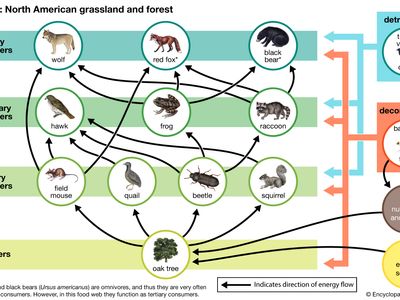
Building a durable consumer ecosystem requires more than just an app; it demands a layered technical foundation. Think of the infrastructure like an ecosystem’s food web: data is the energy, identity is the species, and interoperability is the environment that allows them to interact. Without these pillars, the system collapses under its own weight.
The Data Layer
Data is the lifeblood of any modern consumer ecosystem. It fuels personalization, drives operational efficiency, and creates the feedback loops that keep users engaged. However, raw data is useless without structure. The data layer must handle ingestion, storage, and processing at scale, ensuring that information flows seamlessly from edge devices to centralized analytics.
This layer isn't just about storage; it's about context. How does a purchase in one service inform a recommendation in another? The answer lies in unified data models that respect privacy while maximizing utility. Companies like Snowflake and Databricks have set standards for this, but the real challenge is governance. Who owns the data? How is it shared? These aren't just technical questions; they are strategic ones.
Identity Solutions
Identity is the anchor. In a fragmented digital landscape, users juggle dozens of accounts. A robust identity solution—whether centralized or decentralized (DID)—allows for seamless access across services without compromising security. It’s the difference between logging in with a password and clicking a link once.
The shift toward decentralized identity is gaining traction. It gives users control over their own credentials, reducing the risk of mass breaches. But it also requires a new trust model. Who verifies the identity? How do services trust a claim without a central authority? These are the open questions driving innovation in this space.
Interoperability Standards
Interoperability is the glue. Without it, ecosystems become walled gardens, trapping users and stifling innovation. Standards like OAuth 2.0 for authorization or FHIR for healthcare data enable different systems to talk to each other. They are the invisible protocols that make the ecosystem feel like a single, cohesive experience.
Getting interoperability right is hard. It requires buy-in from multiple stakeholders and a willingness to open up proprietary systems. But the payoff is huge. It expands the addressable market, reduces friction, and creates network effects that benefit everyone. As ProMarket notes, ecosystem analysis is often ill-defined, but clear standards are the only way to make it work.
Visualizing the Flow
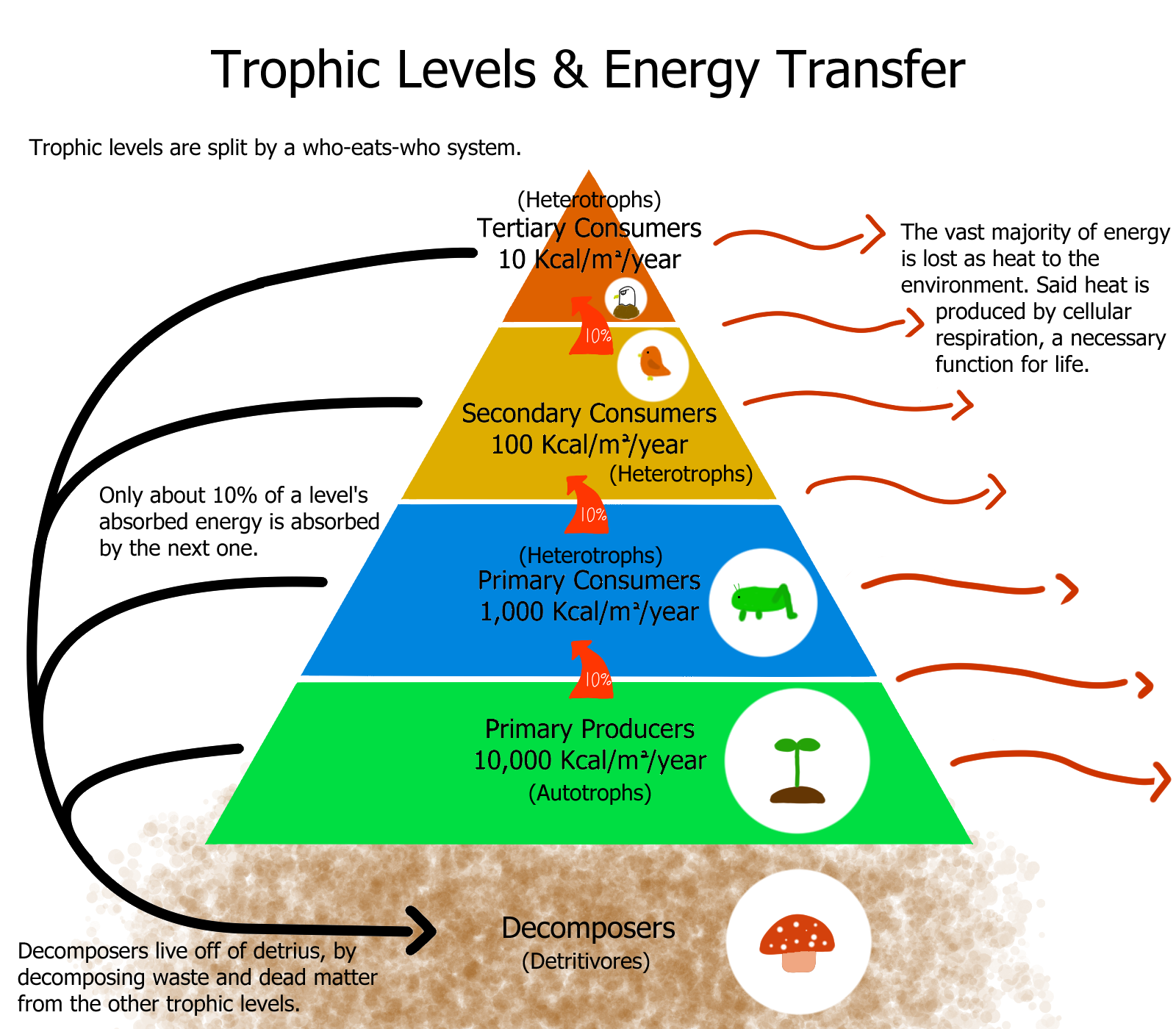
To understand how these components interact, it helps to visualize the flow of value. The TechnicalChart below illustrates a typical Web3 consumer ecosystem, where data, identity, and interoperability layers converge to create a user-centric experience. Notice how the layers build on each other, much like trophic levels in a biological ecosystem.
Compare analysis methodologies
Choosing the right ecosystem framework depends on whether you need to map structural dependencies or forecast market shifts. Network analysis methodologies focus on the direct and indirect connections between nodes, revealing how a disruption in one part of the infrastructure ripples through the system. This approach is essential for understanding the robustness of supply chains and digital platforms where node interdependence dictates stability.
Conversely, market and business ecosystem analysis examines the broader strategic landscape, including customer profiles, value propositions, and competitive dynamics. This method helps identify key decision-makers and emerging opportunities within specific sectors, such as mobility planning or enterprise software. By combining network topology with strategic market data, analysts can build a more complete picture of consumer infrastructure.
The table below compares these primary approaches based on their data requirements, analytical complexity, and the clarity of their output.
| Methodology | Data Focus | Complexity | Primary Output |
|---|
Start by auditing existing data flows against emerging privacy standards. If your infrastructure cannot guarantee user sovereignty over personal data, it will struggle to retain engagement in 2026. Focus on concrete examples: use official source documentation to validate protocol security, and prioritize clear, accessible interfaces that demystify the technology for everyday users. The goal is simplicity, not complexity.
No comments yet. Be the first to share your thoughts!