Defining the modern consumer ecosystem
The digital finance landscape has shifted from a collection of isolated apps to an interconnected web of services. In 2026, the consumer ecosystem is no longer just about having a wallet or a bank account; it is about how these tools communicate, verify identity, and protect user data across platforms. This integration is driven by regulatory frameworks and the need for seamless interoperability between Web3 protocols and traditional financial infrastructure.
This shift is grounded in what industry leaders call the "Responsible Digital Finance Ecosystem." As outlined by organizations like CGAP, this approach moves beyond simple consumer protection to create an environment where providers, regulators, and users share accountability. The goal is to build trust through transparency rather than relying on opaque algorithms or closed-loop systems.
For the consumer, this means fewer security gaps and clearer recourse when things go wrong. It also means that the "ecosystem" is not just a marketing term, but a structural reality where your digital assets and data are managed through standardized, auditable pathways rather than proprietary black boxes.
Infrastructure trends shaping 2026 adoption
The digital finance landscape in 2026 is defined by a shift from speculative growth to structural stability. Infrastructure is no longer just about speed; it is about trust, interoperability, and regulatory compliance. For consumers, this means the underlying rails of the ecosystem are becoming more robust, transparent, and integrated with traditional financial standards.
Privacy and Data Sovereignty
Privacy has moved from a niche concern to a foundational requirement. New standards emphasize data sovereignty, allowing users to control their digital identity without sacrificing utility. This shift is driven by both consumer demand and regulatory pressure, particularly in markets like the EU, where frameworks are tightening around how digital assets and personal data intersect. The goal is a "vetted" ecosystem where transparency is built into the protocol, not just the user interface.
Interoperability and Cross-Chain Standards
Fragmentation remains a hurdle, but 2026 is seeing a push toward seamless interoperability. Major blockchains are adopting common standards for asset transfer and communication, reducing the friction of moving value between networks. This technical convergence is critical for mass adoption, as it allows financial applications to operate across multiple chains without requiring users to navigate complex bridges or manage multiple wallets. The focus is on creating a unified experience that feels like a single, cohesive network.
Regulatory Compliance as Infrastructure
Compliance is no longer an afterthought; it is embedded in the infrastructure. Real-time transaction monitoring and automated reporting tools are becoming standard for financial service providers. This shift ensures that digital finance operates within legal boundaries while maintaining efficiency. For the consumer, this means greater protection against fraud and illicit activities, fostering a more secure environment for everyday transactions.
The market is reflecting these structural changes. As infrastructure matures, investor sentiment is shifting from short-term speculation to long-term utility. The chart above illustrates the recent stability in the Ethereum network, a key indicator of the broader health of Web3 infrastructure. This stability is essential for the next wave of consumer adoption.
How consumer protection shapes digital finance
Market research is shifting from pure growth metrics to a framework that prioritizes safety and trust. In digital finance, this means evaluating platforms not just by their yield or speed, but by how they handle data privacy, dispute resolution, and regulatory compliance. The responsible digital finance ecosystem, as outlined by organizations like CGAP, emphasizes an approach where consumer protection is woven into the infrastructure rather than treated as an afterthought.
This evolution is critical for both traditional and Web3 users. Traditional finance relies on established regulatory bodies and insurance schemes, while Web3 is developing new standards for transparency and code audits. Understanding these differences helps consumers navigate high-stakes financial decisions with clearer eyes.
Comparing protection frameworks
The table below outlines the key differences in how consumer protection is handled across traditional and Web3 financial environments.
| Feature | Traditional Finance | Web3 / DeFi | Hybrid / Regulated |
|---|---|---|---|
| Dispute Resolution | Bank-led, formal process | Smart contract code / DAO vote | Hybrid: AI + human review |
| Data Privacy | Regulated (GDPR/CCPA) | Pseudonymous / Public ledger | Zero-knowledge proofs |
| Insurance Coverage | FDIC / SIPC up to limits | Protocol-specific / None | Custodial insurance policies |
| Regulatory Oversight | Centralized agencies | Decentralized / Evolving | Licensed custodians |
These distinctions highlight why market research must be nuanced. A platform might offer high yields but lack the dispute resolution mechanisms that protect users in traditional banking. Conversely, traditional platforms may offer safety but lack the transparency and control that Web3 users seek.
Why this matters for your portfolio
As the financial landscape becomes more interconnected, the lines between these systems blur. Hybrid models are emerging that combine the security of traditional finance with the innovation of Web3. For consumers, this means staying informed about which protections apply to their assets and how to verify the claims made by financial providers.
The goal is not to avoid risk entirely, but to understand where it lies and how it is managed. By focusing on consumer protection frameworks, you can make more informed decisions that align with your financial goals and risk tolerance.
Essential tools for ecosystem navigation
Navigating the digital finance landscape requires more than just a wallet; it demands a toolkit that prioritizes security and clarity. The 2026 ecosystem is defined by fragmentation, where assets and data live across disconnected silos. To manage this, users need hardware that isolates private keys and dashboards that aggregate holdings without compromising privacy.
The foundation of any secure navigation strategy is a dedicated hardware wallet. Unlike software wallets that reside on internet-connected devices, hardware wallets sign transactions offline, creating a physical barrier against remote hacks. For most consumers, choosing a device with a clear screen and intuitive interface reduces the risk of signing malicious contracts—a common vector for loss.
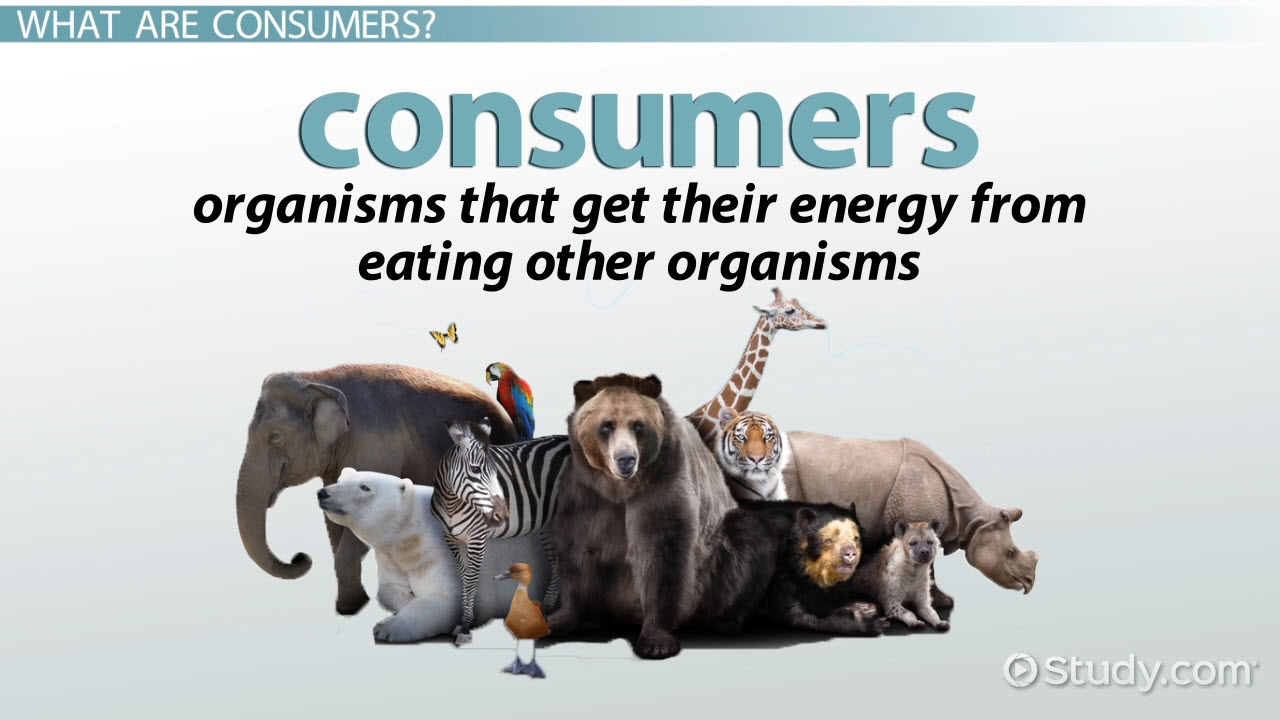
Beyond storage, visibility is critical. A fragmented ecosystem means your assets are scattered across multiple chains and DeFi protocols. Aggregator tools provide a unified view of your portfolio, allowing you to track performance and gas fees in one place. This reduces the cognitive load of managing a complex digital life.


As an Amazon Associate, we may earn from qualifying purchases.
Start with a hardware wallet to secure your primary holdings. Pair it with a reputable portfolio tracker to maintain visibility. This combination provides the security of cold storage with the convenience of hot wallet interactions, ensuring you remain in control of your digital assets.
Building a responsible digital finance strategy
Evaluating your exposure in the digital finance ecosystem requires moving beyond hype to verify the actual infrastructure supporting your assets. The Responsible Digital Finance Ecosystem framework emphasizes that resilience comes from understanding the relationships between providers, regulators, and users rather than relying on isolated product features src-serp-2.
Follow these steps to audit your current holdings and build a more defensive posture.
Before integrating any new protocol or service, confirm its registration status with relevant financial authorities. Unregistered entities often lack the oversight mechanisms that protect against fraud and insolvency.
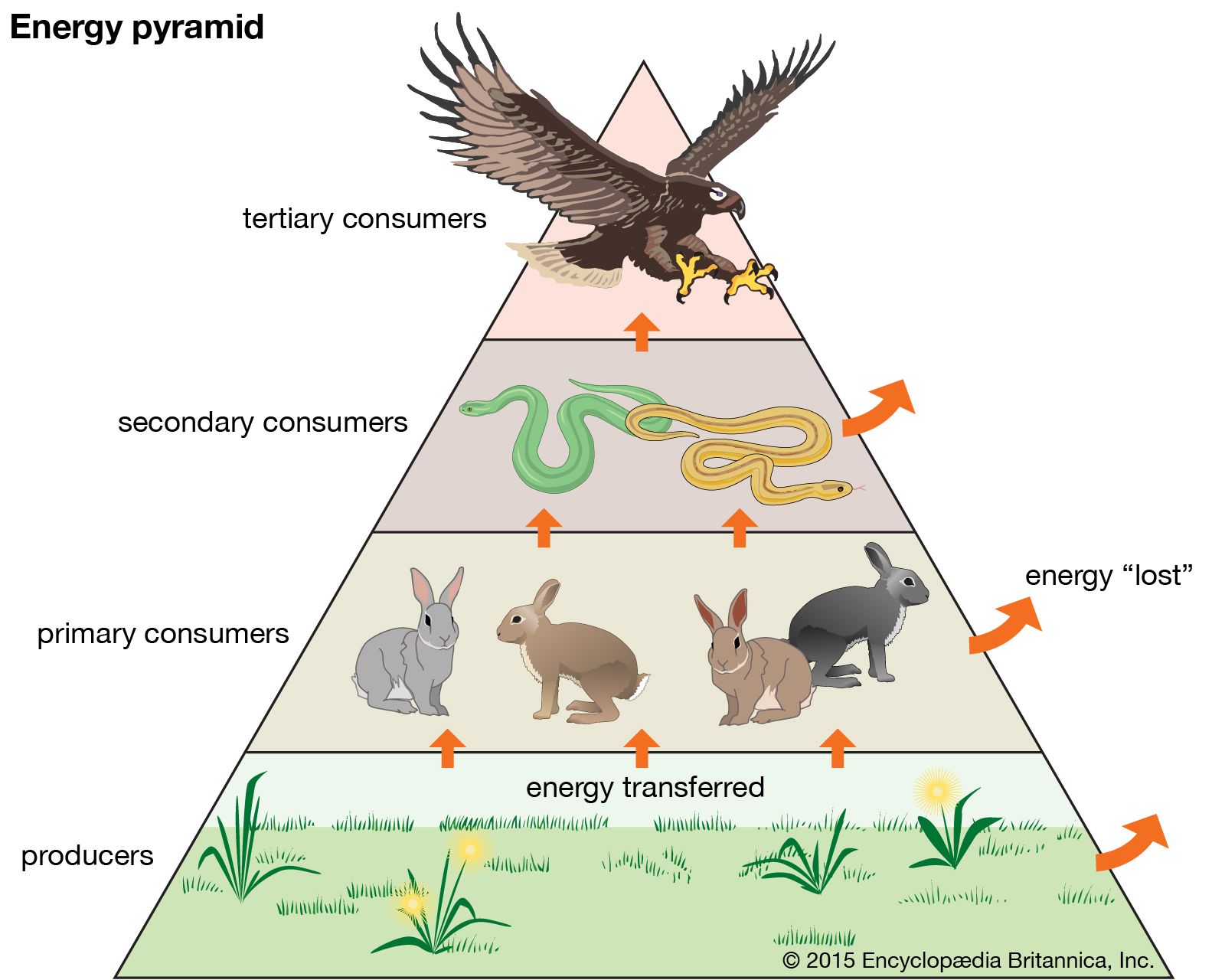
Check if your assets are held in audited contracts. Look for recent reports from reputable security firms and verify that the code has been live for a sufficient period without critical exploits.
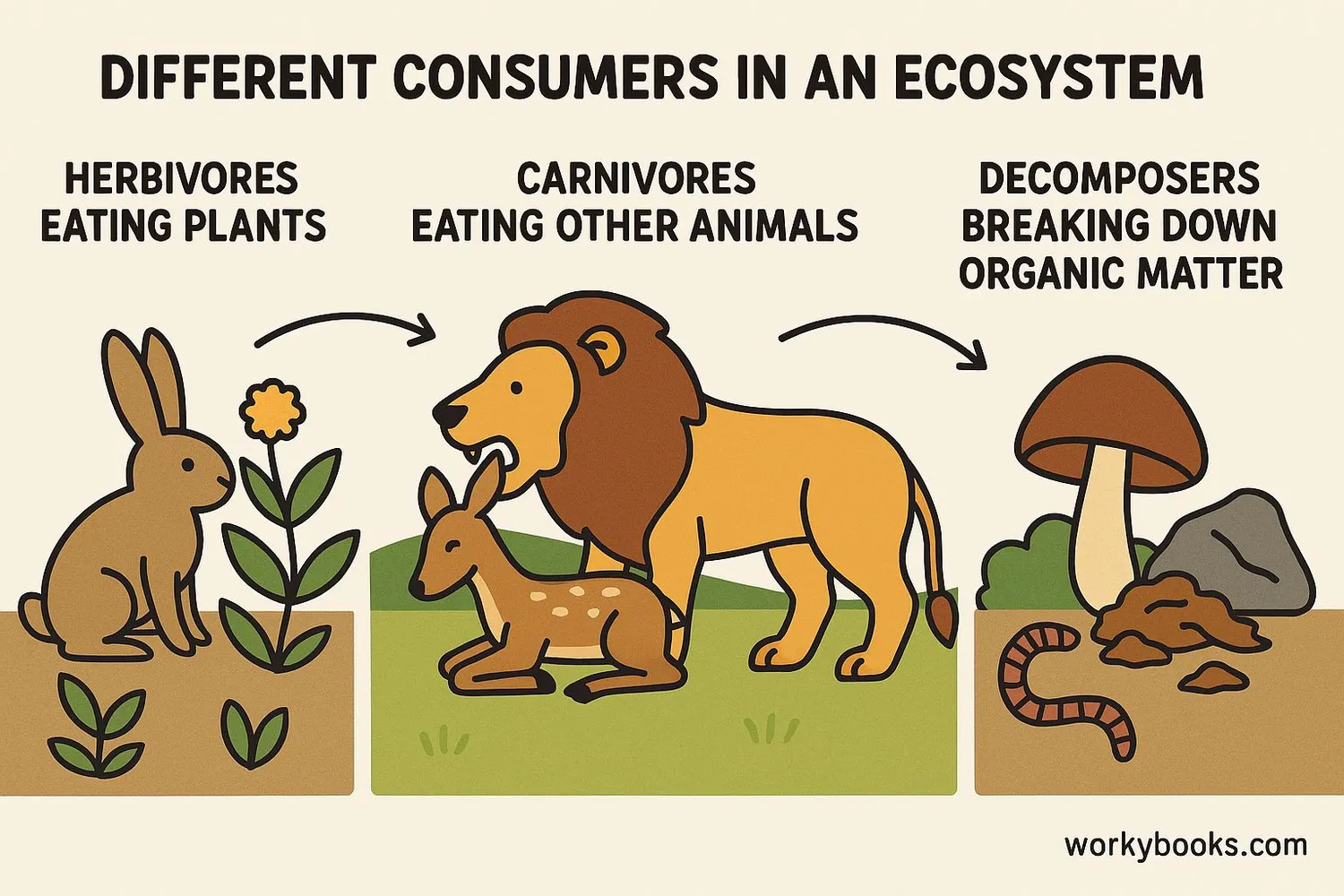
Avoid keeping all funds on a single exchange. Use a mix of self-custody hardware wallets and regulated custodians to mitigate the risk of a single point of failure.
Maintaining visibility into market conditions is essential for timing your entries and exits. The following chart provides a technical view of the broader market sentiment, which can inform your risk management decisions.
Frequently asked questions about the consumer ecosystem
What is a consumer ecosystem in finance? In the context of digital finance, a consumer ecosystem refers to the interconnected network of platforms, services, and tools that allow users to manage their digital assets. Unlike isolated apps, these ecosystems integrate wallets, exchanges, and identity verification into a single workflow, allowing funds to move seamlessly between DeFi protocols and traditional banking rails.
How do I verify if a digital finance platform is safe? Safety in Web3 relies on transparency and code verification. Always check if a protocol’s smart contracts have been audited by reputable firms and if the project’s governance is decentralized. Look for official documentation and community consensus rather than marketing claims. If a platform promises guaranteed high returns with no risk, it is likely a scam.
What are the main risks of using a digital finance ecosystem? The primary risks include smart contract vulnerabilities, where code bugs can lead to fund loss, and regulatory uncertainty, which may affect the legality of certain services. Additionally, the irreversible nature of blockchain transactions means that sending funds to the wrong address or interacting with a malicious site results in permanent loss. Always use hardware wallets for significant holdings and verify URLs before connecting your wallet.
No comments yet. Be the first to share your thoughts!