Defining the modern consumer ecosystem
The digital landscape has shifted from isolated applications to interconnected networks. A Consumer Ecosystem guide for 2026 must account for this integration. Users no longer view banking, shopping, and social interaction as separate silos. They expect a unified experience where data and services flow seamlessly between platforms.
This shift changes how value is created and captured. According to PwC, successful business ecosystems rely on specific "ways to play" strategies that prioritize collaboration over competition. The focus is no longer just on acquiring a user, but on retaining them within a web of related services.
For investors and strategists, this means looking at infrastructure. The underlying connectivity between platforms determines the stickiness of the user base. A guide to this ecosystem must highlight these structural dependencies, as they drive long-term engagement and revenue stability in a high-stakes market.
The technical backbone of the consumer ecosystem guide
A Consumer Ecosystem guide isn't just about apps; it's about the invisible pipes that carry value. For Web3 to move from niche speculation to daily utility, three infrastructure layers must work together without friction. If any one of these fails, the entire experience collapses. We're talking about blockchains for settlement, oracles for real-world data, and wallets for identity. Think of this stack like a city's power grid: it needs to be stable, connected to the outside world, and accessible to every household.
Blockchains: The settlement layer
Blockchains act as the single source of truth. They don't just store transactions; they enforce the rules of the ecosystem. For consumer applications, reliability is non-negotiable. A glitch here isn't an inconvenience; it's a loss of trust. Layer 2 solutions have become critical in this regard, offering the scalability needed for micro-transactions while inheriting the security of the base layer. This allows apps to handle thousands of interactions per second, a requirement for mainstream adoption.
Oracles: Connecting to reality
Smart contracts are blind to the outside world. Oracles bridge this gap, feeding real-world data like weather, sports scores, or currency exchange rates into the blockchain. Without oracles, Web3 apps remain isolated simulations. The reliability of these data feeds is paramount. If an oracle provides inaccurate data, the contract executes incorrectly, potentially leading to significant financial losses. This is why decentralized oracle networks are prioritized over single-point data sources.
Wallets: The user's key
The wallet is the only interface most consumers will ever see. It holds their identity, their assets, and their permissions. A poor wallet experience is the biggest barrier to entry. We're moving away from complex seed phrases toward social recovery and biometric authentication. The goal is to make the wallet feel as intuitive as a banking app, removing the technical hurdles that currently scare away non-technical users.
| Layer | Function | Failure Risk |
|---|---|---|
| Blockchain | Settlement & Trust | Total loss of funds |
| Oracle | External Data | Incorrect execution |
| Wallet | Identity & Access | Loss of access |
The health of this infrastructure directly impacts the stability of the broader market. As seen in the chart above, network activity and price action are often correlated, but underlying infrastructure improvements can decouple this relationship over time. A robust Consumer Ecosystem guide must account for these technical realities, ensuring that the tools we build are not just innovative, but durable.
Hardware wallets and security tools
Protecting your assets requires more than just strong passwords; it demands dedicated hardware that keeps your private keys offline. When navigating the Consumer Ecosystem guide, the first line of defense is a hardware wallet. These devices function like a safe for your digital currency, isolating your keys from internet-connected computers and smartphones where malware lurks.
For most users, a reputable hardware wallet is the non-negotiable core of any security strategy. Look for devices that support open-source firmware and have a track record of independent security audits. Avoid obscure brands with no public code repository. The goal is to have a physical device you control, not a cloud service you trust.
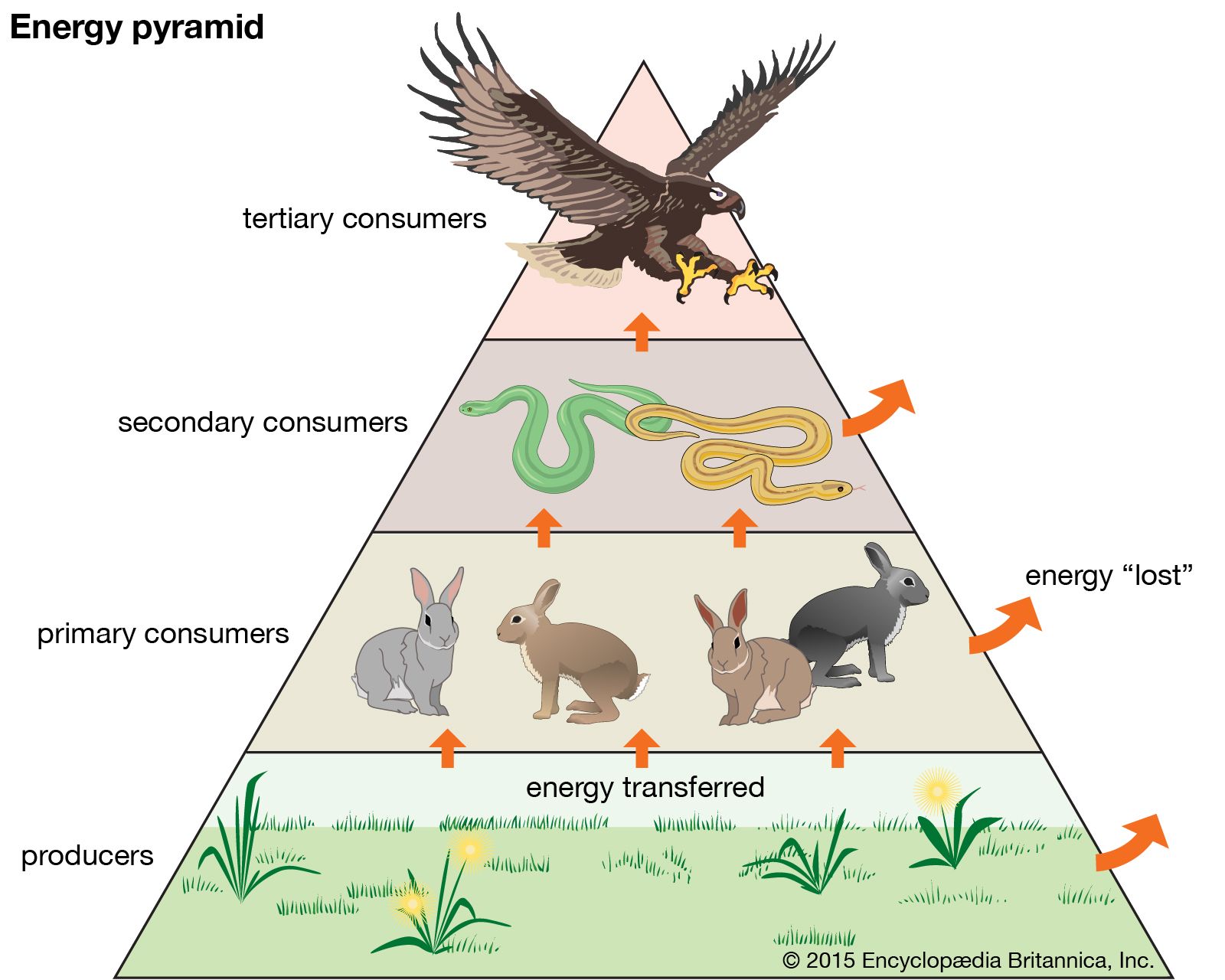
Beyond the wallet itself, consider the supporting tools that make daily management safer. A secure USB cable for initial setup, a spare recovery seed card written on metal for fire resistance, and a dedicated phone for transaction signing can significantly reduce risk. These are not optional luxuries; they are the infrastructure that supports your financial sovereignty.



As an Amazon Associate, we may earn from qualifying purchases.
While hardware wallets secure your assets, understanding the market context helps you manage risk. Live price data for major assets like Bitcoin and Ethereum can inform your decisions on when to move funds into cold storage or when to rebalance your portfolio. Keeping an eye on these metrics ensures your security tools are protecting assets of real, current value.
Strategy for sustainable adoption
Building a resilient position in the Consumer Ecosystem guide requires moving beyond simple transactional thinking. You need a framework that treats the ecosystem as a living network of dependencies, where risk and value shift based on how components interact. PwC’s research on business ecosystems highlights that successful engagement relies on clear "ways to play"—principles that define your role, boundaries, and value creation points within the broader network PwC.
To navigate this complexity, adopt a phased approach. This method allows you to test assumptions, manage exposure, and scale only when the infrastructure proves stable. Think of it as charting the evolution of an ecosystem: you must understand the unique value proposition at each stage before committing resources Insead.

Before engaging, map the critical nodes in the ecosystem. Identify which providers, platforms, or standards are non-negotiable for your use case. This isn’t just about listing vendors; it’s about understanding where single points of failure might exist. If a core component fails, does your entire operation collapse, or do you have alternatives? This audit forms the baseline for your risk profile.
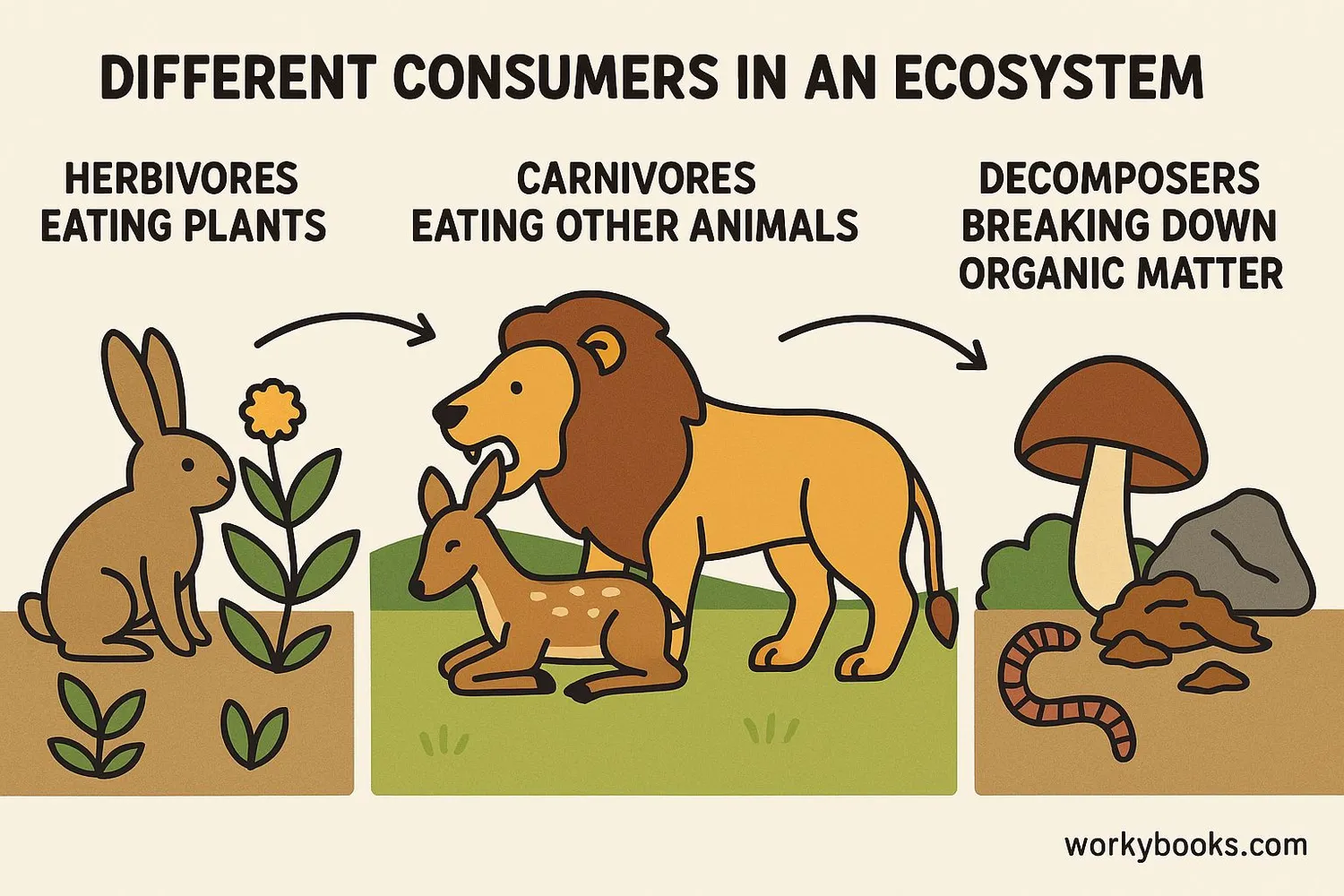
Based on PwC’s principles, clarify your strategic intent. Are you a platform owner, a niche specialist, or a complementary service provider? Your role dictates your risk exposure. A platform owner bears the burden of infrastructure maintenance, while a specialist might face higher switching costs. Align your operational model with your capacity to absorb volatility and invest in long-term relationships.
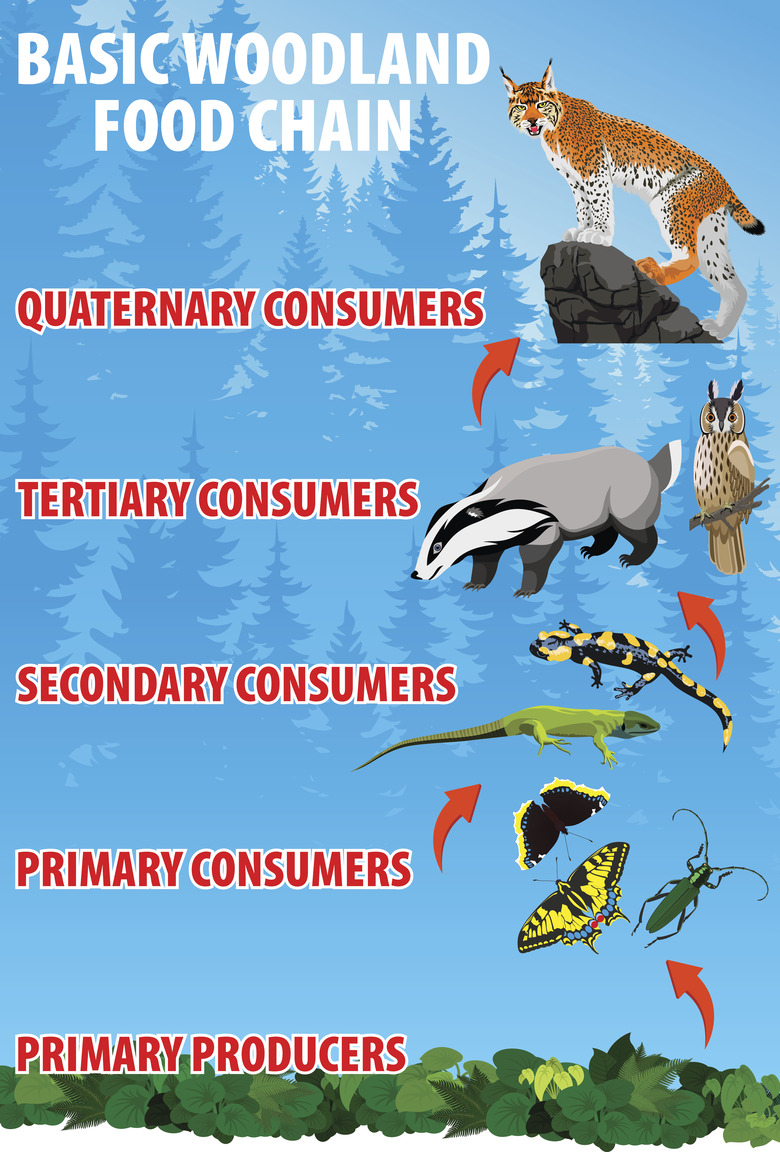
Avoid broad rollout. Launch a limited pilot to validate the ecosystem’s stability and your own integration points. This stage is about gathering data on latency, reliability, and user adoption rates. Use this period to identify friction points that aren’t visible in theoretical models. A small-scale failure here is a learning opportunity; a large-scale one is a liability.
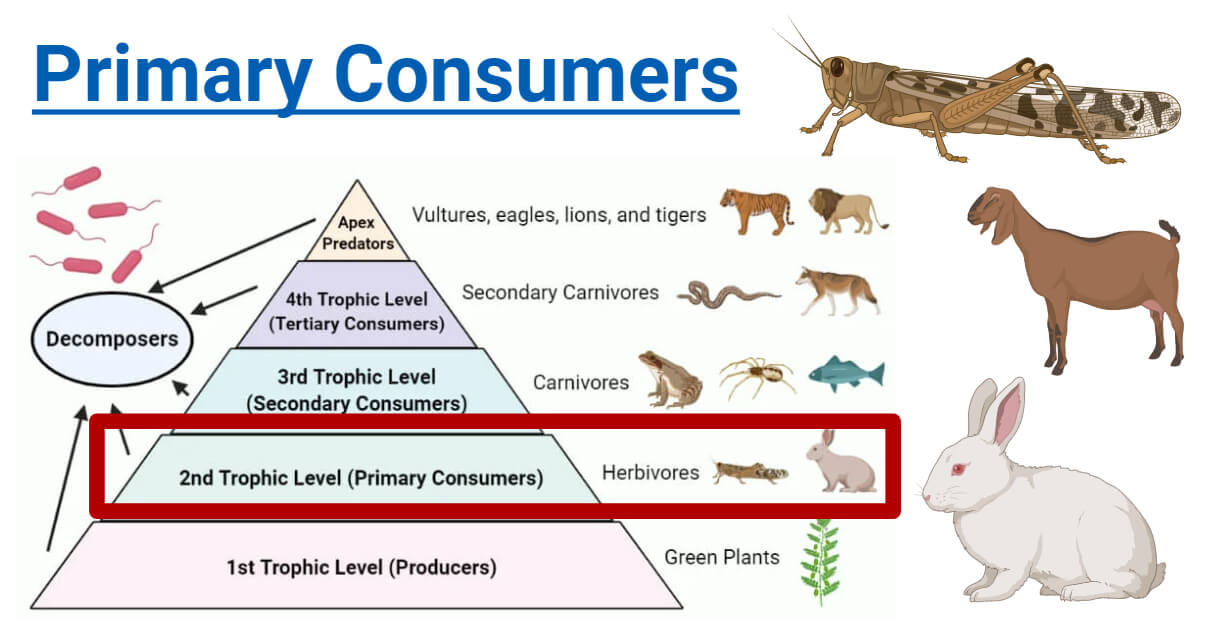
Ecosystems are dynamic. Competitors evolve, regulations change, and technology shifts. Establish continuous monitoring for key performance indicators that signal ecosystem health. If the value proposition shifts or new threats emerge, adjust your strategy accordingly. Sustainability isn’t a one-time setup; it’s an ongoing process of adaptation and refinement.
By following these steps, you transform the Consumer Ecosystem guide from a static reference into a dynamic tool for decision-making. This structured approach ensures that your adoption strategy is not just reactive, but proactive, positioning you to capture long-term value while minimizing unnecessary risk.
Your role in the digital finance ecosystem
In the modern Consumer Ecosystem guide, the focus often lands on infrastructure, but the system only functions when individuals take ownership of their digital footprint. Financial technology moves fast, and the burden of security doesn't rest solely with banks or app developers. You are the final checkpoint for fraud prevention and data privacy.
Responsibility here isn't just about reading terms of service. It involves proactive habits: verifying the legitimacy of a transaction before authorizing it, understanding the fees attached to digital payments, and recognizing that a receipt is just one form of proof among many. As noted by the Consumer Council, taking reasonable steps to examine what you are buying—and how you pay for it—is a baseline duty.
When you treat your digital wallet like a physical one, the risks diminish. This means using strong, unique credentials and monitoring accounts regularly. The ecosystem relies on this vigilance to maintain trust across the entire financial network.
No comments yet. Be the first to share your thoughts!