Defining the on-chain consumer layer
On-chain retail is not merely a digital ledger; it is a specialized infrastructure layer designed to bridge the gap between traditional consumer expectations and blockchain capabilities. The prevailing narrative often reduces this space to simple transactional rails, but the reality is far more complex. True on-chain retail requires a full ecosystem integration that mirrors the sophistication of traditional e-commerce, moving beyond the basic utility of crypto wallets to encompass identity, data management, and seamless payment flows.
As Mastercard notes, building the future of payments isn't just about laying down modern rails—it is about designing an ecosystem that can flex, adapt, and thrive in a world where consumer behavior is increasingly digital and decentralized [Mastercard]. This means the infrastructure must handle the friction points that have historically hindered mass adoption, such as complex key management and volatile settlement times, by abstracting them away from the end user.
The Institute for Digital Transformation emphasizes that building a consumer ecosystem through digital third-party access starts with defining core services that will be offered through the business [Institute for Digital Transformation]. In the on-chain context, this translates to a layered approach where the underlying blockchain provides security and transparency, while the consumer layer provides the intuitive interface and reliability expected in any modern retail environment. Without this specialized layer, on-chain retail remains a niche experiment rather than a viable commercial infrastructure.
To understand the scale of this shift, it helps to look at the market leaders investing in this infrastructure. The volatility of crypto assets often distracts from the steady growth of the underlying retail infrastructure providers. The chart above shows the performance of Coinbase Global, a proxy for the broader on-chain retail infrastructure market, highlighting how institutional interest in these foundational layers continues to grow despite market fluctuations.
For those looking to deepen their understanding of these complex systems, several key texts provide the necessary theoretical framework for building and analyzing these ecosystems.



As an Amazon Associate, we may earn from qualifying purchases.
Market dynamics and adoption signals
The narrative around blockchain has shifted from speculative trading to tangible utility, a transition that is now evident in the infrastructure layer. Consumer ecosystem infrastructure is no longer just about moving value; it is about creating the rails that allow retail participants to interact with digital assets seamlessly. This shift is driven by a demand for reliability and scalability, qualities that define modern payment ecosystems.
Mastercard’s recent insights on rethinking domestic ecosystems highlight that building the future of payments requires more than just laying down modern rails. It demands an ecosystem that can flex and adapt to the complex needs of a digital-first world. For consumer ecosystem infrastructure, this means integrating blockchain capabilities into existing retail frameworks without disrupting the user experience. The goal is to make the underlying technology invisible while ensuring the transaction is secure and instant.
The stability and volume of stablecoins serve as a primary indicator of this adoption. As seen in the chart above, the consistent trading volume of USDT against USDT reflects the deep liquidity that underpins retail crypto activity. This liquidity is essential for consumer ecosystem infrastructure, as it ensures that users can enter and exit positions with minimal friction. Without this depth, retail adoption would remain fragmented and inefficient.
The price widget above provides a live snapshot of the dominant stablecoin, reinforcing the connection between traditional financial metrics and blockchain utility. As consumer ecosystem infrastructure matures, these metrics will become standard benchmarks for evaluating the health of digital retail markets. The focus is shifting from hype to hard data, with infrastructure providers competing on performance and integration capabilities rather than just technological novelty.
Core components of the infrastructure stack
Building a consumer ecosystem on-chain requires more than just a smart contract; it demands a layered technical stack that mirrors traditional financial rails while leveraging decentralized advantages. At the foundation, three pillars interact to create a seamless, secure, and scalable environment: decentralized identity (DID), consumer data infrastructure, and stablecoin payment rails.
Identity and Data: The Trust Layer
Identity is the entry point. Without a verifiable digital identity, on-chain interactions remain anonymous and high-risk. Decentralized Identifiers (DIDs) allow users to control their own credentials, enabling selective disclosure of attributes like age or residency without exposing their entire history. This aligns with the Institute for Digital Transformation’s emphasis on defining core services through secure, third-party access frameworks that prioritize user consent.
Data infrastructure, often structured as a Consumer Data Warehouse (CDW) or Customer Data Platform (CDP), sits atop this identity layer. It aggregates on-chain behavior with off-chain signals to create a unified view of the consumer. As noted by industry analysts, modern data infrastructure must connect directly to analytics platforms to provide real-time visibility, ensuring that marketing and service delivery are personalized yet privacy-compliant. This data layer transforms raw blockchain transactions into actionable consumer insights.
Payments: The Transaction Layer
The final pillar is the payment rail. Stablecoins and bridges facilitate instant, low-cost settlements, bypassing the friction of traditional banking. However, the reliability of these rails depends on the underlying liquidity and bridge security. A robust payment system must handle high throughput with minimal latency, ensuring that the consumer experience feels as instantaneous as a credit card swipe.
The interplay between these components creates a resilient ecosystem. Identity verifies the user, data personalizes the experience, and stablecoins enable the transaction. When these layers are integrated, the result is a consumer infrastructure that is not only technologically advanced but also economically viable.
Infrastructure Comparison
The following table compares the primary infrastructure components by their operational characteristics.
| Component | Latency | Cost | UX Impact |
|---|---|---|---|
| DID Verification | Low | Low | High |
| CDW/CDP Data Sync | Medium | Medium | Medium |
| Stablecoin Payments | High | Low | High |
For professionals looking to deepen their understanding of these structural elements, the following resources provide foundational knowledge on ecosystem design and digital infrastructure.


As an Amazon Associate, we may earn from qualifying purchases.
Strategic tools for ecosystem builders
Building a consumer ecosystem infrastructure requires more than just a blockchain; it demands a suite of specialized tools that handle the complexity of on-chain retail. Builders rely on infrastructure-as-a-service platforms to manage the heavy lifting of node deployment and smart contract verification, allowing them to focus on user experience rather than backend maintenance. These platforms act as the foundational layer, ensuring that the ecosystem remains stable and scalable as transaction volumes grow.
Analytics dashboards provide the visibility needed to understand consumer behavior within the ecosystem. By tracking on-chain interactions, builders can identify friction points and optimize the journey from discovery to purchase. This data-driven approach is essential for retaining users and fostering long-term engagement, turning casual visitors into active participants in the economy.
Compliance tools are equally critical, especially as regulatory scrutiny increases. Automated solutions help builders manage the complex landscape of AML (Anti-Money Laundering) and KYC (Know Your Customer) requirements, ensuring that the ecosystem operates within legal boundaries. This proactive approach to compliance builds trust with both consumers and institutional partners, reducing the risk of costly penalties or shutdowns.

The market for these infrastructure tools is expanding rapidly, reflecting the growing demand for robust on-chain retail solutions. Investors and builders are closely watching the performance of key players in this space, as the success of the ecosystem depends on the reliability and efficiency of these underlying services.
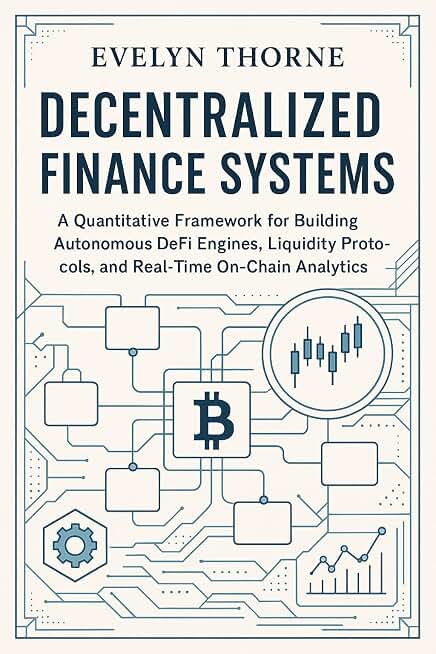
For builders looking to deepen their understanding of these strategic tools, several key resources provide valuable insights into ecosystem strategy and blockchain infrastructure.


As an Amazon Associate, we may earn from qualifying purchases.
Regulatory and security risk management
Building consumer ecosystem infrastructure for on-chain retail is a high-stakes endeavor. You are not just moving code; you are handling sensitive financial data and consumer assets. The margin for error is slim, and the regulatory landscape is shifting beneath your feet.
Compliance is your foundation. In finance and consumer protection, regulations like PSD2 in Europe or GDPR set the baseline. You must integrate these requirements into your architecture from day one, not as an afterthought. Mastercard emphasizes that modern payment ecosystems must be designed to adapt to evolving regulatory demands while maintaining trust. This means building flexible, compliant rails that can handle cross-border complexities without breaking.
Security is the other half of the equation. Consumer data is the new oil, and it attracts every kind of threat actor. You need robust encryption, strict access controls, and continuous monitoring. The OECD highlights that trust is the currency of digital ecosystems. Without it, your infrastructure is just a liability.
To stay ahead of these risks, consider investing in foundational knowledge. Understanding the legal and technical frameworks is essential for building resilient systems.


As an Amazon Associate, we may earn from qualifying purchases.
The market reflects the tension between innovation and regulation. As on-chain retail grows, so does the scrutiny. Keep your infrastructure compliant, secure, and adaptable.
Frequently asked questions on infrastructure
Building consumer ecosystem infrastructure for on-chain retail requires a flexible, adaptive network that integrates seamlessly with existing financial habits. As Mastercard notes, the future of payments lies in designing ecosystems that can thrive in complex, evolving markets rather than relying on isolated infrastructure. This approach prioritizes interoperability and user-centric design to ensure that on-chain transactions feel as natural as traditional retail.
What is the ecosystem approach to infrastructure design?
The ecosystem approach treats infrastructure as a living network rather than a static pipeline. It integrates ecological, economic, and social factors to create a resilient system that adapts to user behavior. In on-chain retail, this means building infrastructure that supports not just transactions, but the entire customer journey, from discovery to post-purchase engagement, ensuring long-term sustainability and growth.
How do third-party integrations impact consumer ecosystems?
Third-party access is the backbone of a robust consumer ecosystem. By allowing digital third-party services to connect with core platforms, businesses can offer a wider range of value-added services without building everything in-house. This modularity enables faster innovation and allows retailers to respond quickly to market changes, creating a more dynamic and responsive on-chain retail environment.
What are the main barriers to adopting on-chain retail infrastructure?
The primary barriers include regulatory uncertainty, technical complexity, and user adoption friction. While the technology is maturing, businesses must manage complex compliance landscapes and ensure that their infrastructure is accessible to non-technical users. Overcoming these hurdles requires a focus on user experience and clear communication of value, ensuring that the benefits of on-chain retail outweigh the perceived risks.
Why is interoperability critical for on-chain retail?
Interoperability ensures that different blockchain networks and traditional financial systems can communicate effectively. Without it, consumers face fragmented experiences, limiting the utility of on-chain assets. By prioritizing interoperable standards, retailers can create a seamless ecosystem where assets and data flow freely, enhancing liquidity and user convenience.
How does data privacy factor into ecosystem infrastructure?
Data privacy is a cornerstone of consumer trust in on-chain retail. Infrastructure must be designed to protect user data while enabling personalized experiences. This involves implementing robust security protocols and transparent data governance policies, ensuring that consumers feel safe engaging with on-chain services. As the Institute for Digital Transformation highlights, defining core services with privacy in mind is essential for building long-term consumer relationships.
No comments yet. Be the first to share your thoughts!