Defining the web3 consumer ecosystem
The web3 consumer ecosystem represents a structural shift in how value moves between users and platforms. In traditional digital markets, consumers are the product; data flows upward to centralized servers for value extraction via advertising or subscriptions. Web3 flips this dynamic by placing ownership of digital assets and identity directly in the user’s wallet. This is a change in the underlying infrastructure of trust and settlement, not merely a philosophical preference for decentralization.
At the core of this ecosystem is the blockchain, which acts as a public, immutable ledger. Unlike the siloed databases of Web2, blockchain infrastructure allows for interoperability. A digital item created in one application can be used, sold, or traded in another without needing permission from a central gatekeeper. This interoperability reduces friction and creates a network effect where the value of the ecosystem grows with each new user and application.
To understand the scale of this shift, it helps to look at the financial activity on the primary settlement layers. Ethereum, for example, processes billions in transaction volume monthly, serving as the backbone for everything from decentralized finance (DeFi) to non-fungible tokens (NFTs). The market dynamics of these assets reflect the growing institutional and retail participation in this new digital economy.
This infrastructure enables a new type of consumer relationship. Users aren’t just passive participants; they are stakeholders. By holding tokens or assets, they have a direct stake in the health and governance of the platforms they use. This alignment of incentives is what distinguishes the web3 consumer ecosystem from the traditional internet, creating a more resilient and user-centric digital environment.
Core infrastructure layers explained
The consumer web3 ecosystem relies on a layered technical stack. Each layer handles specific functions, from securing transactions to connecting on-chain data with real-world information. Understanding these components clarifies how scalability and user experience are achieved.
The foundation consists of Layer 1 (L1) blockchains and Layer 2 (L2) scaling solutions. L1s like Ethereum provide the base security layer. L2s, such as Arbitrum and Optimism, process transactions off the main chain to reduce costs and increase speed. This hierarchy allows applications to handle high volumes without overwhelming the base network.
| Layer | Throughput | Cost | Security Model |
|---|---|---|---|
| Layer 1 | Low | High | Highest (Base Layer) |
| Layer 2 | High | Low | Dependent on L1 |
Above the blockchain layer, wallets and oracles serve as the interface and data bridge. Wallets manage user identity and asset custody, translating complex cryptographic keys into usable interfaces. Oracles, such as Chainlink, feed external data like price feeds or weather events into smart contracts. This integration enables decentralized applications to function reliably with real-world inputs.
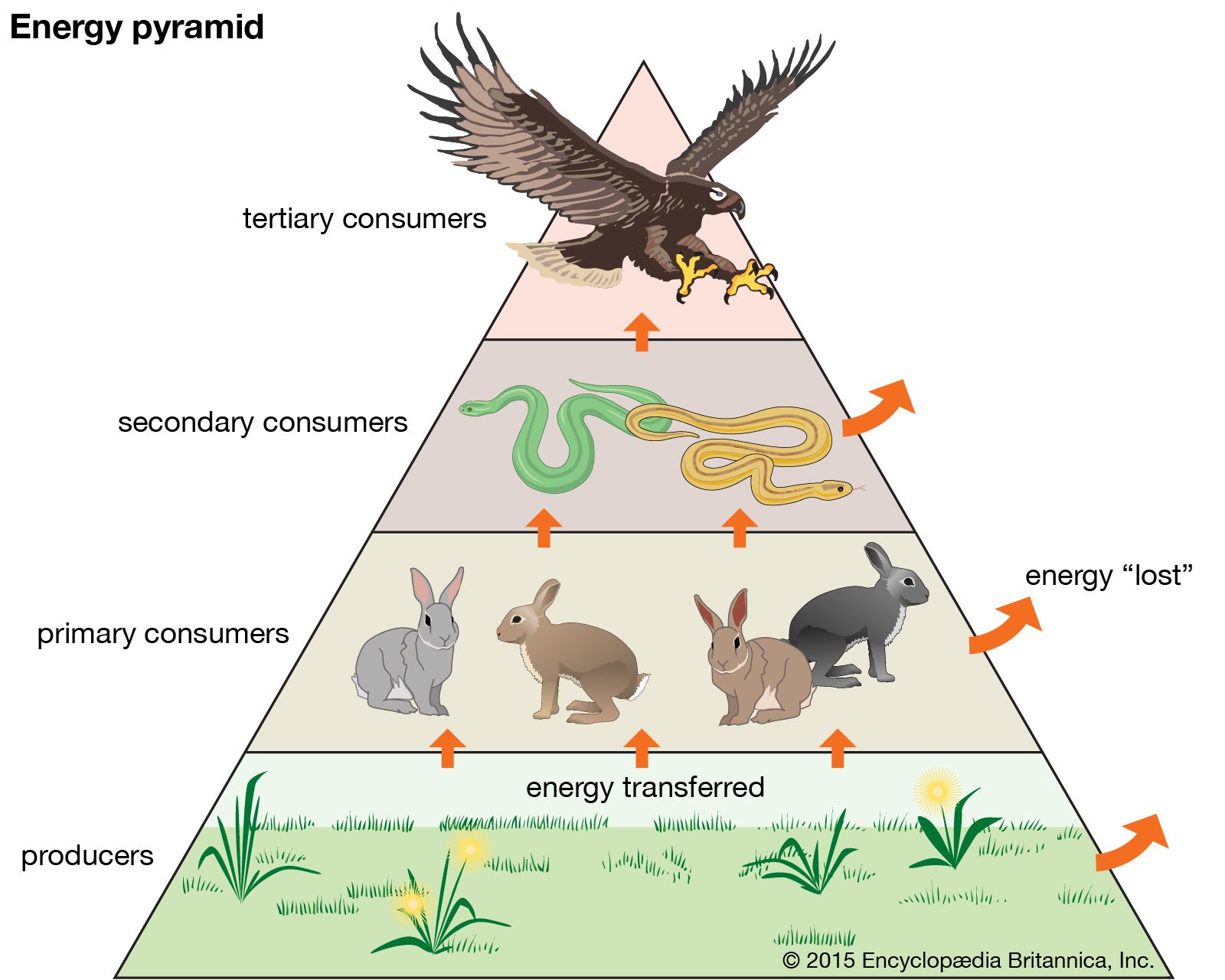
This infrastructure supports the broader consumer adoption model. Just as an ecosystem depends on producers, consumers, and decomposers, web3 relies on these technical layers to sustain activity. The L1 provides the energy source, L2s facilitate the flow, and oracles connect the system to external value.
Strategic tools for market research
Market research in Web3 requires a different toolkit than traditional finance. You cannot rely on standard surveys alone because on-chain behavior is public, transparent, and immutable. Professionals use specialized data aggregators to track wallet activity, token flows, and user engagement metrics in real time. These tools turn raw blockchain data into actionable intelligence, allowing teams to validate product-market fit before committing significant capital.
The foundation of this research is on-chain analytics. Platforms like Nansen, Dune Analytics, and Glassnode provide deep visibility into wallet classifications and capital flows. Nansen, for example, labels wallets as "smart money" or "influencers," letting researchers track what top-tier actors are buying and selling. Dune Analytics allows you to query raw SQL data from any EVM chain, enabling custom dashboards that track specific protocol metrics like daily active users or transaction volume. Glassnode focuses on macro-level Bitcoin and Ethereum metrics, offering insights into miner reserves, exchange inflows, and network health.
User behavior metrics go beyond simple transaction counts. Researchers look at retention rates, token velocity, and gas fee patterns to understand how users interact with a protocol. High gas fees might indicate scarcity or congestion, while low retention suggests a lack of product utility. Combining these behavioral signals with price action provides a complete picture of ecosystem health.
Real-time price data complements on-chain metrics. The widget above shows Ethereum's current market price, reflecting immediate sentiment. When analyzing a new protocol, comparing its token price against ETH or BTC helps isolate idiosyncratic risk from broader market movements. A protocol that holds its value during a market dip demonstrates stronger underlying demand.
To conduct effective research, start by defining your hypothesis. Are you testing user acquisition or retention? Then, select the right tool. Use Nansen for wallet labeling, Dune for custom queries, and Glassnode for macro trends. Cross-reference these data points with social sentiment to get a holistic view. This multi-layered approach reduces noise and highlights genuine adoption signals.
- Define your research hypothesis clearly.
- Select on-chain analytics tools based on your specific metrics needs.
- Cross-reference on-chain data with price action and social sentiment.
- Validate findings with multiple data sources to reduce bias.
Adoption barriers and user friction
Mass adoption of Web3 is currently stalled not by a lack of interest, but by significant structural friction. For the average consumer, the gap between blockchain potential and daily usability remains wide. Three primary barriers dominate the landscape: unpredictable transaction costs, complex user interfaces, and lingering regulatory ambiguity.
Gas fees and transaction costs
Gas fees represent the most immediate deterrent for everyday users. Unlike traditional payment networks where fees are often negligible or absorbed by the merchant, blockchain transactions require users to pay for computational resources directly. During periods of high network congestion, these costs can spike dramatically, making small transactions economically unviable.
This volatility creates a psychological barrier. Users hesitate to interact with decentralized applications (dApps) when they cannot predict the cost of a simple action. The lack of fee abstraction means that even minor interactions can feel financially risky, discouraging trial and repeat usage.
User experience complexity
The current user experience (UX) in Web3 is notoriously difficult for non-technical individuals. Managing private keys, seed phrases, and wallet addresses introduces a steep learning curve. A single mistake—such as sending tokens to the wrong address or losing a seed phrase—can result in the permanent loss of assets. There is no "forgot password" option in a decentralized system.
Managing multiple wallets, bridging assets between chains, and approving complex smart contract permissions create a fragmented experience. This friction contrasts sharply with the seamless, one-click experiences users expect from centralized fintech apps. Until Web3 interfaces become as intuitive as traditional banking apps, mainstream adoption will remain limited to early adopters and crypto-natives.
Regulatory uncertainty
Regulatory uncertainty adds another layer of risk for both consumers and developers. Inconsistent laws across different jurisdictions create a confusing environment. Users are often unsure whether their activities are legal, how their assets are taxed, or what protections exist in case of a hack or fraud.
This ambiguity stifles innovation. Traditional financial institutions are hesitant to integrate Web3 services without clear regulatory guidance, limiting the availability of familiar on-ramps and off-ramps. Until governments provide clear frameworks, many consumers will remain on the sidelines, preferring the perceived safety of regulated financial systems.
Compare infrastructure providers by use case
Web3 infrastructure is not one-size-fits-all. The right tool depends entirely on whether you prioritize speed, cost, or decentralization. A decentralized exchange (DEX) aggregator serves high-frequency traders, while a centralized exchange (CEX) gateway suits institutional custody needs. Using the wrong layer introduces latency or counterparty risk.
Use the table below to map your primary activity to the appropriate technical stack. This comparison focuses on the core tradeoffs: transaction throughput, finality time, and typical fee structures.
| Use Case | Provider Type | Throughput | Finality | Fee Model |
|---|---|---|---|---|
| High-Frequency Trading | Layer 2 Rollup | High | Seconds | Gas-optimized |
| Institutional Custody | Centralized Exchange | Internal | Minutes | Fixed % |
| Long-Term Storage | Cold Wallet | Low | Manual | None |
| DeFi Lending | Lending Protocol | Medium | Block-time | Variable % |
Evaluate real-time market conditions
Tool selection must account for current market volatility. During high-volatility periods, network congestion increases gas fees on Layer 1 chains, making Layer 2 solutions more cost-effective for frequent interactions. Monitor the dominant network's performance to adjust your strategy.
Secure your participation
Selecting the right software is only half the equation. Hardware security remains the baseline for any serious Web3 participant. The following tools represent the standard for secure key management and transaction signing.


As an Amazon Associate, we may earn from qualifying purchases.
No comments yet. Be the first to share your thoughts!