What is a consumer ecosystem?
When we talk about a "consumer ecosystem" in finance, we aren't referring to biology. This isn't about food chains or habitats. Instead, it describes the interconnected network of participants that enable digital financial services to function. Think of it as a digital marketplace where trust, data, and money flow between different actors.
At the center of this ecosystem are the consumers themselves—the individuals and businesses using financial tools. But they don't operate in a vacuum. They rely on a web of providers, including banks, fintech startups, payment processors, and regulatory bodies. Each piece plays a role in ensuring that transactions are secure, fair, and accessible.
The World Bank and the Consultative Group to Assist the Poor (CGAP) define this approach as one that looks at the entire environment, not just individual players. Their research highlights that for digital finance to be truly responsible, every actor—from the app developer to the regulator—must work together to protect the consumer.
In 2026, this ecosystem is more complex than ever. With the rise of decentralized finance and AI-driven services, the boundaries between traditional banking and tech platforms are blurring. Understanding how these pieces fit together is the first step toward building a system that works for everyone.
The Backbone of Responsible Finance
Building a responsible consumer ecosystem isn't just about good intentions; it requires a sturdy technical and regulatory skeleton. Without this infrastructure, transparency is impossible, and risk mitigation becomes a guessing game. The goal is to create an environment where financial products are safe, accessible, and fair, supported by systems that can withstand market shocks and protect users from predatory practices.
Risk Mitigation Through Data
At the core of this infrastructure is data. Regulators and financial institutions must rely on accurate, real-time data to assess risk. This isn't just about tracking transactions; it's about understanding the broader market context. For instance, monitoring major financial indices can reveal systemic risks before they become crises. A sharp decline in a key index like the S&P 500 often signals broader economic stress, prompting institutions to tighten lending standards or increase reserves.
This kind of visibility allows for proactive rather than reactive measures. When institutions can see the health of the market, they can adjust their risk models accordingly. It’s about creating a feedback loop where data informs policy, and policy, in turn, shapes market behavior. This cycle ensures that the ecosystem remains resilient, even when external pressures mount.
Regulatory Frameworks as Guardrails
Regulations act as the guardrails for this ecosystem. They set the standards for transparency, ensuring that consumers are not misled by complex financial products. Organizations like the Center for Global Development emphasize an ecosystem approach to consumer protection, highlighting the need for coordinated efforts among providers, regulators, and industry bodies. This coordination is essential for creating a level playing field where all actors adhere to the same high standards.
PriceWidget provides a glimpse into the current market sentiment, offering real-time data that can inform regulatory decisions. By keeping a pulse on market movements, regulators can identify trends that may require intervention. This dynamic approach to regulation ensures that the rules evolve alongside the market, rather than lagging behind it.
Transparency as a Currency
Finally, transparency is the currency of trust. In a responsible consumer ecosystem, transparency isn't just a buzzword; it's a practical necessity. Consumers need to understand the terms, risks, and benefits of the financial products they use. This clarity builds trust, which is the foundation of a healthy market. When consumers trust the system, they are more likely to participate, driving growth and innovation.
The infrastructure supporting this trust is built on rigorous data analysis, robust regulatory frameworks, and a commitment to transparency. By focusing on these pillars, we can create a financial ecosystem that is not only responsible but also sustainable and resilient for the long term.
Tools for consumer protection
Navigating digital finance requires more than just a bank account; it demands a toolkit that helps you verify claims, track spending, and understand what you are buying. While no single app solves every financial problem, specific resources can help you cut through the noise and make informed decisions.
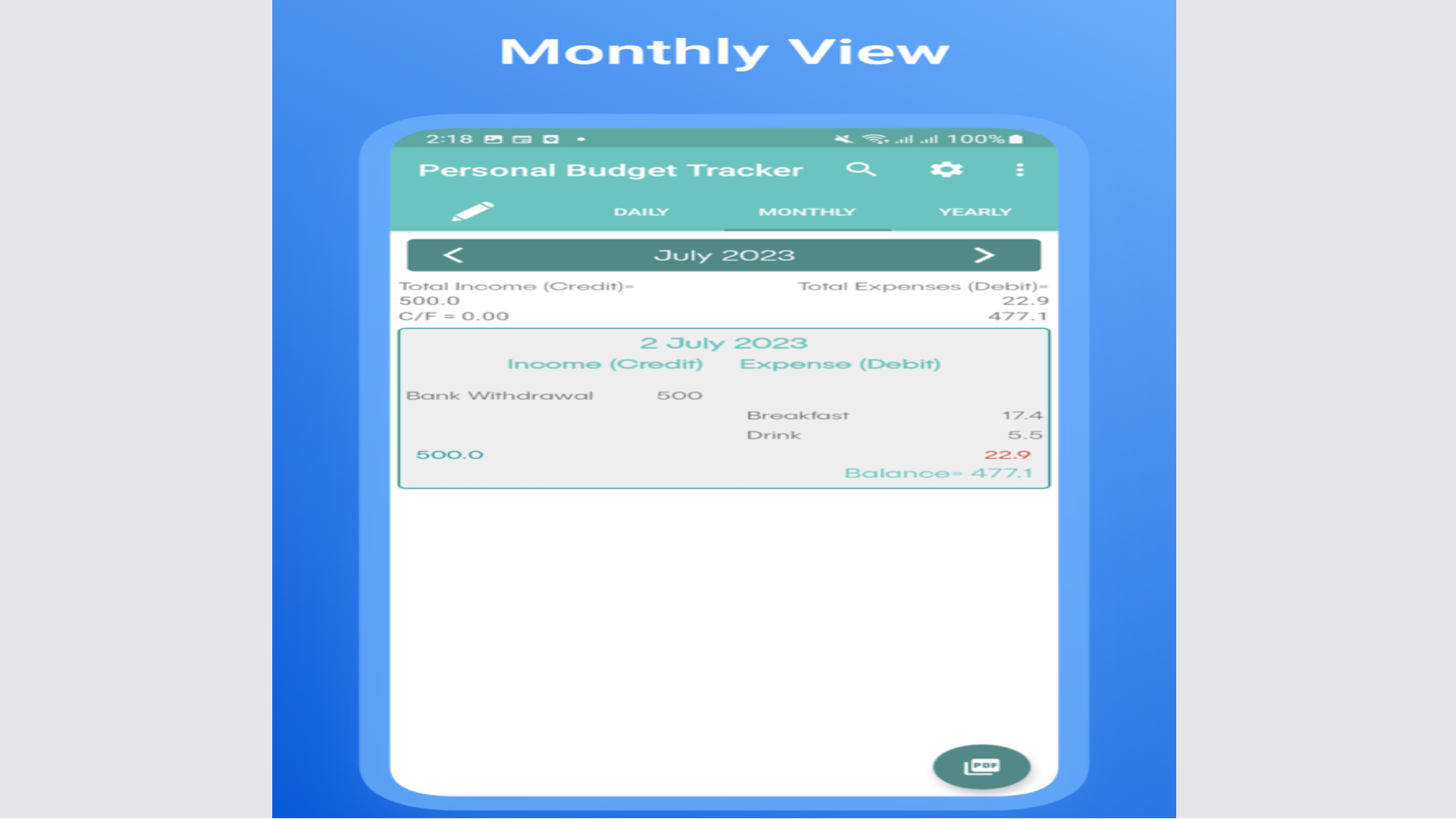
Financial Literacy and Budgeting
The foundation of consumer protection is understanding your own financial habits. Free tools from government agencies, such as the Consumer Financial Protection Bureau (CFPB), provide unbiased guidance on budgeting, debt management, and avoiding scams. These resources are essential for anyone looking to regain control over their finances without paying for premium advisory services.
Product and Ingredient Verification
For non-financial purchases that impact your wallet—like health supplements or home goods—verification tools are equally important. Organizations like the Environmental Working Group (EWG) offer consumer guides that help you check for toxic chemicals in everyday products, from sunscreen to tap water. Knowing what is inside what you buy protects your health and your long-term medical costs.
Recommended Resources
The following resources are widely recognized for their utility in building a responsible consumer ecosystem. These tools focus on transparency and education rather than sales pitches.


As an Amazon Associate, we may earn from qualifying purchases.
Market research for adoption
Treat this step as a welfare screen for Building a Responsible Consumer Ecosystem. Compare the source, the animal's visible condition, the seller's care knowledge, the paperwork, and the transport plan before you commit. A good purchase path should make the dragon's health easier to verify, not harder. Pause before paying if any part of the chain is unclear. Confirm the exact animal, pickup or shipping timing, heat-pack plan when relevant, return policy, and the supplies you need at home for the first week.
| Factor | What to check | Why it matters |
|---|---|---|
| Fit | Match the option to the primary use case. | A good deal still fails if it does not fit the job. |
| Condition | Verify age, wear, and service history. | Hidden condition issues erase upfront savings. |
| Cost | Compare purchase price with likely upkeep. | The cheapest option is not always the lowest-cost option. |
Strategic steps for implementation
Building a responsible consumer ecosystem requires moving beyond compliance to integration. The CGAP’s Responsible Digital Finance Ecosystem (RDFE) framework provides a practical roadmap for aligning providers, regulators, and support organizations. Treat this as an iterative process rather than a one-time audit.
Identify every entity in the value chain, from fintech startups to credit bureaus and consumer advocacy groups. Understanding these interdependencies reveals where protection gaps or data silos exist.
Establish common protocols for data sharing and privacy. When providers agree on technical standards, it reduces friction for consumers while ensuring that sensitive financial information is handled consistently across the ecosystem.
Clarity drives trust. Disclose all fees, interest rates, and penalties in plain language. Avoid hidden charges that erode consumer confidence or lead to unexpected debt traps.
Create accessible channels for consumers to report disputes or issues. Regularly analyze this feedback to identify systemic problems and adjust policies before they become widespread crises.
Schedule periodic reviews of your ecosystem’s health. Measure outcomes like customer satisfaction, dispute resolution times, and financial inclusion metrics to ensure the strategy remains effective.
By following these steps, organizations can build a resilient foundation that prioritizes consumer well-being alongside growth.
No comments yet. Be the first to share your thoughts!