Defining the modern digital ecosystem
The concept of a "consumer ecosystem" has shifted from a marketing buzzword to the primary unit of analysis for Web3 market valuations. In 2026, isolated applications are no longer viewed as standalone products but as nodes within interconnected digital environments. This structural change demands a new analytical framework, one that prioritizes cross-platform interoperability and integrated user journeys over single-app utility metrics.
A true digital ecosystem is defined by its ability to seamlessly connect financial transactions, identity verification, and content consumption. For investors, this means moving beyond traditional app-store download counts to evaluate network effects that span multiple protocols and platforms. The value of a Web3 project is increasingly determined by its depth of integration within this broader environment rather than its isolated user base.
This interconnectedness introduces new complexities in consumer protection and regulatory compliance. As data flows freely between wallets, dApps, and social layers, the boundaries of liability blur. Official sources now emphasize that sustainable ecosystem growth relies on transparent data practices and robust security standards that protect users across the entire digital journey, not just at the point of entry.
To understand the current market dynamics, it is essential to observe how these ecosystems interact with underlying asset values. The volatility and adoption trends of the native tokens often serve as a leading indicator for the health and expansion of the surrounding digital infrastructure.
How AI Infrastructure Powers Market Research
The modern Consumer Ecosystem guide relies on AI infrastructure to make sense of the noise. Market analysts no longer wait for quarterly reports. Instead, they use automated systems to process vast amounts of on-chain transaction data and off-chain social sentiment in real time. This shift turns raw data into actionable insights almost instantly.
AI tools act as a filter, separating signal from noise. They scan millions of wallet interactions, smart contract events, and public discussions to identify emerging trends. By correlating these disparate data points, the software highlights patterns that human analysts might miss. This capability is essential for operating in the high-stakes environment of Web3, where volatility can shift market conditions in minutes.
To validate these insights, analysts often cross-reference AI-generated signals with live market data. For example, a spike in negative sentiment might correlate with unusual trading volume. Seeing this relationship in real time helps traders make informed decisions rather than reacting to rumors.
This integration of artificial intelligence and live charting provides a clearer picture of market health. It allows for a more responsive approach to the Consumer Ecosystem, ensuring that decisions are based on current, verified data rather than historical lag.
The three layers of a Web3 consumer ecosystem
A healthy Web3 consumer ecosystem isn't a single platform; it is a stack of interdependent layers. To analyze market health, you must separate the underlying protocol from the application layer and, finally, the user behavior that drives value. Each layer has distinct metrics that signal risk or opportunity.
Protocol: The Foundation
The protocol layer is the infrastructure—blockchains, consensus mechanisms, and token standards. It is the "roads and bridges" of the ecosystem. In financial analysis, protocol health is measured by total value locked (TVL), active validator count, and security audits. If the protocol is unstable or vulnerable to exploits, no application layer can survive. Think of this as the bedrock; without it, the entire structure collapses.
Application: The Interface
Applications (dApps) sit on top of the protocol. They translate complex cryptographic interactions into user-friendly experiences. This layer includes wallets, exchanges, and DeFi platforms. Health here is measured by daily active users (DAU), transaction volume, and user retention. A strong protocol with a weak application layer results in low adoption, while a weak protocol with a strong application is a ticking time bomb.
User: The Demand
The user layer represents actual human behavior. Are users holding assets? Are they transacting? Or are they merely speculating? In the consumer ecosystem guide context, user metrics are the most predictive of long-term viability. High user engagement with real utility (not just farming incentives) signals a mature market. Low engagement suggests a bubble.
Comparing Web2 and Web3 Ecosystems
Traditional Web2 ecosystems are centralized, with the platform owning the data and the user. Web3 ecosystems are decentralized, with users owning their data and assets. This structural difference changes how value is captured and distributed.
| Metric | Web2 Ecosystem | Web3 Ecosystem |
|---|---|---|
| Data Ownership | Platform-owned | User-owned |
| Value Capture | Platform-centric | Distributed via tokens |
| Access Control | Permissioned | Permissionless |
| Transparency | Opaque | On-chain public |
Understanding these layers helps you avoid the common pitfall of judging a Web3 project solely by its application layer. A robust consumer ecosystem requires strength across all three: a secure protocol, a useful application, and engaged users.
Security and protection in digital finance
The digital finance landscape is fraught with risks that traditional safeguards often miss. Fraudsters exploit gaps between platforms, leaving consumers vulnerable to sophisticated scams. An ecosystem approach to consumer protection treats security not as a single product feature, but as a network of shared responsibilities among providers, regulators, and users. This framework ensures that when one node in the system detects a threat, the entire network benefits from the defense.
The Responsible Digital Finance Ecosystem (RDFE) provides a practical blueprint for this strategy. It moves beyond reactive measures to proactive, collaborative defense mechanisms. By aligning incentives across the industry, participants can identify vulnerabilities before they become widespread issues. This collective intelligence is essential for maintaining trust in decentralized markets where anonymity can mask malicious intent.
To understand the market context of these security challenges, it helps to observe real-time asset behavior. Volatility often attracts bad actors, making live data a critical tool for risk assessment.
When evaluating platforms, look for those that actively participate in shared threat intelligence. These ecosystems prioritize transparency and user education alongside technical security. By choosing platforms that adhere to rigorous ecosystem standards, you reduce your exposure to fraud and ensure a more stable financial experience.
Essential questions for researchers
Understanding the consumer ecosystem requires clarity on how value flows between participants. In Web3 market analysis, we define the consumer ecosystem as the network of users, developers, and protocols that interact to create and exchange digital value. Unlike traditional markets, these ecosystems are often governed by tokenomics and on-chain activity, making transparency and protocol design critical factors in consumer adoption.
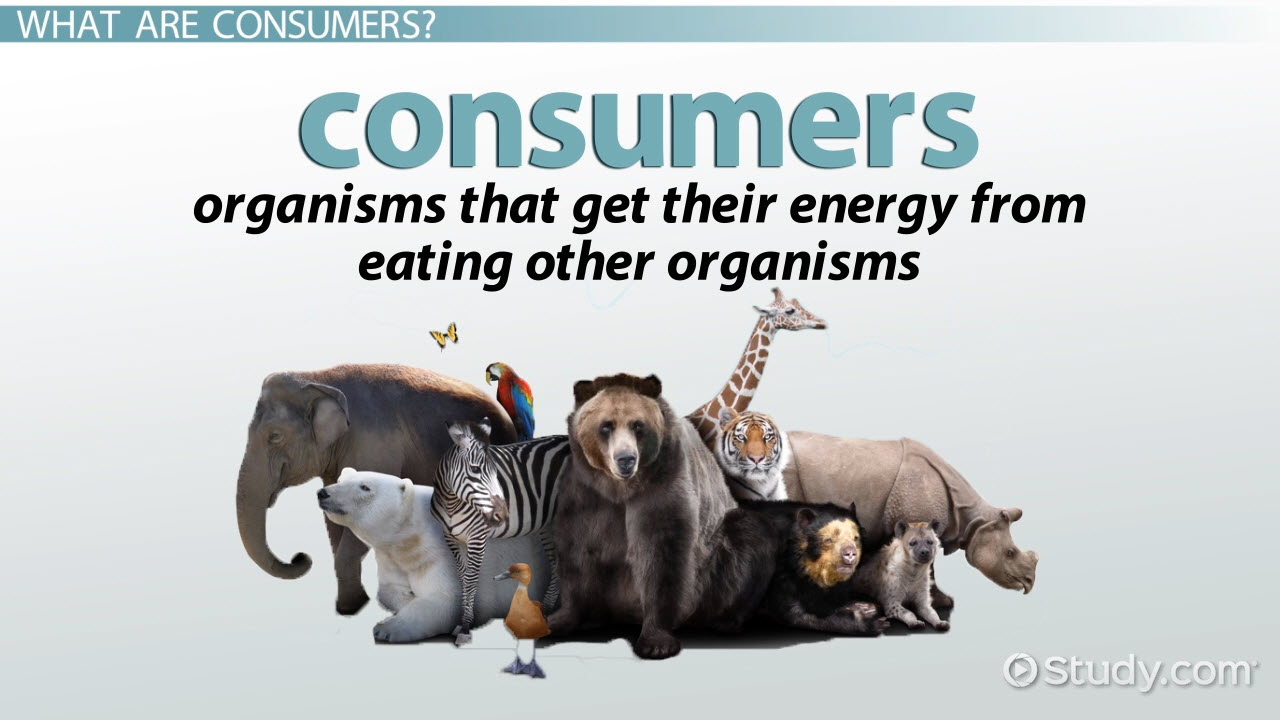
To accurately assess market potential, researchers must distinguish between different consumer archetypes. The three major types of consumers in an ecosystem are herbivores (those who consume only native tokens or utility), carnivores (aggressive traders seeking arbitrage or yield), and omnivores (users who engage across multiple protocols for diverse utility). Recognizing these behaviors helps in forecasting retention and liquidity depth.
No comments yet. Be the first to share your thoughts!