Consumer ecosystem analysis
Consumer ecosystem analysis maps the interactions between users, platforms, and infrastructure to identify friction points and adoption barriers. In Web3, this means tracking how wallets, dApps, and data protocols connect to form a functional network. The goal is to move beyond simple user counts and understand the structural integrity of the user journey.
1. Network topology mapping
This method visualizes the connections between different actors in the ecosystem. By identifying central hubs and isolated nodes, analysts can spot single points of failure or underutilized channels. This structural view reveals where liquidity or attention is concentrated and where it is missing.
2. Behavioral segmentation
Instead of treating all users as a monolith, this approach clusters participants by their interaction patterns. For example, separating long-term holders from active traders or developers from casual users. This segmentation allows for targeted infrastructure improvements that address the specific needs of each group.
3. Value flow tracking
This technique follows the movement of assets and data through the system. It highlights inefficiencies in transaction costs, latency, or data accessibility. By quantifying the "friction" at each step, teams can prioritize optimizations that directly impact user retention and platform utility.
4. Feedback loop analysis
Ecosystems thrive on feedback. This method examines how user actions influence platform development and vice versa. Analyzing these loops helps predict how changes in one part of the system will ripple through the rest, allowing for proactive rather than reactive strategy adjustments.
5. Competitive landscape comparison
Mapping the ecosystem against competitors reveals gaps and opportunities. This involves comparing feature sets, user acquisition costs, and retention rates across similar platforms. Understanding these differences helps position infrastructure tools as essential complements rather than redundant features.
Consumer ecosystem analysis choices that change the plan
Mapping a consumer ecosystem requires balancing speed, accuracy, and cost. No single method captures every interaction between users, platforms, and infrastructure. You must choose the approach that aligns with your specific strategic goal, whether that is tracking real-time transaction flows or understanding long-term retention drivers.
The primary tradeoff lies between breadth and depth. Network analysis methodologies offer a holistic view of indirect relationships but often lack the granularity needed for immediate operational decisions. Conversely, direct observation provides precise data on specific behaviors but may miss the broader systemic shifts that define market trends. Understanding this distinction helps you select the right tool for the current phase of your Web3 adoption strategy.
| Analysis Method | Primary Focus | Data Granularity | Best Use Case |
|---|---|---|---|
| Ecological Network Analysis | Indirect, holistic relations | Low | Identifying systemic risks and long-term trends |
| Direct Pair-Wise Tracking | Direct user interactions | High | Optimizing specific user journeys and conversion points |
| Community Alignment Tools | Continuous quality improvement | Medium | Measuring user satisfaction and ecosystem health |
| Supply Chain Impact Metrics | External environmental factors | Variable | Assessing sustainability and regulatory compliance |
Choosing the wrong method can lead to strategic blind spots. For example, relying solely on direct pair-wise data might make a platform appear healthy while ignoring the declining engagement in peripheral network nodes. Conversely, focusing only on holistic network metrics might delay critical fixes to broken user onboarding flows. A balanced approach often involves using network analysis for high-level strategy and direct tracking for tactical adjustments.
| Method | Focus | Granularity | Best Use Case |
|---|---|---|---|
| Ecological Network Analysis | Indirect, holistic relations | Low | Identifying systemic risks and long-term trends |
| Direct Pair-Wise Tracking | Direct user interactions | High | Optimizing specific user journeys and conversion points |
| Community Alignment Tools | Continuous quality improvement | Medium | Measuring user satisfaction and ecosystem health |
| Supply Chain Impact Metrics | External environmental factors | Variable | Assessing sustainability and regulatory compliance |
Market Context
Understanding consumer tradeoffs requires context from the broader market. Web3 infrastructure tools are evolving rapidly, and their adoption rates reflect the underlying value propositions. Tracking these metrics helps validate the theoretical frameworks discussed above.
Turn research into a practical decision framework
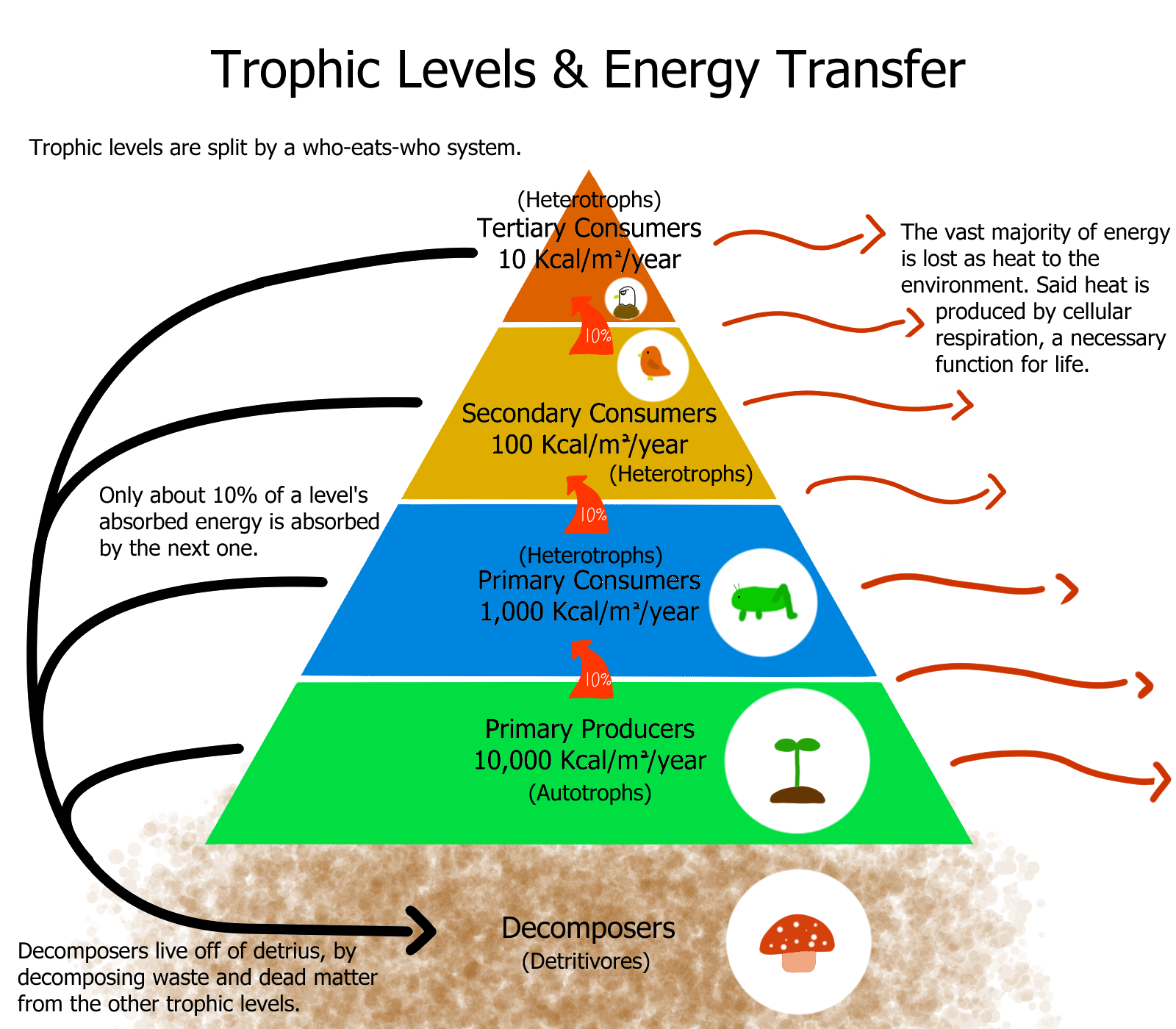
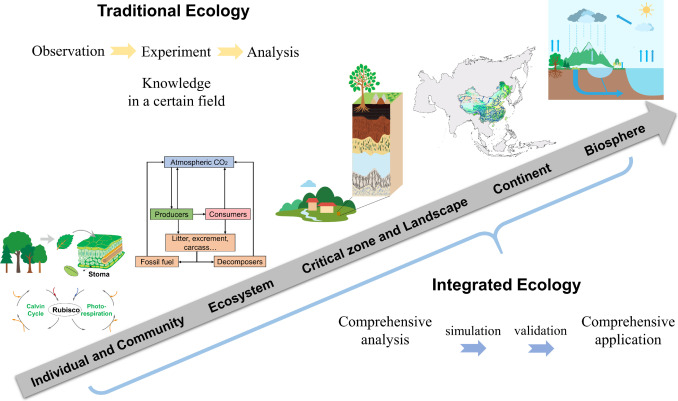
Ecosystem analysis maps the relationships between participants, resources, and energy flow within a defined system. In consumer markets, this means tracking how value moves from raw suppliers to end-users. The goal is to identify leverage points where small changes yield significant market shifts.
Ecological network analysis provides the quantitative backbone for this work. It allows you to evaluate the budgets of energy and information, revealing which nodes are critical for stability and which are fragile. This approach moves beyond simple supply chain mapping to understand the actual dependencies that drive market resilience.
To apply this to your Web3 infrastructure strategy, follow these four steps to build a decision framework that prioritizes sustainable adoption over short-term speculation.
Classify your target users into four distinct types: innovators, early adopters, early majority, and late majority. Each group has different risk tolerances and utility requirements. Mapping these archetypes helps you tailor infrastructure tools to specific adoption stages rather than targeting a generic "user."
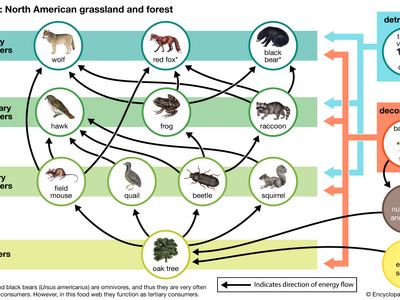
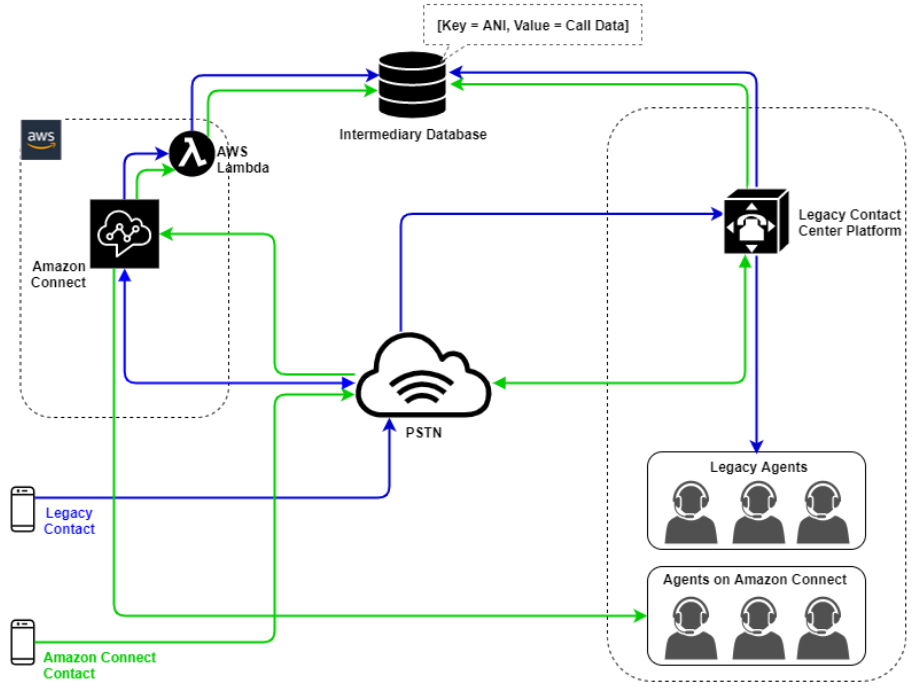
Trace how data and value move through your network. Use network analysis methodologies to visualize these flows. This step reveals bottlenecks where value gets stuck or leaks out, allowing you to redesign protocols for efficiency before scaling.

Test your infrastructure against stress scenarios. Which nodes fail first? If a key validator goes down, does the entire ecosystem collapse? Building resilience means diversifying these critical nodes so that the system can withstand shocks without losing user trust.
Choose tools that address the specific weaknesses identified in your resilience test. Prioritize interoperability and security over novelty. The right infrastructure acts as a force multiplier, allowing your ecosystem to grow without proportional increases in complexity or risk.


As an Amazon Associate, we may earn from qualifying purchases.
This framework shifts your focus from abstract market trends to concrete structural integrity. By understanding the four types of consumers and the methods of consumer analysis, you can build infrastructure that supports long-term adoption rather than temporary hype.
Spotting Weak Options in Web3 Infrastructure
Web3 infrastructure tools often promise seamless integration but deliver fragmented experiences. When evaluating ecosystem analysis for consumer adoption, you must look past marketing claims to the actual data flows. Misleading metrics are common, especially when platforms conflate user engagement with actual transaction volume.
Consumer ecosystems typically break down into four distinct types: producers, consumers, distributors, and regulators. Each plays a specific role in the value chain. Ignoring the regulator’s impact or the distributor’s friction points leads to flawed market strategies. Similarly, methods of consumer analysis range from network mapping to behavioral tracking. Using only one method creates blind spots.
Ecosystem analysis is not just about listing participants; it is about mapping the energy and nutrient flows—data and value—between them. As Scharler (2009) notes, ecological network analysis helps evaluate these budgets. In Web3, this means tracking token velocity and governance participation, not just holding addresses.
Avoid platforms that hide their node infrastructure or lack transparent audit trails. These are the weak options that will fail under regulatory scrutiny. Stick to tools that provide clear, verifiable data on how consumers interact with your protocol. This clarity separates robust infrastructure from speculative hype.
No comments yet. Be the first to share your thoughts!