Consumer Ecosystem Analysis
Consumer ecosystem analysis maps how buyers, suppliers, and platforms interact within a network. It moves beyond simple sales data to reveal the underlying structure of value flow. By treating the market as a system, you can identify leverage points that drive efficiency and resilience.
This approach relies on ecological network analysis (ENA) to evaluate direct and indirect relationships. Just as ecologists track energy budgets in a habitat, analysts track capital and attention across digital and physical nodes. This method highlights hidden dependencies that traditional metrics often miss.
The 4 Types of Consumers
In any ecosystem, consumers fall into four distinct categories based on their energy source:
- Primary Consumers: These are herbivores or first-stage buyers who acquire resources directly from producers. In a market, they are end-users purchasing finished goods.
- Secondary Consumers: These entities feed on primary consumers. They might be retailers or distributors who buy wholesale to add value or convenience.
- Tertiary Consumers: As top predators, these are large aggregators or platforms that control the flow of goods from multiple secondary sources.
- Decomposers: Often overlooked, these are recycling services or secondary markets that break down waste, returning value to the system.
The 4 Types of Ecosystem Services
A functioning ecosystem provides four critical services that sustain the network:
- Provisioning Services: The tangible goods exchanged, such as hardware, software, or physical products.
- Regulating Services: The rules and protocols that maintain balance, including pricing mechanisms and quality standards.
- Supporting Services: The foundational infrastructure, like cloud computing or logistics networks, that enables other services to exist.
- Cultural Services: The intangible benefits, such as brand loyalty or community trust, that drive long-term engagement.
The 4 Types of Ecosystems
Ecosystems vary in scope and complexity. Understanding these types helps in selecting the right analytical model:
- Natural Ecosystems: Biological systems like forests or oceans, which serve as the original metaphor for network analysis.
- Social Ecosystems: Human-driven networks such as communities or social media platforms where interaction is the primary currency.
- Business Ecosystems: Interdependent organizations that co-evolve capabilities around a shared innovation or market need.
- Digital Ecosystems: Technology-driven environments where data flows dictate the health and growth of the network.
What Is Ecosystem Analysis?
Ecosystem analysis is the systematic study of these interactions. It uses quantitative methods to measure the impact of one node on another. This allows strategists to predict how changes in one part of the network will ripple through the whole system.
Consumer ecosystem analysis choices that change the plan
Evaluating a consumer ecosystem requires balancing direct financial metrics against broader ecological and supply chain impacts. While traditional network analysis focuses on energy and nutrient budgets, modern infrastructure strategy must also account for biological impacts and actor relationships within the supply chain.
The following comparison highlights the key tradeoffs between on-chain data transparency and traditional supply chain assessment methods.
| Factor | On-Chain Data | Traditional Supply Chain | Primary Tradeoff |
|---|---|---|---|
| Transparency | Real-time, immutable ledger entries | Periodic audits and self-reported data | On-chain offers immediacy; traditional offers verified context. |
| Scope | Direct transactional pathways | Full lifecycle including biological impact | On-chain tracks money; traditional tracks material flow. |
| Cost | Low marginal cost per data point | High cost for third-party verification | On-chain scales easily; traditional requires heavy investment. |
| Standardization | Proprietary protocols and tokens | ISO and industry-wide standards | Traditional has universal recognition; on-chain is fragmented. |
The choice between these approaches depends on whether the priority is immediate transactional verification or comprehensive impact assessment. On-chain data excels in speed and cost-efficiency but lacks the qualitative depth of traditional ecological network analysis. Conversely, traditional methods provide richer context on biological and social impacts but suffer from latency and higher verification costs. Integrating both offers the most robust strategy for infrastructure planning.
Turn research into a decision framework
The 2026 consumer ecosystem isn't a static diagram; it's a living network of energy flows, dependencies, and feedback loops. To build a smarter infrastructure strategy, you must move beyond descriptive mapping to predictive modeling. This approach mirrors ecological network analysis, where researchers evaluate direct and indirect impacts across trophic layers to understand system resilience.
By applying these methodologies to consumer data, you can identify which infrastructure investments act as keystone species—critical nodes that, if compromised, collapse the entire value chain. This framework prioritizes high-impact interventions over broad, speculative bets.
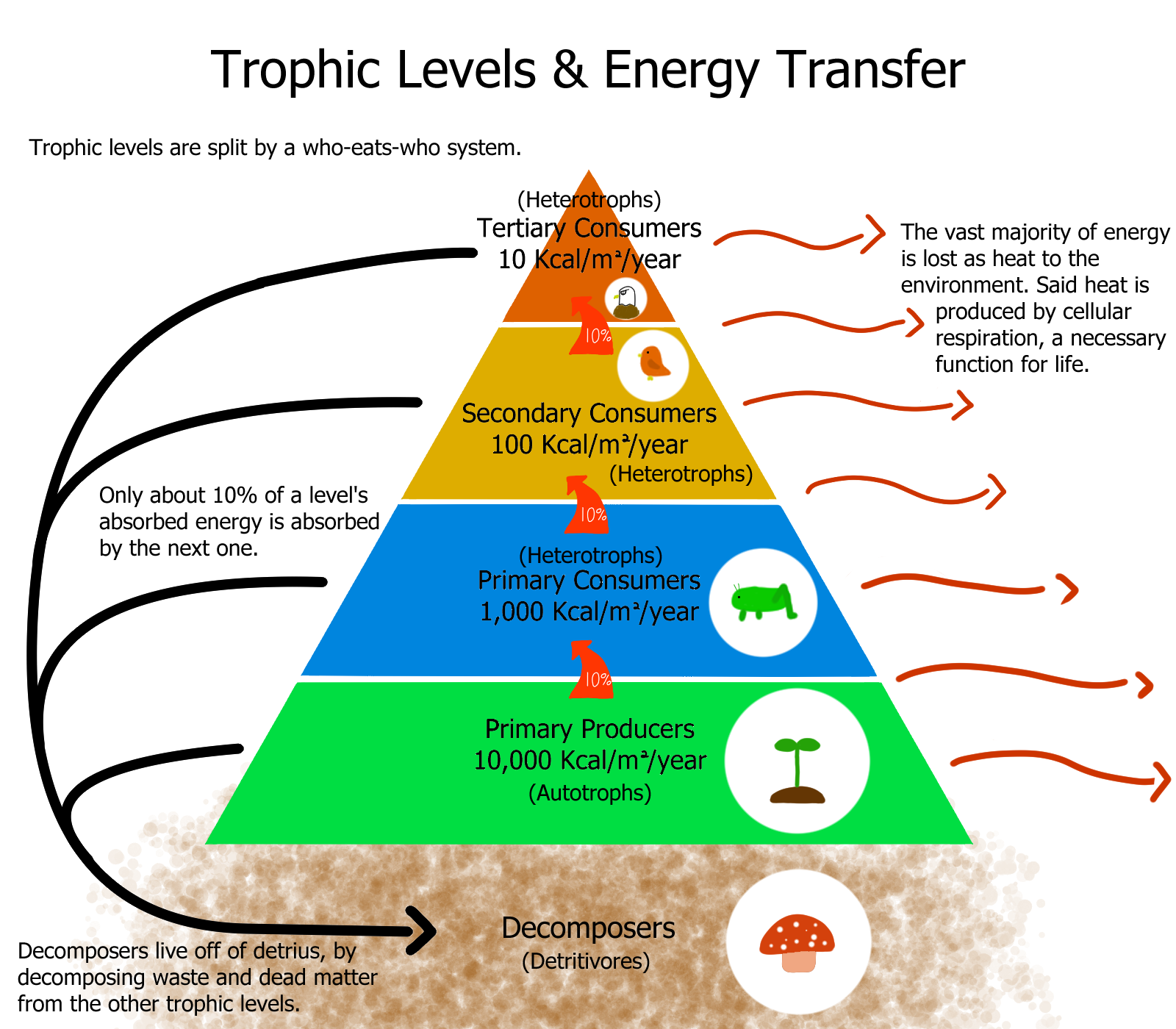
Identify the primary producers (content creators, data generators) and apex consumers (enterprise platforms, aggregators) in your specific niche. Use on-chain data to trace the flow of value and attention from source to sink, noting where bottlenecks create single points of failure.
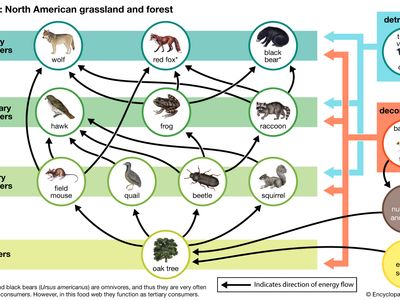
Calculate the direct and indirect effects of potential infrastructure changes. If you remove a specific API endpoint or alter a token incentive, how does the shock propagate? Tools like Scharler’s ENA methodologies help quantify these ripple effects before you commit capital to new nodes.
Classify your infrastructure by the four types of ecosystem services: provisioning (data availability), regulating (consensus mechanisms, fee markets), supporting (node infrastructure), and cultural (community governance). Prioritize investments that strengthen regulating services, as they maintain the stability of the entire system.
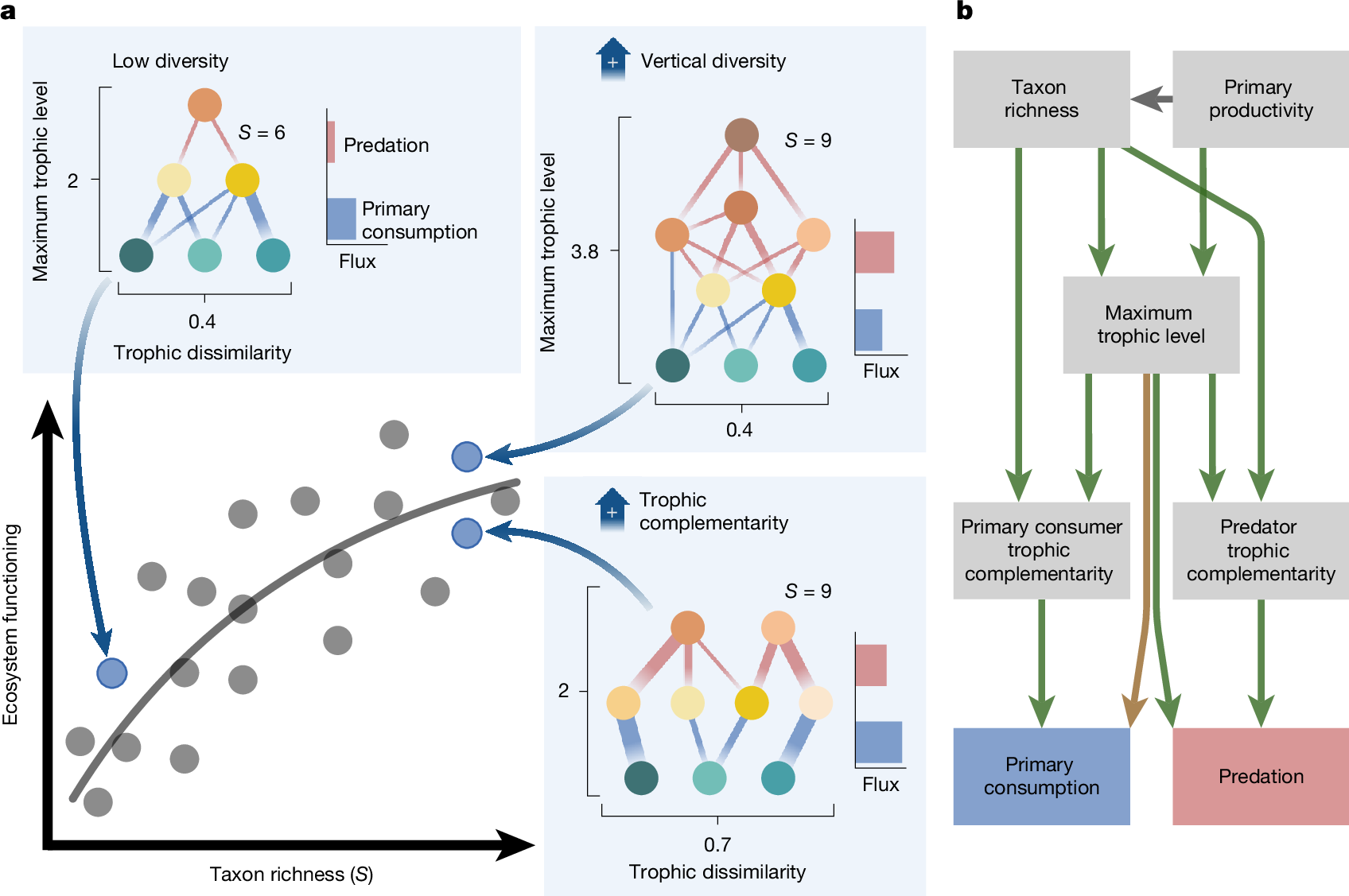
Simulate market downturns, regulatory shifts, or competitor entry. A robust infrastructure strategy accounts for the "four types of ecosystem" interactions—biotic, abiotic, social, and technological—ensuring your model doesn't break when external variables change.



As an Amazon Associate, we may earn from qualifying purchases.
KeyTakeaways items=['Map value flows using ecological network analysis to find critical nodes.', 'Run mixed trophic impact simulations to predict indirect effects of infrastructure changes.', 'Prioritize regulating services to maintain system stability during market shocks.']
Spotting Weak Options in Ecosystem Analysis
Integrating on-chain data with AI offers powerful visibility, but it also invites misleading claims. Many strategies promise "smarter infrastructure" by simply aggregating transaction volumes without distinguishing between genuine network health and artificial inflation. You must separate signal from noise by focusing on the structural integrity of the ecosystem rather than raw top-line metrics.
Ignoring Indirect Network Effects
A common mistake is analyzing only direct interactions. Ecological Network Analysis (ENA) reveals that indirect, pair-wise impacts often drive system stability more than direct transactions. If your AI model ignores these indirect flows, you miss the hidden vulnerabilities that cause cascading failures. Treat the ecosystem as a web of dependencies, not just a list of active nodes.
Over-Reliance on Aggregate Volume
High transaction volume often masks weak underlying engagement. Distinguish between organic growth and bot-driven activity by checking for consistency in user retention and unique wallet behavior. Aggregate metrics like total value locked (TVL) can be inflated by short-term incentives that do not reflect long-term utility. Look for sustained, organic participation patterns instead of temporary spikes.
Treating All Consumers as Identical
Not all participants serve the same function. The four types of consumers—herbivores, carnivores, omnivores, and detritivores—illustrate distinct roles in energy flow. In digital ecosystems, map users to these roles: creators, speculators, developers, and archivists. A strategy that targets only speculators will collapse when sentiment shifts. Balance your infrastructure to support the full trophic structure of your user base.
Consumer ecosystem analysis: what to check next
These answers address the practical frameworks used to map market structures, from biological supply chains to digital service networks. Understanding these categories helps clarify how value flows between producers, platforms, and end-users.
No comments yet. Be the first to share your thoughts!