Defining the modern consumer ecosystem
The digital landscape has shifted from isolated transactions to integrated ecosystems. In 2026, the consumer experience is no longer defined by single purchases but by continuous, interconnected interactions across platforms. This shift demands a new level of scrutiny, particularly for high-stakes financial and tech decisions.
A true digital ecosystem is "vetted" when it provides transparent data flows, robust security protocols, and clear user ownership rights. According to recent industry guides, meeting this new standard requires identifying platforms that prioritize user safety and data integrity over mere convenience [1]. This vetting process is critical for maintaining trust in an always-on world.
The rise of these integrated spaces has blurred the lines between entertainment, commerce, and finance. Consumers now expect seamless interoperability between tools, yet this convenience often comes with hidden complexities in data handling and subscription management. Understanding these underlying structures is the first step in leveraging them effectively.
This evolution is not just about technology; it is about redefining the relationship between the consumer and the service provider. As infrastructure becomes more complex, the ability to distinguish between genuine integration and superficial connectivity becomes a key skill for informed decision-making.
Core infrastructure layers for 2026
The consumer ecosystem of 2026 is no longer just about apps and interfaces; it is built on a rigid technical backbone that prioritizes reliability, scalability, and security. As digital interactions become more complex, the underlying infrastructure—spanning blockchain ledgers, digital identity protocols, and payment rails—must operate with near-zero friction. This section details the concrete layers that make this possible, moving away from abstract theory to the actual tools and standards driving the market.
Blockchain and Distributed Ledgers
Blockchain technology has evolved from a speculative asset class into a foundational utility for consumer data and value transfer. In 2026, the focus is on interoperability and throughput, allowing different ledgers to communicate seamlessly. This is critical for consumer protection frameworks, which rely on immutable audit trails to verify transactions and prevent fraud. The CGAP’s ecosystem approach to consumer protection highlights how these technical layers provide the transparency needed for financial authorities to strengthen oversight.
To understand the market dynamics driving this infrastructure, we can look at the activity of major Web3 tokens that power these networks. The volume and price trends of these assets often correlate with the adoption rate of the underlying infrastructure.
Digital Identity and Verification
Digital identity is the next critical layer, enabling users to prove who they are without exposing sensitive personal data. Zero-knowledge proofs and decentralized identifiers (DIDs) allow consumers to share only the necessary information for a transaction, such as age verification or creditworthiness, without handing over their entire digital footprint. This shift reduces identity theft and streamlines onboarding processes for financial services, making it a cornerstone of the modern consumer experience.
Payment Rails and Settlement
The final layer involves the payment rails that settle these interactions. Real-time gross settlement (RTGS) systems and stablecoin integrations are replacing traditional batch processing, ensuring that funds move instantly and securely. This speed is essential for the gig economy and cross-border commerce, where delays can erode trust. The reliability of these rails is directly tied to the stability of the underlying assets and the robustness of the network infrastructure.
Essential Tools for Navigation and Safety
Managing your digital footprint and physical assets requires more than just vigilance; it demands the right infrastructure. In a fragmented ecosystem where data leaks and physical theft are constant risks, relying on intuition isn't enough. You need concrete tools that act as your first line of defense, separating secure environments from the noise.
The modern consumer approach to safety is layered. It starts with securing the entry points—your passwords and devices—and extends to protecting your financial assets and personal health data. Organizations like the Environmental Working Group (EWG) provide rigorous scoring for consumer products, helping you verify that the hardware and software you use meet strict safety and privacy standards. This verification process turns abstract concerns into actionable data.
Hardware and Security Essentials
Your physical devices are the gatekeepers to your digital life. A compromised hardware wallet or an unsecured router can expose everything from your cryptocurrency holdings to your home network traffic. Investing in dedicated security hardware is not an exaggeration; it is a baseline requirement for high-stakes asset management.
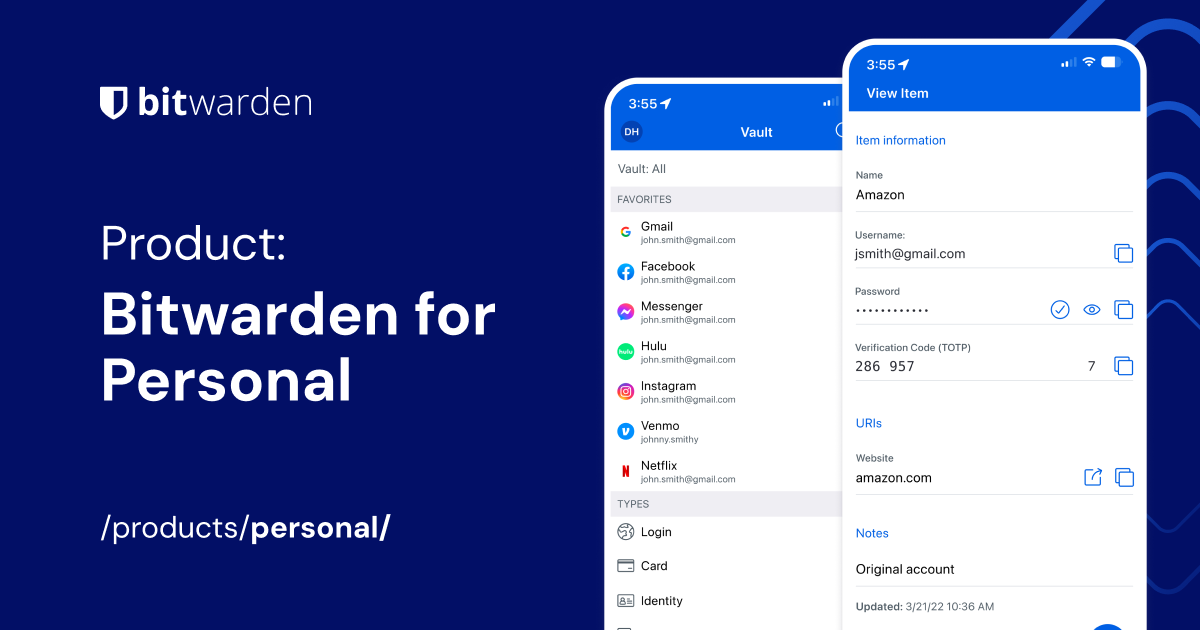
When selecting tools, prioritize those with independent security audits and transparent supply chains. For cryptocurrency and sensitive financial data, hardware wallets provide an offline storage solution that is immune to remote hacking attempts. For general home network security, a reputable firewall router and a dedicated password manager form the core of your defensive perimeter.


As an Amazon Associate, we may earn from qualifying purchases.
Monitoring and Verification Tools
Beyond prevention, you need tools that monitor your environment for threats. This includes tracking your financial transactions in real-time and verifying the integrity of the products you purchase. The EWG’s consumer guides, for instance, allow you to cross-reference cleaning products and drinking water filters against known toxicology data, ensuring your home environment isn't compromising your health.
For financial assets, live market widgets provide the transparency needed to make informed decisions. Instead of relying on stale price lists, use provider-backed charts to track volatility and volume. This real-time data helps you time your entries and exits while maintaining a secure connection to your exchange accounts.
Ultimately, the goal is to reduce friction while maximizing security. By integrating these tools into your daily routine, you create a resilient ecosystem where privacy and safety are maintained automatically, allowing you to focus on what matters most.
Market Adoption: Infrastructure and Economic Risks
The shift toward Web3 consumer ecosystems is no longer just a technological experiment; it is an economic reality with distinct infrastructure costs and adoption barriers. While the promise of decentralized ownership is compelling, the current landscape is defined by friction. Users face higher transaction costs, slower settlement times, and a steep learning curve that traditional fintech has spent decades smoothing out. Understanding these economic drivers is essential for any strategic analysis of where the market is heading.
To visualize the current market sentiment and volatility, we can look at real-time data from major crypto assets. This isn't just about price speculation; it reflects the underlying liquidity and confidence in the infrastructure layer.
The core tension in market adoption lies in the trade-off between control and convenience. Traditional digital ecosystems offer seamless user experiences backed by centralized customer support and regulatory protections. In contrast, Web3 ecosystems offer self-custody and transparency but require users to manage their own security and interface complexity. The table below compares these two models across key operational metrics.
| Metric | Traditional Digital | Web3 Consumer |
|---|---|---|
| User Onboarding | Email/Phone (Minutes) | Wallet Creation (Hours) |
| Transaction Cost | Low/Fixed (e.g., $0.30) | Variable (Gas Fees) |
| Dispute Resolution | Centralized Support | Smart Contract/Immutable |
| Data Ownership | Platform Controlled | User Controlled |
| Regulatory Safety Net | FDIC/PCI Compliant | Limited/None |
This comparison highlights why mass adoption remains elusive. The lack of a "forgot password" option in Web3 is a significant barrier for the average consumer. According to frameworks from the CGAP, strengthening financial consumer protection is critical for ecosystem stability. Without robust safety nets, the risk of irreversible loss deters all but the most technically proficient users.
For those ready to engage with this infrastructure, having the right tools is non-negotiable. Security and usability depend on the hardware and software choices you make. Below are essential tools that bridge the gap between complex blockchain technology and practical daily use.


As an Amazon Associate, we may earn from qualifying purchases.
Ultimately, the strategic value of Web3 lies in its potential to redistribute power, but the economic reality of adoption requires users to accept higher friction in exchange for that control. Until infrastructure improves and regulatory clarity increases, the market will likely remain segmented between early adopters and the cautious majority.
Consumer responsibility and verification
Consumer responsibility in the modern market isn’t just about spending; it’s about verification. Before you commit capital to any digital asset or physical good, treat your due diligence as the first line of defense. Official sources like the Environmental Working Group (EWG) provide independent scoring for household products, proving that third-party verification is essential for safe purchasing decisions [[src-serp-3]].
Follow these steps to protect your interests and contribute to a more transparent market.
Always inspect or research the item before purchase. For digital assets, check the contract address on a block explorer. For physical goods, look for third-party safety certifications rather than relying on marketing claims.

Consider how you pay. Use credit cards for consumer goods to enable chargebacks. For crypto transactions, remember they are irreversible; double-check wallet addresses and network selection to prevent permanent loss.
Register electrical appliances and save digital receipts. A receipt isn’t the only proof of purchase, but it is the easiest. For digital assets, keep records of transaction hashes and gas fees for tax and audit purposes.
Stay informed about price volatility and regulatory changes. Use live tools to track market movements, ensuring you aren’t buying at a local peak or missing a critical safety recall.
For those looking to equip their home or workspace, here are some highly rated essentials that prioritize safety and reliability.


As an Amazon Associate, we may earn from qualifying purchases.
Taking these steps transforms you from a passive buyer into an active participant in a healthier market ecosystem.
Frequently asked questions about the consumer ecosystem
Understanding the practical implications of digital ecosystems requires clarity on rights, tools, and protections. Below are answers to common queries regarding how consumers interact with markets, tools, and protections.
No comments yet. Be the first to share your thoughts!