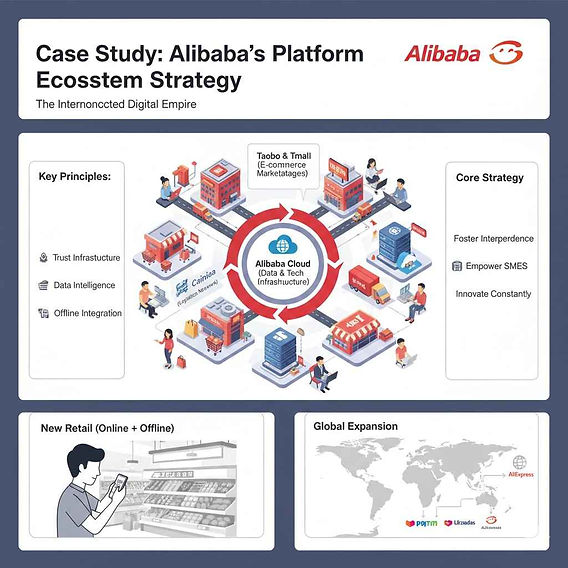
Defining the modern consumer ecosystem
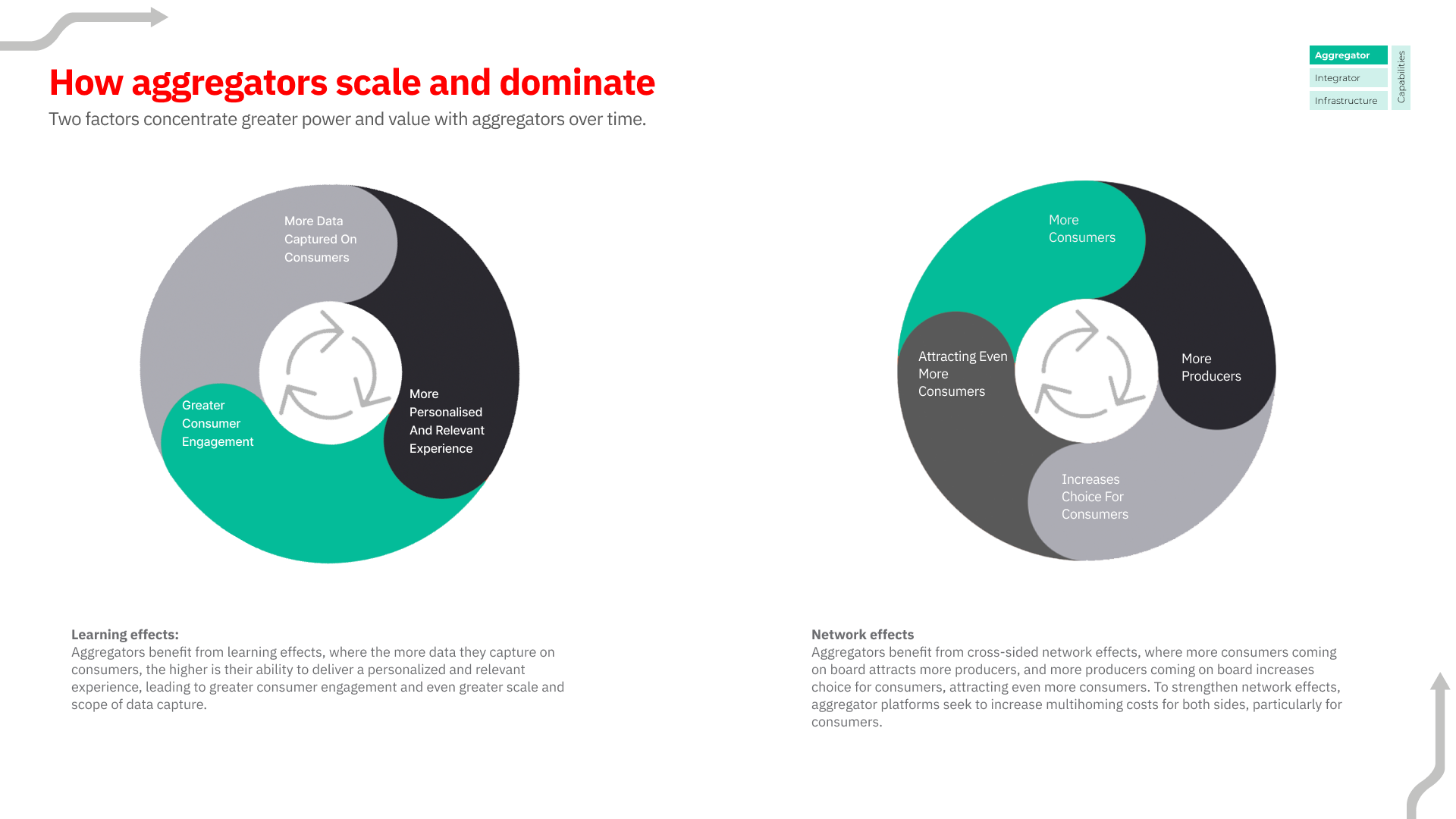
A consumer ecosystem strategy is no longer just a loyalty program wrapped in a mobile app. It is a complex, interconnected infrastructure designed to reduce friction across every digital touchpoint, from Web3 wallets to traditional e-commerce checkout flows. When executed correctly, these systems create a seamless environment where value flows between partners and customers, rather than being trapped in siloed databases.
McKinsey defines ecosystem strategy as a growth approach that helps enterprises build interconnected services to address core customer needs. This means moving beyond simple product aggregation to creating a unified experience. The goal is to make the journey so frictionless that the consumer barely notices the underlying technology, whether it involves blockchain-based identity verification or traditional point-of-sale integration.
However, building this infrastructure requires more than just technical integration. According to EY, partners in successful ecosystems must share values, culture, and a clear agreement on goals. This alignment is critical because it determines how data is shared, how revenue is split, and how customer trust is maintained across different platforms. Without this foundational agreement, the ecosystem becomes a collection of disjointed services rather than a cohesive strategy.
For financial decision-makers, the implication is clear: evaluate potential partners based on their strategic alignment and cultural compatibility, not just their current market share. The most robust consumer ecosystems are built on trust and shared objectives, ensuring that all components work together to deliver consistent value to the end user.
Infrastructure layers for Web3 adoption
Building a consumer ecosystem in 2026 requires more than just a product; it demands a resilient technical foundation. The infrastructure layers that support this strategy must handle interoperability, identity, and transactions with minimal friction. When these layers function correctly, they become invisible to the user, allowing the experience to feel as simple as traditional web applications. When they fail, the entire ecosystem collapses under complexity.
Interoperability and Identity
The first layer is the connective tissue. In a fragmented Web3 landscape, applications cannot exist in silos. Interoperability protocols allow assets and data to move freely between different chains and platforms. This reduces the cognitive load on users who no longer need to understand the underlying blockchain mechanics. Identity layers provide a persistent, user-controlled reputation system. Instead of creating new accounts for every service, users can leverage decentralized identifiers (DIDs) to authenticate seamlessly across the ecosystem.
Transaction and Settlement
The final layer handles the movement of value. High throughput and low latency are no longer optional features; they are requirements for mass adoption. The infrastructure must support micro-transactions and complex smart contract interactions without exposing users to prohibitive gas fees or network congestion. Settlement finality must be rapid to enable real-time commerce. This layer also includes the security primitives that protect user funds and data integrity, ensuring that the ecosystem remains trustworthy even as it scales.
Market Context
The investment in these infrastructure layers is reflected in the broader market performance of major Web3 assets. As networks mature and adoption increases, the value of the underlying infrastructure tokens often correlates with the utility and scalability of the ecosystem they support. Monitoring these trends helps investors and builders gauge the health of the Web3 infrastructure sector.
Market research signals for 2026
The consumer ecosystem market is shifting from simple acquisition to sustained retention. By 2026, growth is driven by customer success frameworks that prioritize long-term value over one-time transactions. This transition requires a fundamental rethink of how brands map touchpoints and measure success across interconnected services.
Traditional metrics often fail to capture the complexity of these networks. We are seeing a clear divergence between legacy customer lifecycle models and modern ecosystem-based approaches. The table below compares these two paradigms, highlighting where efficiency gains are emerging.
| Metric | Traditional Model | Ecosystem Model |
|---|---|---|
| Primary Goal | Acquisition | Retention & Expansion |
| Key Metric | CAC | LTV:CAC Ratio |
| Data Focus | Siloed transactions | Shared workflows |
| Revenue Driver | New sales | Cross-service usage |
To compete, brands must integrate data and governance across these expanded boundaries. This means designing shared value propositions that benefit both the consumer and the partner network. The result is a more resilient revenue stream that is less dependent on volatile advertising markets.
For financial context on the broader market trends driving this shift, monitor relevant industry indices.
The data suggests that early adopters of ecosystem strategies are already seeing higher engagement rates. As the market matures, the ability to reduce friction between services will become the primary differentiator for consumer brands.
Tools to build and manage ecosystems
Building a consumer ecosystem requires more than a unified brand promise; it demands a stack of tools that can handle complex data flows and customer interactions across multiple touchpoints. You need infrastructure that connects analytics, integration middleware, and engagement platforms into a single, coherent system.
The challenge is often not the absence of tools, but the fragmentation of data. Without a central nervous system for your customer data, analytics become siloed, and personalization efforts lose their edge. Effective ecosystem management relies on middleware that can translate between legacy systems and modern cloud applications, ensuring that customer insights are actionable in real-time.
Integration and Analytics Platforms
Middleware solutions like MuleSoft or Zapier allow businesses to connect disparate APIs, creating a seamless flow of data between CRM, marketing automation, and e-commerce platforms. This connectivity is the backbone of any scalable ecosystem, enabling you to trigger actions based on customer behavior without manual intervention.
For analytics, tools like Mixpanel or Amplitude provide granular insights into user journeys. Unlike traditional web analytics, these platforms focus on product usage and retention, helping you understand not just where customers are coming from, but how they interact with your ecosystem over time.
Customer Engagement and Personalization
Engagement platforms such as Braze or Customer.io enable hyper-personalized communication. By leveraging the data collected through your middleware and analytics tools, these platforms can segment audiences and deliver targeted messages via email, SMS, or push notifications at the right moment.
This level of personalization is critical for retention. It transforms a transactional relationship into an ongoing dialogue, fostering loyalty and increasing lifetime value. The key is to use data ethically and transparently, ensuring that customers feel understood rather than tracked.
Recommended Resources
To deepen your understanding of these tools and strategies, consider exploring the following resources:



As an Amazon Associate, we may earn from qualifying purchases.
Capturing value in the new ecosystem economy
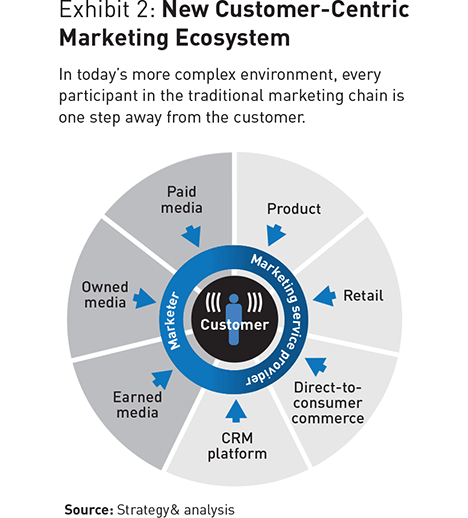
Monetizing an ecosystem requires moving beyond simple transaction fees to capture shared value across interconnected services. McKinsey defines this as building networks that address core customer needs through unified experiences, allowing businesses to extract value from multiple touchpoints rather than a single product sale McKinsey.
Governance models are critical for sustaining engagement. When participants see mutual benefit, retention improves and churn decreases. This mirrors Apple’s approach, where interconnected products create a sticky environment that rewards loyalty with convenience and integrated functionality Tim Vipond.
To ground your strategy in current market realities, monitor how ecosystem-enabled companies perform against broader indices. The following chart illustrates recent market trends relevant to technology and platform-based growth sectors:
Common questions about ecosystem strategy
Building a consumer ecosystem is less about launching products and more about orchestrating relationships. As McKinsey notes, this approach helps enterprises build interconnected services that address core customer needs rather than isolated transactions.
How do I measure ecosystem success?
Traditional metrics like customer acquisition cost often miss the value of network effects. Success usually hinges on retention and cross-service adoption. Partners in successful ecosystems share values and goals, which drives long-term revenue growth through sustained engagement rather than one-off sales.
What is the first step in building an ecosystem?
Start by examining the customer journey to identify market frictions. Boston Consulting Group suggests that the most viable opportunities arise from solving specific frustrations. If customer success is your anchor, ensure your initial network directly addresses those pain points to generate immediate value.
How do I manage partner relationships?
Ecosystems fail when partners operate in silos. You must structure relationships to promote shared culture and aligned incentives. This requires moving beyond simple vendor contracts to create a unified experience where every participant benefits from the collective network.
No comments yet. Be the first to share your thoughts!