The hidden costs of consumer ecosystem infrastructure
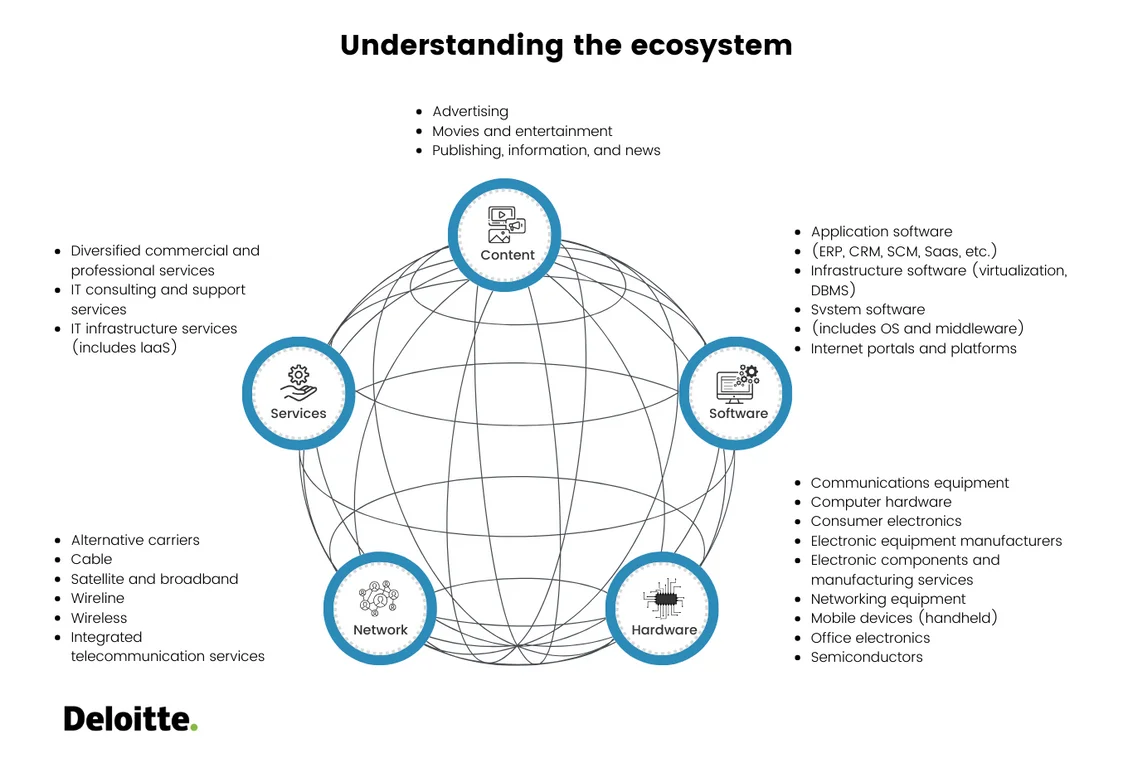
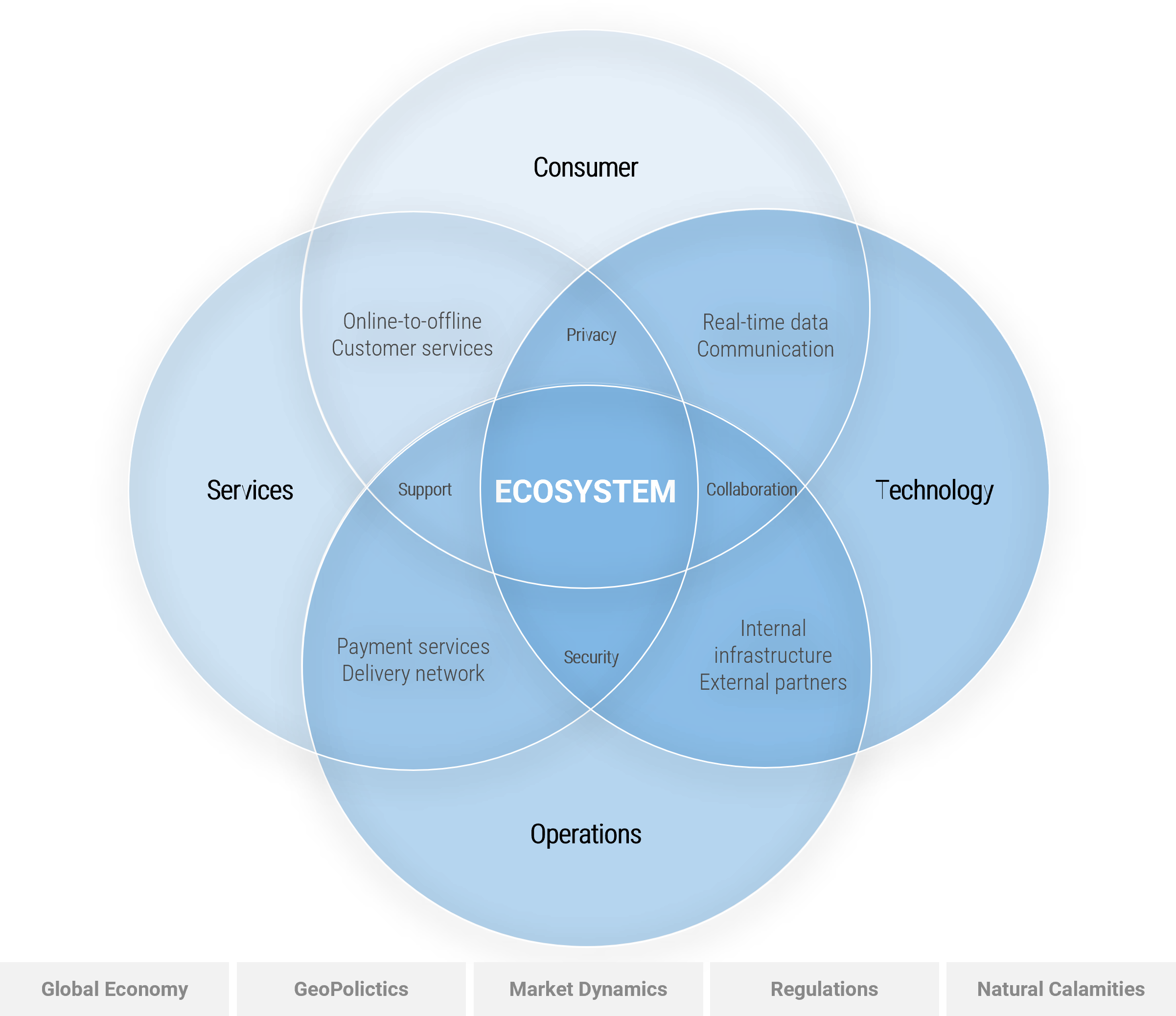
Building a consumer ecosystem is less about connecting apps and more about managing the friction between them. When infrastructure fails, the user experience breaks down, and data silos re-emerge. This section examines the specific constraints that plague real-world asset integration and on-chain market research tools.
Data fragmentation and interoperability
Most consumer platforms operate in isolation, forcing users to manually bridge data between wallets, exchanges, and market research dashboards. This fragmentation creates a high cognitive load. Real-world asset (RWA) integration requires standardized data feeds that can speak to legacy financial systems and blockchain networks simultaneously. Without this interoperability, market research tools remain speculative rather than operational.
Latency and transaction finality
On-chain market research relies on real-time data. However, blockchain confirmation times vary widely depending on the network congestion and consensus mechanism. For a consumer ecosystem infrastructure, a five-minute delay in price discovery or asset verification can render insights obsolete. The tradeoff is clear: faster finality often means reduced decentralization or higher costs, both of which impact the end-user's willingness to adopt the tool.
Regulatory compliance overhead
Integrating real-world assets introduces significant regulatory complexity. Consumer platforms must ensure that their infrastructure complies with local securities laws, anti-money laundering (AML) directives, and data privacy regulations like GDPR. This compliance layer adds technical debt and operational costs. Platforms that fail to embed compliance into their infrastructure from the start face the risk of forced shutdowns or heavy fines, making scalability difficult.
Security and key management
The security model of a consumer ecosystem is only as strong as its weakest link. In a decentralized environment, users are responsible for their own keys. If the infrastructure does not provide intuitive, secure key management solutions—such as social recovery or multi-signature wallets—user error becomes the primary vector for loss. A single compromised key can drain assets, destroying trust in the entire ecosystem.
Scalability and network fees
As user bases grow, transaction fees on public blockchains can spike, making micro-transactions or frequent data queries economically unviable. Consumer ecosystem infrastructure must account for these variable costs. Layer-2 solutions or alternative consensus mechanisms can mitigate fees, but they introduce additional complexity for developers and potential centralization risks. The goal is to maintain low fees without sacrificing the security guarantees that users expect.
User experience complexity
Finally, the technical complexity of blockchain interactions often alienates mainstream consumers. Managing gas fees, selecting the correct network, and understanding smart contract interactions are significant barriers. Consumer ecosystem infrastructure must abstract these complexities away. If the user interface does not hide the underlying technical chaos, adoption will stall, regardless of the tool's analytical power.
Consumer ecosystem infrastructure choices that change the plan
When building or evaluating a consumer ecosystem, the infrastructure choices you make today dictate how easily third parties can integrate and how much data flows between them. The Institute for Digital Transformation notes that a profitable online infrastructure relies heavily on digital third-party access, but that access comes with complexity. You are balancing control against reach. A closed system keeps data secure but limits growth; an open system invites innovation but increases security risks.
The following comparison breaks down the primary tradeoffs in ecosystem infrastructure. These factors determine whether your platform becomes a hub or a silo.
| Factor | Open Infrastructure | Closed Infrastructure | Hybrid Approach |
|---|---|---|---|
| Third-Party Access | High. APIs are public and well-documented, encouraging developers to build on your platform. | Low. Access is restricted to approved partners, requiring manual negotiation for every integration. | Moderate. Core features are closed, but peripheral services are open to external developers. |
| Data Control | Low. Data sharing is extensive, which can lead to privacy concerns and compliance headaches. | High. All data remains within your walled garden, simplifying GDPR and CCPA compliance. | Balanced. Sensitive data stays internal, while anonymized metrics are shared for analytics. |
| Innovation Speed | Fast. External developers can build new features faster than your internal team. | Variable. Internal teams handle core updates, while partners drive niche feature development. | |
| Security Risk | High. More entry points mean a larger attack surface for potential breaches. | Low. Fewer external connections reduce the risk of third-party data leaks. | Moderate. Security protocols must be strict for open APIs while maintaining internal controls. |
Data sharing and agility
Improving data sharing and adding agility are the top two aspects of ecosystem IT infrastructure, according to EY. If your infrastructure cannot handle real-time data exchange between partners, the ecosystem becomes sluggish. This slowness drives developers away. However, open data sharing requires robust governance. You must define exactly what data is shared, how it is used, and who owns it. Without clear rules, open infrastructure leads to fragmentation.
Vendor lock-in and switching costs
Closed ecosystems often create high switching costs for consumers. If a user’s history, preferences, and payments are locked into one platform, they are less likely to leave. This retention benefit comes at the cost of user trust. Consumers increasingly demand interoperability. The 2026 landscape favors platforms that allow users to move their data easily. Infrastructure that supports standard protocols like OAuth 2.0 or open banking APIs reduces lock-in and builds long-term loyalty.
Integration complexity
Building an ecosystem is not just about your own tech stack. It is about how well your stack talks to others. Open infrastructure requires extensive API documentation and support teams. Closed infrastructure requires fewer external resources but more internal maintenance. A hybrid approach often strikes the best balance. You can keep your core value proposition proprietary while allowing third parties to extend functionality. This reduces the burden on your internal team while still offering variety to users.
Build a real-world asset integration framework
Turning research into a working system requires moving from abstract data to concrete checks. Real-world asset (RWA) integration is not a single product; it is a stack of infrastructure layers that must align legal, technical, and market requirements. Use the steps below to evaluate where your project fits in the current consumer ecosystem landscape.
Before integrating any asset, confirm the legal entity holding the underlying rights. RWAs require specific trust structures or special purpose vehicles (SPVs) to bridge traditional law with smart contracts. Check if the token follows ERC-3643 or similar compliance standards that enforce identity verification (KYC/AML) at the wallet level. Without this wrapper, the asset cannot legally settle on-chain.
On-chain price discovery for RWAs depends heavily on oracle reliability. Unlike volatile crypto assets, RWA valuations may update less frequently but require higher accuracy. Evaluate whether the protocol uses single-source or multi-source oracle feeds. A failure in the data feed can lead to incorrect liquidations or pricing errors. Look for protocols that explicitly document their oracle aggregation methods and fallback mechanisms.
An RWA is only as useful as its ability to be traded. Check the depth of the liquidity pool or the existence of a registered secondary market. Many RWA tokens suffer from low volume, making it difficult to exit positions without significant slippage. Prioritize assets integrated with established decentralized exchanges (DEXs) or compliant trading venues that have proven transaction history.
Consumer adoption hinges on seamless interaction. Evaluate how users acquire, hold, and transfer the token. Does the platform require complex wallet setups, or does it offer custodial solutions for retail users? The best infrastructure hides the blockchain complexity while maintaining security. Look for user flows that mirror traditional fintech apps but retain the benefits of on-chain settlement.


As an Amazon Associate, we may earn from qualifying purchases.
The goal is to build a resilient layer where legal clarity meets technical efficiency. By following these checks, you can separate viable RWA integrations from speculative experiments.
Spotting Weak Options in Consumer Ecosystem Infrastructure
Many platforms promise seamless integration but deliver fragmented user experiences. When evaluating consumer ecosystem infrastructure, look for signs of weak execution that undermine the promise of real-world asset (RWA) integration. These pitfalls often appear as superficial API connections or opaque data flows that fail to provide genuine utility.
1. Vague Value Propositions
Avoid platforms that use broad terms like "ecosystem" without defining specific participant roles. A strong infrastructure clearly outlines how consumers, issuers, and developers interact. If the documentation lacks concrete examples of value exchange, the model is likely theoretical rather than operational.
2. Hidden Fee Structures
Weak options often bury costs in complex transaction layers. Transparent ecosystems display fees upfront for minting, trading, and governance. Scrutinize the fee schedule for hidden spread costs or unexpected withdrawal charges that erode returns over time.
3. Limited Liquidity Pools
Integration strength depends on depth. Platforms with thin liquidity suffer from high slippage and poor price discovery. Check the order book depth and historical trade volume. If the pool size is negligible compared to typical transaction sizes, the infrastructure is fragile.
4. Opaque Governance Models
Decentralized governance should empower users, not obscure decision-making. Weak ecosystems hide voting mechanisms or restrict participation to token whales. Look for clear, on-chain governance records where every proposal and vote is publicly auditable.
5. Poor Cross-Chain Compatibility
True integration means assets move freely across compatible chains without excessive bridging risks. Platforms that lock assets in single-chain silos limit utility. Verify support for standard bridges and multi-chain liquidity protocols before committing.
6. Lack of Regulatory Clarity
High-stakes infrastructure must navigate evolving compliance landscapes. Weak options ignore jurisdictional nuances or operate in legal gray areas. Ensure the platform adheres to known regulatory frameworks in your region to avoid frozen assets or legal exposure.
7. Inadequate Security Audits
Security is non-negotiable. Platforms without recent, third-party smart contract audits are high-risk. Look for audits from reputable firms and a clear bug bounty program. Absence of these safeguards suggests a rushed or underfunded development process.
No comments yet. Be the first to share your thoughts!