Consumer ecosystem analysis
Consumer ecosystem analysis maps the interconnected relationships between users, devices, platforms, and service providers to identify adoption barriers and infrastructure gaps. In the context of Web3, this means tracking how digital wallets, decentralized exchanges, and smart contracts interact with traditional financial rails and mobile operating systems. The goal is to understand which nodes in the network create friction and which enable seamless value transfer.
This approach moves beyond isolated product reviews to evaluate the entire user journey. It assesses compatibility across hardware, security protocols, and regulatory environments. By treating the digital landscape as a living system, analysts can predict how changes in one sector, such as a new privacy regulation, ripple through to affect consumer trust and adoption rates in others.
The analysis relies on quantitative network data and qualitative user behavior metrics. It examines energy flows in the form of transaction volume and data throughput, as well as qualitative relationships like brand loyalty and developer engagement. This holistic view reveals the true cost of entry for new participants and the resilience of existing infrastructure against shocks.
Consumer ecosystem analysis choices that change the plan
Mapping a Web3 ecosystem requires balancing immediate usability against long-term decentralization. There is no single correct architecture; each design choice introduces specific friction points for the average user. Evaluating these tradeoffs helps determine whether a platform is built for early adopters or mass adoption.
The primary tension lies in custody and control. Self-custody wallets offer maximum security but demand technical literacy that screens out non-technical users. Centralized exchanges provide ease of use but reintroduce counterparty risk. This is the core tradeoff in consumer Web3: convenience versus sovereignty.
Comparison of Ecosystem Models
Different platforms prioritize different aspects of the user experience. The table below contrasts three common approaches found in the current market.
| Model | Custody | Onboarding | Primary Risk |
|---|---|---|---|
| Self-Custody Wallet | User | High Friction | Key Loss |
| Custodial Exchange | Platform | Low Friction | Insolvency |
| Social Recovery | Multi-Sig | Medium Friction | Social Engineering |
Technical Context
The market for these underlying assets and protocols remains volatile. Understanding the broader market trend is essential before committing to any specific ecosystem.
Community Sentiment
While official metrics provide hard data, community feedback often reveals the real-world usability issues that benchmarks miss. Users frequently discuss the hidden costs of gas fees and transaction failures in support forums.
Market Overview
For a live perspective on the broader market conditions affecting these ecosystems, consider the current price action of major assets.
How to Build a Practical Decision Framework
Mapping consumer ecosystems for Web3 adoption requires moving beyond abstract theory into a structured evaluation process. This framework helps you assess infrastructure readiness, user behavior, and regulatory alignment without getting lost in speculative trends. By following these four steps, you can turn raw research into actionable investment or product decisions.
Step 1: Define the Ecosystem Boundary
Start by identifying the specific nodes and edges that constitute your ecosystem. Are you analyzing a single protocol, a cross-chain bridge, or a broader consumer finance stack? Use ecological network analysis to map the quantitative relationships between these nodes. This involves tracking energy, data, and value flows to understand dependencies. A clear boundary prevents scope creep and ensures your metrics remain relevant to the specific infrastructure you are evaluating.
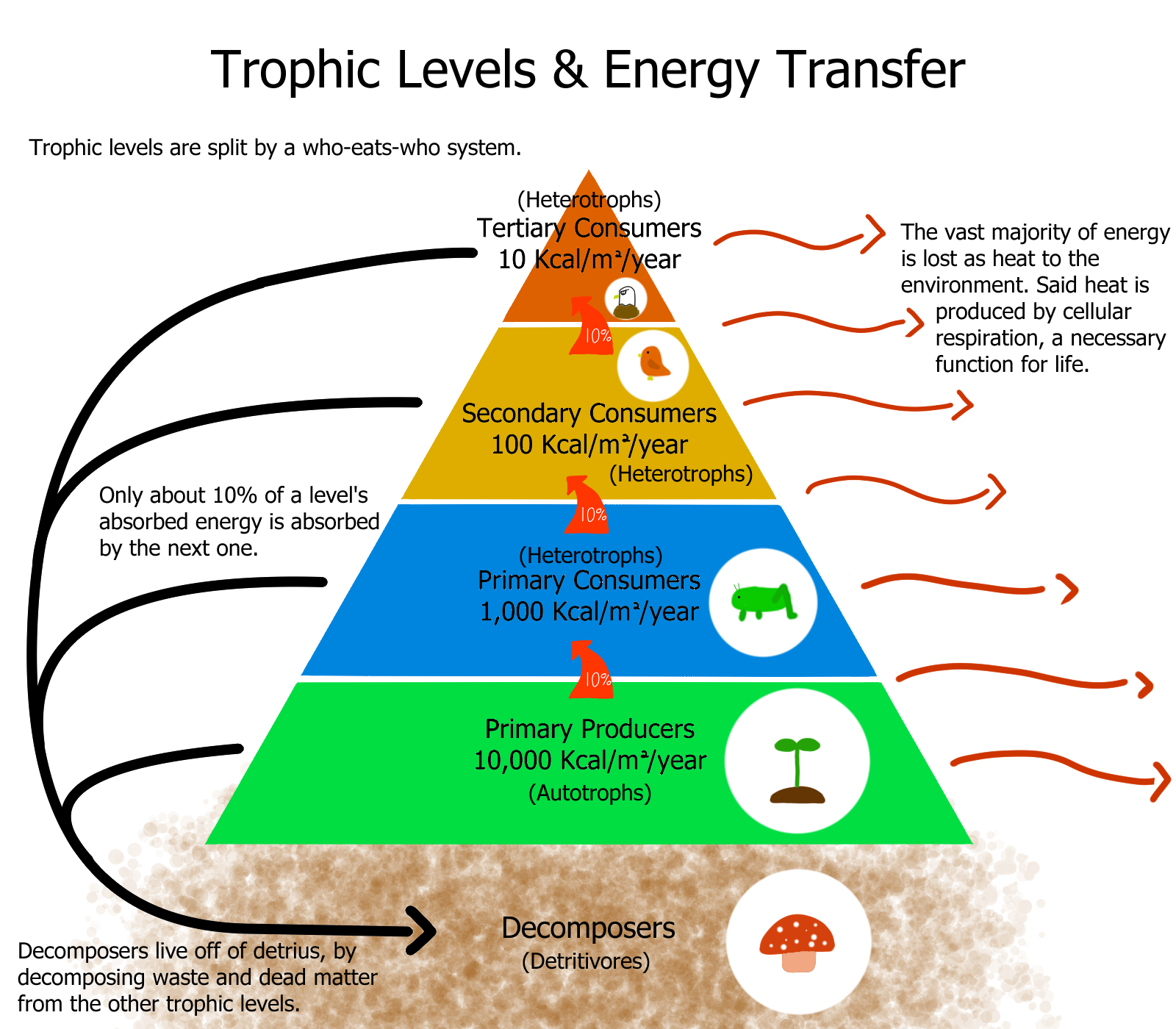
Define the perimeter of your analysis by listing all active participants—developers, users, validators, and regulators. Map the primary flows of value and data between them. This visual baseline reveals critical bottlenecks and single points of failure before you dive into deeper metrics.
Step 2: Assess Infrastructure Readiness
Evaluate the underlying technical and physical infrastructure. For Web3, this means analyzing node distribution, transaction throughput, and interoperability standards. Look for evidence of robust, decentralized infrastructure rather than centralized bottlenecks. Check if the ecosystem supports the necessary developer tools and user interfaces to scale. Infrastructure readiness is the foundation; without it, user adoption remains theoretical and fragile.
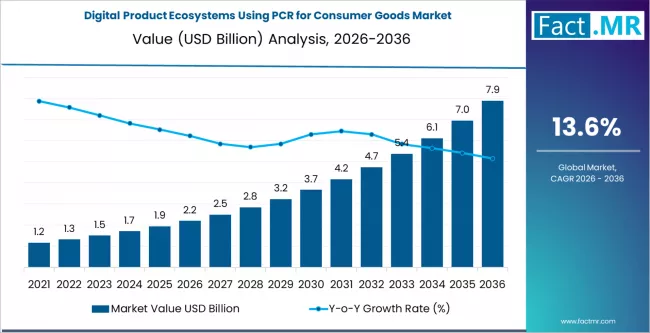
Review the core protocols for scalability and security. Verify that node operators are geographically distributed and that the network can handle peak loads. This step filters out ecosystems that look promising in theory but lack the technical backbone to support mass consumer adoption.
Step 3: Evaluate User Adoption Signals
Move from technical metrics to human behavior. Identify the four main types of consumers in your ecosystem: early adopters, mainstream users, skeptics, and non-users. Track engagement metrics like daily active users, transaction frequency, and retention rates. Look for signs of network effects, where the value of the ecosystem increases as more people join. Avoid vanity metrics like total addressable market; focus on actual, active participation.
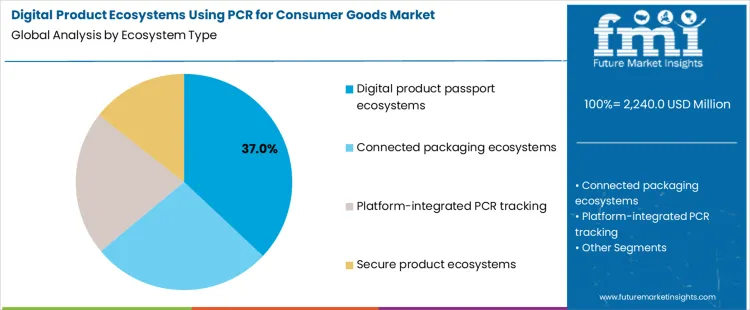
Analyze user retention and engagement rather than just acquisition. Determine which consumer segments are actively using the infrastructure and why. High engagement from a small group is less valuable than steady, growing usage from a broader, more diverse user base.
Step 4: Stress-Test Against Regulatory and Market Risks
Finally, apply a stress test to your findings. Consider how regulatory changes, market volatility, or competitor moves could impact the ecosystem. Use historical data from similar ecosystems to model potential scenarios. This step ensures your decision framework is resilient to external shocks. A robust ecosystem can adapt to regulatory shifts and market downturns without collapsing.
Simulate the impact of regulatory changes or market crashes on your ecosystem. Identify which nodes are most vulnerable and whether the system has built-in redundancy. This proactive approach helps you avoid costly surprises and makes your investment or product strategy more durable.
Common Mistakes in Web3 Ecosystem Analysis
The 2026 consumer landscape is crowded with projects promising seamless adoption, but many rely on misleading metrics that obscure real utility. Analysts often mistake high transaction volume for genuine engagement, ignoring the difference between bot-driven activity and human usage. This confusion creates a fragile foundation for investment decisions, where short-term hype replaces long-term structural value.
A frequent error is ignoring the "weak links" in the infrastructure stack. Many Web3 platforms integrate with outdated legacy systems without adequate bridging mechanisms, creating security vulnerabilities that are often overlooked in high-level summaries. Without auditing these integration points, users assume stability that simply does not exist. This is particularly true for cross-chain bridges, which historically represent the most exploited attack vectors in the space.
Another critical mistake is conflating ecological principles with network effects. While ENA (Ecological Network Analysis) provides valuable insights into energy and nutrient budgets in biological systems, applying these models to digital economies requires careful adaptation. Treating digital tokens as direct analogues to biological nutrients ignores the speculative nature of asset valuation. Successful analysis must distinguish between functional utility and speculative momentum.
To avoid these pitfalls, focus on concrete product recommendations and verified infrastructure components. Look for platforms that prioritize transparency in their codebases and offer clear, auditable paths for user interaction. Avoid projects that rely on vague "ecosystem" narratives without specifying the underlying technical architecture. In a high-stakes environment, clarity and verification are your best defenses against misleading claims.
Consumer ecosystem analysis: what to check next
Ecosystem analysis maps how different parts of a network interact, similar to how a food web shows energy flow in nature. In Web3, this means tracking how wallets, dApps, protocols, and users connect to create value. It helps identify bottlenecks, security risks, and growth opportunities.
What are the four main types of consumers in an ecosystem?
Consumers typically fall into four categories: producers (who create content or assets), consumers (who use or buy), distributors (who facilitate access), and regulators (who set rules). In Web3, this includes developers building apps, users holding tokens, exchanges listing them, and governments defining compliance.
What does ecosystem analysis mean?
It is the process of studying the relationships and dependencies within a system. For Web3, this involves analyzing transaction volumes, user retention, and protocol interdependencies. The goal is to understand how changes in one part of the network affect the whole, ensuring stability and scalability.
What are 7 examples of ecosystems?
Common examples include the Apple App Store, Android Play Store, Ethereum DeFi, Solana NFTs, Web2 social media (like Facebook), traditional banking networks, and supply chain logistics. Each has distinct actors, rules, and value flows that define its structure and success.
What are the 7 ecological principles?
These are: energy flow, nutrient cycling, biodiversity, succession, homeostasis, connectivity, and resilience. In Web3, these translate to tokenomics, data portability, network diversity, protocol upgrades, security, interoperability, and fault tolerance. Applying these principles helps build more robust digital economies.
No comments yet. Be the first to share your thoughts!