Defining the modern consumer ecosystem
The traditional linear supply chain—where value flows one-way from manufacturer to buyer—is dissolving. In its place, a complex, interconnected network has emerged where consumers, platforms, data providers, and third-party services interact simultaneously. This shift from product-centric transactions to ecosystem-centric relationships fundamentally alters how value is created, captured, and sustained in the digital economy.
A modern consumer ecosystem is not merely a collection of touchpoints; it is a dynamic web of actors that includes direct competitors, complementary service providers, and regulatory bodies. Research indicates that customer experience is now shaped by a diverse set of participants beyond the primary brand, including social networks, logistics partners, and even peer-to-peer review systems. These actors collectively influence perception and decision-making, often outside the direct control of any single company.
Understanding this landscape requires an outside-in view. Megatrends in technology, socioeconomics, and geopolitics no longer act as external pressures but as integral components of the ecosystem itself. Companies must map these interdependencies to identify risks and opportunities. Failure to recognize the broader network often leads to strategic blind spots, where a disruption in a peripheral actor—such as a data broker or payment processor—can cascade into core operational failure.
For investors and analysts, this means evaluating firms not just on their balance sheets, but on their position within these digital networks. The value of a consumer platform often lies in its ability to orchestrate these diverse actors, creating a sticky, self-reinforcing environment that is difficult for linear competitors to disrupt.
Key infrastructure layers in 2026
The consumer ecosystem of 2026 rests on three critical technical and operational layers. These layers function as the invisible plumbing that powers digital interactions, moving beyond simple connectivity to manage trust, value, and identity at scale. Understanding these components is essential for navigating the high-stakes environment of modern digital finance and commerce.
Data: The Central Nervous System
Data is no longer just a byproduct; it is the primary asset driving consumer decisions and operational efficiency. In 2026, the focus has shifted from raw data collection to real-time, contextualized insights that respect privacy boundaries. This layer ensures that every interaction, from a transaction to a service request, is informed by accurate, up-to-date information. The integrity of this layer determines the reliability of the entire ecosystem.
Identity: The Trust Anchor
Identity management has evolved into a sophisticated framework that verifies who is behind every digital action. With rising cyber threats, robust identity protocols are the first line of defense. This layer ensures that users can access services securely while maintaining control over their personal information. It acts as the trust anchor, allowing seamless yet secure interactions across different platforms and services.
Value Exchange: The Economic Engine
Value exchange mechanisms have become more diverse and efficient, leveraging blockchain and other distributed ledger technologies to facilitate transparent transactions. This layer handles everything from micro-payments to complex supply chain financing, ensuring that value moves quickly and securely. The efficiency of this layer directly impacts the speed and cost of consumer interactions, making it a critical component of the modern infrastructure.
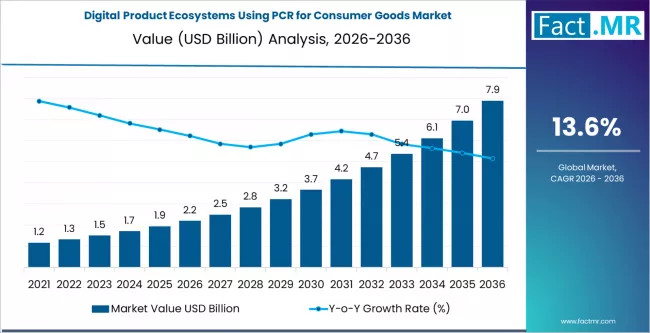
Traditional vs. Web3 Infrastructure Layers
The shift from traditional centralized models to Web3 infrastructure represents a fundamental change in how consumer ecosystems operate. Below is a comparison of the key differences between these two approaches, highlighting the evolution in data management, identity verification, and value exchange.
| Infrastructure Layer | Traditional Model | Web3 Model |
|---|---|---|
| Data | Centralized storage, high risk of single points of failure | Decentralized, user-controlled, enhanced privacy and security |
| Identity | Siloed accounts, frequent password resets, phishing risks | Self-sovereign identity, secure authentication, user ownership |
| Value Exchange | Slow, high fees, limited transparency, intermediaries required | Fast, low fees, transparent, peer-to-peer transactions |
Analyzing market shifts and trends
Consumer ecosystems are no longer static silos; they are dynamic networks where value flows between hardware, software, and service layers. Understanding these shifts requires looking beyond simple sales figures to the underlying energy and resource transfer that drives adoption. Just as energy moves through trophic levels in a biological system, capital and attention move through consumer tech layers, often with significant loss at each step if the infrastructure doesn't support efficient transfer.
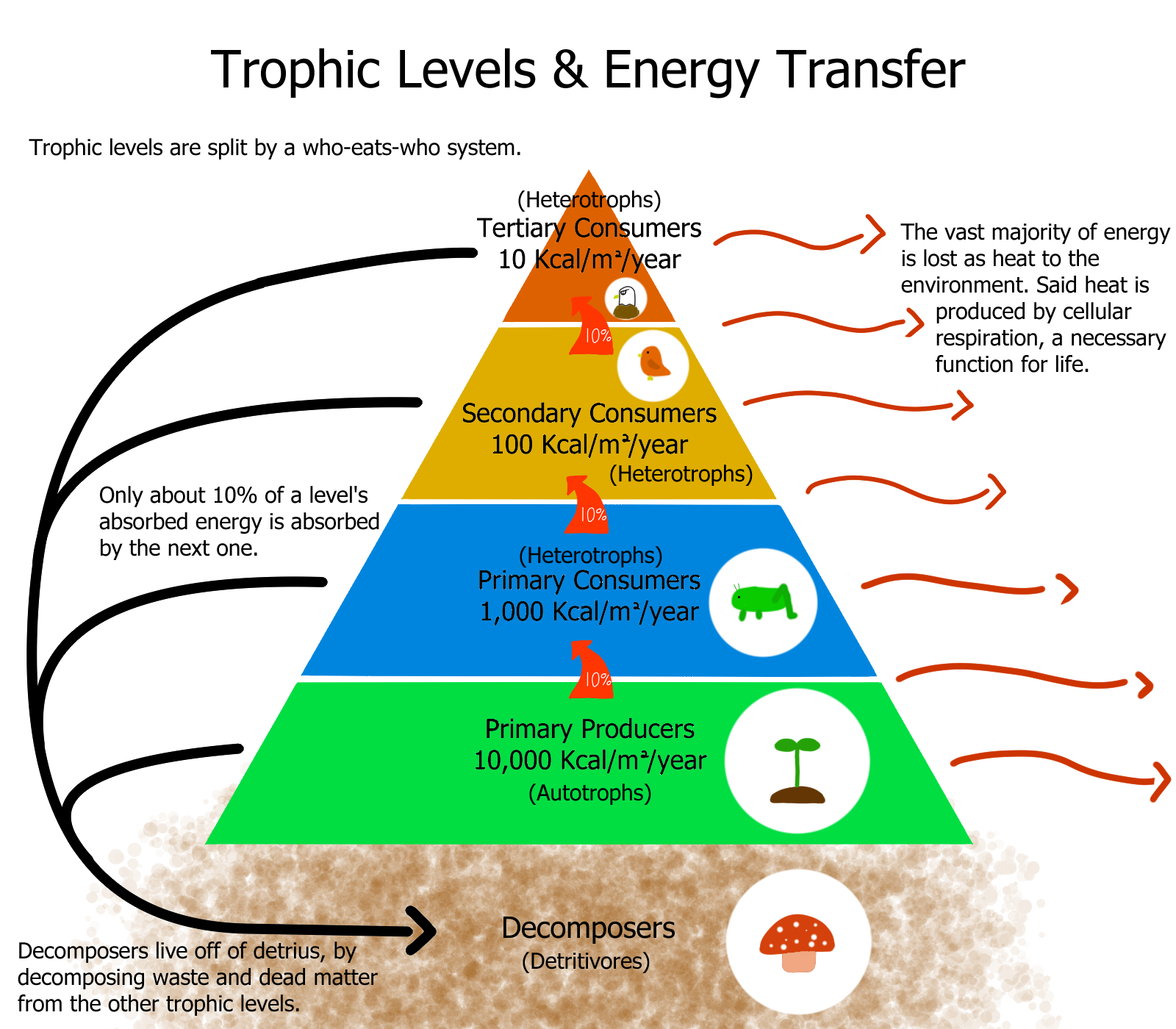
The most critical indicator of a healthy ecosystem is not just user count, but the retention of value within the network. When infrastructure fails to integrate smoothly, users fragment their behavior across competing platforms, diluting the overall market impact. This fragmentation creates risk for investors and providers alike, as the "energy" of the market dissipates rather than compounding.
To track this, we rely on provider-backed data that reflects real-time market sentiment. The following chart illustrates the recent volatility and structural shifts in the broader consumer technology index, highlighting periods where ecosystem integration succeeded or failed to capture market share.
While broad indices provide context, specific asset performance often signals deeper structural changes. A live look at key market indicators can help contextualize these shifts against broader economic pressures.
Essential tools for ecosystem strategy
You cannot manage what you cannot see. Building a consumer ecosystem strategy requires moving beyond simple sales data to understand the health and performance of your entire partner network. The right tools turn fragmented signals into a coherent map of your business environment.
Start with software designed for partner relationship management (PRM). These platforms track interactions, revenue attribution, and compliance across your channel. Without this infrastructure, you are flying blind regarding which partners drive value and which are draining resources.
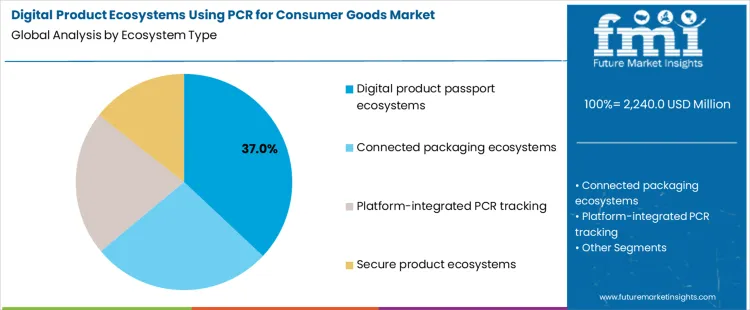
To visualize market shifts, pair your internal PRM data with external market intelligence. Tools that aggregate industry reports and competitor movements help you spot structural changes before they impact your bottom line. This combination of internal performance metrics and external trend analysis is the only way to stay ahead in a high-stakes environment.
For deeper strategic understanding, supplement your tech stack with foundational reading. The right books provide the frameworks needed to interpret complex ecosystem dynamics.


As an Amazon Associate, we may earn from qualifying purchases.
Investing in these tools and knowledge bases pays for itself by reducing risk. When you have clear visibility into your ecosystem, you can make confident decisions about where to allocate resources and how to mitigate potential disruptions.
Frequently asked: what to check next
Understanding the structure of consumer ecosystems helps clarify how value flows between providers, platforms, and users. These definitions align with network analysis frameworks used in market research to map actor relationships.
No comments yet. Be the first to share your thoughts!